Insurers should leverage technology to support wealth, health needs in Singapore: Prudential CEO
It is important to equip people with the relevant digital tools to help them stay healthier and be financially prepared.

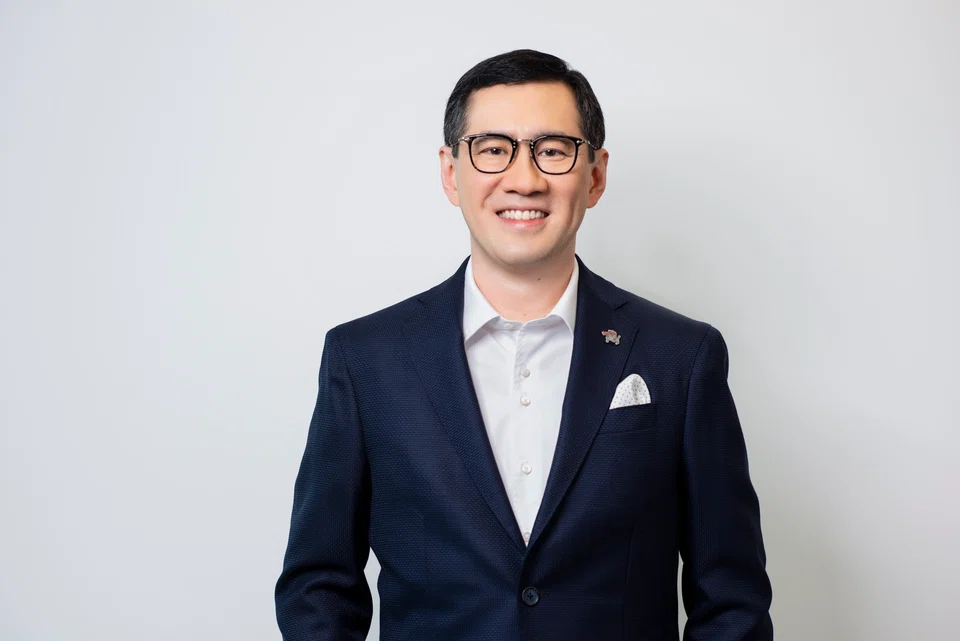
AS TECHNOLOGY permeates the financial services sector and users grow accustomed to its adoption, Prudential sees opportunities for insurers to leverage digital tools to support the needs of customers.
Doing so would allow insurers to go beyond the traditional focus of protection and move towards solutions for both health and wealth needs, especially in Singapore’s digitally savvy and ageing society.
“With rising longevity, it is essential that we take proactive measures to remain healthier and be financially prepared for a longer life,” said Dennis Tan, chief executive of Prudential Singapore.
“The wider adoption of the Internet of Things (IoT) and greater data exchange between devices will provide an even more comprehensive and accurate picture of customers’ needs,” said Tan, when asked how tech would change the industry over the next decade.
“Emerging technologies in automation will also significantly speed up decisions in insurance, whether it’s underwriting a new policy, onboarding, or approving claims, so that customers get the support they need in real-time,” he added.
Such developments allow insurers to offer better advice to customers, and could even help predict and suggest actions for customers to prevent negative health outcomes.
While the insurance industry has traditionally focused on protection, Tan said Prudential is moving towards prevention amid an ageing population and an increasing prevalence of chronic diseases including diabetes and high blood pressure.
“Digital technologies can enable us to take better care of our own health and prevent the early onset of such diseases,” he said. “When people are in good health, they are less likely to require medical care, which helps to stem healthcare inflation.”
Such developments could be important in Singapore, where more are becoming confident of their ability to live longer.


Prudential’s Digital for 100 study, published in October, found that Singapore residents were becoming increasingly confident about their ability to live to 100.
From a health perspective, 42 per cent of the respondents said they were prepared to live to 100 years old, while 54 per cent said they expected their finances to be able to fund such longevity.
More than half of the residents surveyed also said mobile devices and apps were critical tools in preparing for rising longevity.
The push for digitalisation benefits the wider population, given limited age differences in the level of proficiency for health technologies, with both young and old able to use mobile health apps to check their health, Prudential noted in its study.
Tan also believes technology can help reduce the barriers to understanding and managing financials.
“In addition to maintaining good health, we also need to be financially prepared for a longer lifespan so that we can pursue our goals without worrying about outliving our savings,” Tan said.
Many people, however, may delay financial planning as they find it complex and do not know where to start.
Prudential’s study found almost half of all respondents felt modern digital tools were getting more complex, which may hinder its wider adoption.
But Tan highlighted the importance of equipping people with the relevant digital tools to help them stay healthier and be financially prepared.
He also noted there is a shifting preference for personalised and relevant information, which can be done by using data analytics.
The benefits of technological adoption goes beyond just customer satisfaction. Tan notes it can also improve efficiencies for their staff.
“This also benefits our financial consultants, who can spend more time engaging customers and advising them on their financial needs,” Tan said.
Nevertheless, he noted that the human aspect of insurance should still remain in the industry.
Tan said: “While technology enables people to arrive at outcomes faster and easier, relationships and the human touch still matter, and insurance is still very much a people business.”
For more stories, go to bt.sg/sff2022
Decoding Asia newsletter: your guide to navigating Asia in a new global order. Sign up here to get Decoding Asia newsletter. Delivered to your inbox. Free.
Copyright SPH Media. All rights reserved.