

Lower trading fees, variety of order types, give FTX an edge
The relatively new crypto startup has been making great strides with over 1 million users
Singapore
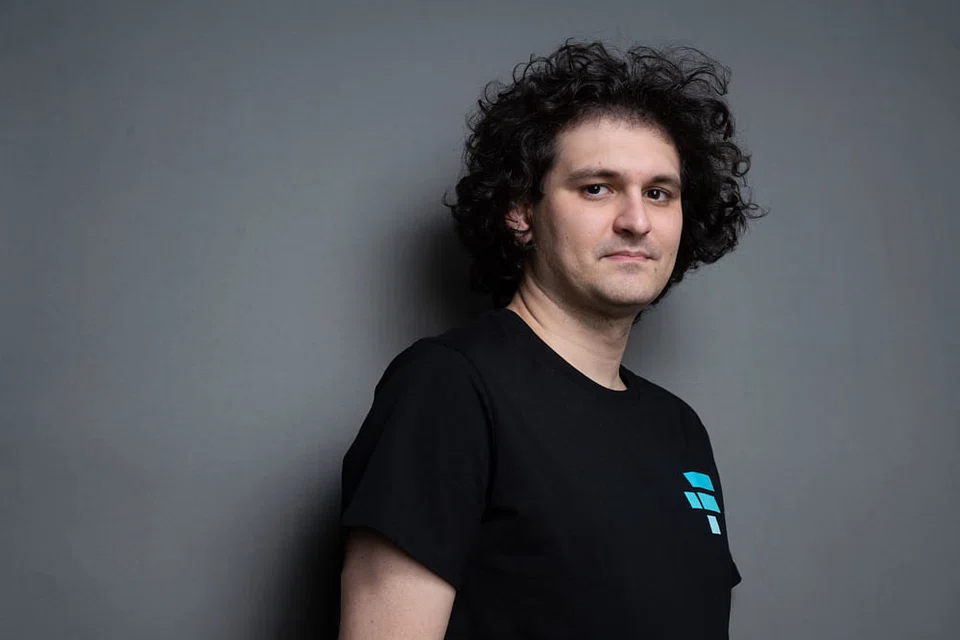
CRYPTO traders in Singapore are always on the lookout for legitimate cryptocurrency exchanges that offer convenience, and affordable trading fees. Enter Bahamian-based FTX - a centralised cryptocurrency exchange that specialises in derivatives and leveraged products.
Although the crypto startup founded in 2019 is relatively new in the space, it has been making strong headwinds with over 1 million users and averaging over US$10 billion of daily trading volume.
On Oct 21, FTX had reached a valuation of US$25 billion in a new funding round that raised just over US$420 million. Led by Ontario Teachers' Pension Plan Board, the 69 investors include Temasek and Tiger Global.
FTX co-founder and chief executive officer Sam Bankman-Fried is one of the world's wealthiest people in crypto, with a net worth of some US$13.6 billion, according to Bloomberg's billionaire index on Oct 22.
In an e-mail interview with The Business Times, Bankman-Fried said that his company's revenues have increased over tenfold this year, and 75 times since its Series A funding round closed in the middle of 2020.
He highlighted that FTX uses a tiered fee structure that charges "much lower" trading fees than most other top cryptocurrency exchanges.
"The amount you pay depends on your 30-day trading volume. It (FTX) also has a maker-taker model. You pay the taker fee on orders at the market price that are filled immediately and the maker fee on orders that aren't filled immediately," said Bankman-Fried.
FTX trading products include derivatives, options, volatility products, tokenised stocks and prediction markets.
Users can tap on spot markets in over 100 different trading pairs, such as Bitcoin and Tether; Ethereum and USDT; Ripple and USDT; and its native FTX token (FTT) and USDT.
FTX allows traders to manage their positions by offering several order methods to enter a position and exit the trade, Bankman-Fried noted.
He added: "Compared to other leveraged trading platforms, the selection of order types on FTX is excellent and will suit a variety of traders."
Asked on the plans for expansion in the Asian region, Bankman-Fried pointed out that FTX is "considering it," and that the platform is looking at "a number of jurisdictions" including Singapore.
FTX is now working through licensing processes in some of these markets.
On the varied approaches by crypto regulators in the Asian market, Bankman-Fried commented: "I think they're a step in the right direction, but very few regulators are prepared to manage a licensing regime that incorporates crypto futures."
Bankman-Fried also added that the crypto crackdown in China hasn't had a large impact on the FTX business thus far.
"I think there is a possible world where a significant fraction of all financial and social transactions happen on blockchains, and where the infrastructure supporting it (like FTX) plays a large role," he said.
Separately, in September FTX had moved its headquarters from Hong Kong to the Bahamas.
Bankman-Fried said that his company is prioritising offices in jurisdictions without travel restrictions.
He added: "We are committed to maintaining a close working relationship with local regulators to help promote the growth of crypto and we are further committing to providing all our clients with a safe, trustworthy and compliant exchange."
For all our coverage of the Singapore FinTech Festival 2021, go to bt.sg/sff2021.
Decoding Asia newsletter: your guide to navigating Asia in a new global order. Sign up here to get Decoding Asia newsletter. Delivered to your inbox. Free.
Share with us your feedback on BT's products and services
TRENDING NOW
‘My grandfather’s legacy’: Sherman Kwek lays out three-year plan for CDL to drive returns
From Haidilao to Oriental Kopi: How some of Asia’s favourite F&B players are faring in 2026
MAS allocates S$1.45 billion to five asset managers in third EQDP batch: Chee Hong Tat
Built on trust since 1964: How this award-winning finance company has grown with its SME customers

