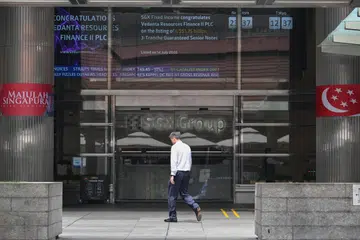
Banking with a sense of purpose
Despite being the region's leading bank, DBS is committed to the social role it was set up to play almost 50 years ago
FROM using a squirrel mascot to encourage saving to financing iconic structures such as Raffles City, DBS and POSB have played a key role in Singapore's transformation into a sophisticated metropolis. Indeed, the former Development Bank of Singapore was established in 1968 by the Singapore government with the mission of supporting the economic growth of the then-fledgling city-state.
With that goal in mind, it helped accelerate Singapore's industrialisation efforts in the decades following independence by funding businesses and supporting the growth of new industries.
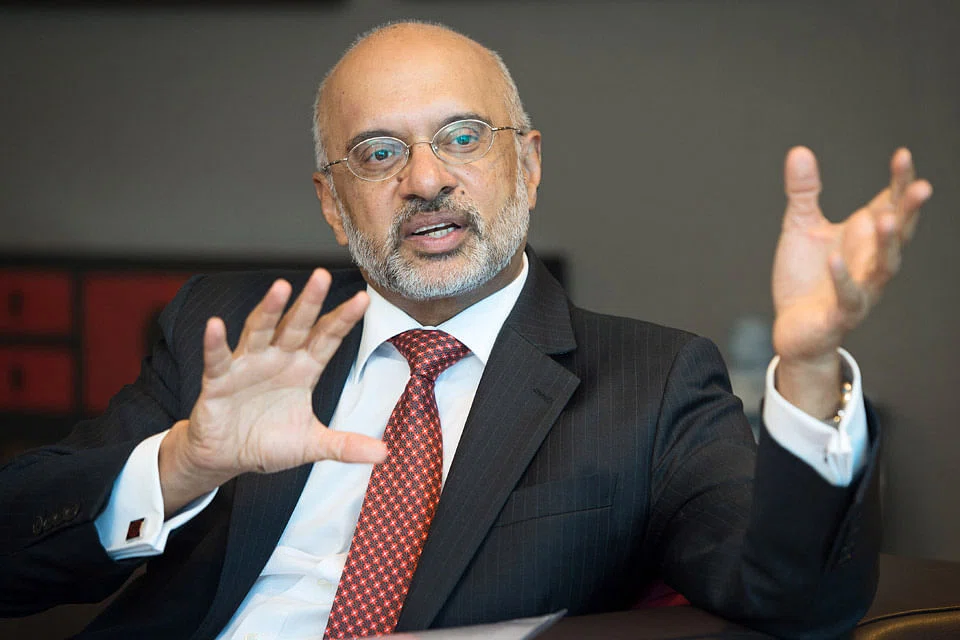
"The developmental nature of the DBS franchise has been paramount. We have financed many SMEs, and been involved in large transactions that supported the corporate sector in the 1970s and 1980s," says Piyush Gupta, DBS Bank CEO.
"At the other end of the scale we have POSB, which has truly been a bank for the masses for 135 years. It helped Singaporeans develop a sense of thrift and responsibility when it came to their money."
Since then, DBS has grown in lock-step with Singapore; both bank and nation are now leading players punching way above their weight class on a global stage. The bank has made several acquisitions - including its merger with POSB in 1998 - over the years to extend its reach and bolster its capabilities, transforming it into a regional financial institution in the process.
Today, DBS is the largest bank in South-east Asia and has established a prominent presence in Greater China and South Asia. The bank also has operations in Japan, South Korea, the UAE, Britain and the United States to facilitate business and investment flows into Asia. As a regional player, it has helped Singapore-based enterprises on their own internationalisation journey, supporting their ventures into large markets such as India and China.
Despite its status as an industry leader at the cutting edge of Asia's financial services industry, it has never lost sight of its original social mandate to help Singapore's development. This ongoing mission is encapsulated in one of the bank's core values: Purpose.
"Core to the value system of DBS has always been our strong sense of purpose; a social agenda and consciousness. This is deeply rooted in our DNA, being a part of Singapore's history and playing a role in its transformation into one of the world's top financial hubs," says Mr Gupta.
This sense of purpose is probably best demonstrated at POSB, popularly known as Singapore's neighbourhood bank. Serving some 4.5 million customers, many of them loss making, POSB has positioned itself as the country's neighbourhood bank.
Earlier this year, POSB revived its National School Savings Campaign which was first launched in 1969, bringing a digital twist to the savings stamps that were the hallmark of that first effort.
DBS is also committed to helping Singaporeans realise their entrepreneurial ambitions. It recently launched DBS BusinessClass, an online platform that connects SMEs to the brightest business minds in Asia and around the world. Entrepreneurs can consult industry experts, investors, fellow entrepreneurs and DBS SME Specialists through a mobile app.
In addition, in 2014, the bank established a S$50 million DBS Foundation to support social enterprises, and has donated S$25 million to the National Gallery Singapore.
Making a social impact
DBS' sense of social responsibility is part of a larger trend sweeping the corporate world globally, as businesses move away from just focusing on shareholder value and consider their impact on the rest of society.
"We believe in creating an impact beyond banking and playing a purposeful, positive role in the communities where we operate," says Mr Gupta, who took over the reins at DBS in 2009.
This philosophy aligns well with some of the older employees at DBS, who still remember the days when it played an instrumental role in the development of Singapore, as well as younger millennials who want jobs that allow them to fulfil their desire to give back to society.
"When we did our internal employee exercise, the overarching message that came back was that they identified DBS as a place that does real things for real people with a sense of purpose," reveals Mr Gupta.
If its track record is anything to go by, DBS has proven that being socially responsible does not mean sacrificing commercial success. Over the past five years, the bank has doubled its earnings and increased income by almost 50 per cent despite a sluggish global economy. Last year, its full-year profit crossed the S$4 billion-mark for the first time.
For its achievements, DBS has been frequently honoured by the industry. In recent years, it has been named "Asia's Best Bank" by The Banker, a member of the Financial Times group, and "Best Bank in Asia-Pacific" by New York-based magazine Global Finance.
Mr Gupta puts the bank's success down to several key factors: a great platform, a solid brand and a pedigreed ownership. He also recognises the high quality of DBS' board and its effective relationship with senior management.
With the blessing of the board, DBS has in recent years fostered a more entrepreneurial mindset among its employees - one that encourages risk-taking and accepts failure as an acceptable consequence of innovation.
While he acknowledges the risks of such a strategy, Mr Gupta also recognises its necessity in a fast-changing and uncertain landscape. Indeed, it is a strategy that Singapore has adopted with much success over the past 50 years. On his outlook for Singapore, he says: "We need to be continuously thinking about the future, but we have a couple of advantages. Singapore, like DBS, is like Goldilocks; we are big enough to matter but small enough to be nimble."