

Critical to have Business Continuity Plans in place
THIS WEEK'S TOPIC: As businesses do their part to help contain the spread of the Wuhan coronavirus, how might they strike the right balance between "business as usual" and taking care of the risks?
THIS WEEK'S TOPIC: As businesses do their part to help contain the spread of the Wuhan coronavirus, how might they strike the right balance between "business as usual" and taking care of the risks?
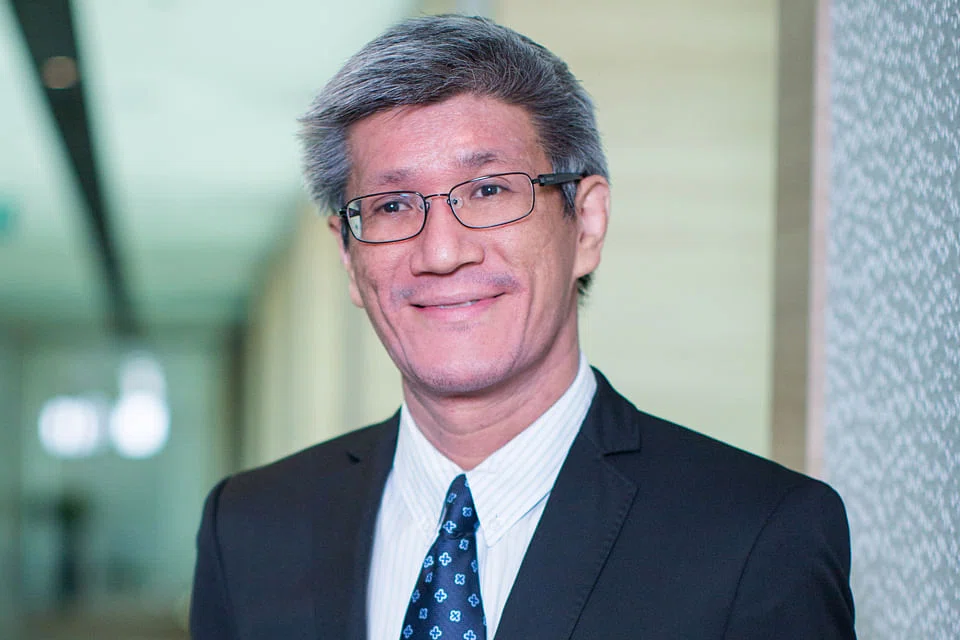
Cheung Pui Yuen Chief Executive Officer Deloitte Singapore
Reacting at the moment a crisis happens often proves to be too late. It is crucial that businesses are seen to be proactive and in control when a crisis happens.
This can be achieved by putting in place a robust business continuity and crisis management plan that covers not only areas of business operations, but also personnel welfare. The process of putting together this plan will strongly motivate business leaders to think through the various scenarios and facets of a crisis and formulate their response in a 'safe' environment. This will come in handy when a real crisis hits.
Business leaders should keep abreast of developments in the crisis, have situational awareness of how it affects their businesses, employees and customers, make timely decisions and communicate transparently. It is important to remember that it is not the crisis, but their reaction to it, which will impact their brand and reputation.
Chris Burton Managing Director, South East Asia Vistra Group
Business has changed seismically in just a few days over Chinese New Year. Business trips and marketing events are being cancelled, face-to-face meetings reduced, and anxiety in the community in Singapore is high. It feels like the SARS crisis all over again. Sadly, it seems the economic impact will be similar to the last time. Businesses need to follow guidelines set by the government for the safety of their staff and local community. But they should adapt only tactically to this unexpected short-term decline and try to avoid taking draconian longer-term measures: instead, redeploy any spare capacity into other projects while we go through the dip. SARS in the end was a short-term phenomenon: in six months' time, this latest crisis may be just a distant memory.
Victor Mills Chief Executive Singapore International Chamber of Commerce
The Wuhan coronavirus is a business risk which each business and each team member must manage. Life and business must and will continue. Business leaders need to set the tone. There is no need to panic but there is every need to ensure business continuity plans are reviewed, updated, clearly communicated and implemented. The most important thing for individuals is to behave responsibly. Follow the clear recommendations of the Ministry of Health. If you are ill, see a doctor and follow the doctor's orders. To manage the risk of fake news, subscribe to the gov.sg WhatsApp group to keep fully informed.
Dileep Nair Independent Director Thakral Corporation Limited
All businesses involve risk-taking. Prudent businesses ensure that the risks taken are calculated, not random gambles, and mitigated where possible. This involves having in place Business Continuity Plans and taking out Business Interruption Insurance. As the Wuhan coronavirus spreads, companies with links in China will be affected, especially those with operations, supply chains or markets there. Top priority for companies should be the welfare of staff and their families, ensuring their health and safety. At the same time, non-essential travel to China should be minimised as well as physical interaction with business associates from China. Most importantly, top management must keep itself well informed of changes in the ground situation in order to take decisive preemptive action as and when needed.
John Bittleston Founder and Chair Terrific Mentors International Pte Ltd
Business is going to have to get used to occasional outbreaks of dangerous virus epidemics. Our more densely populated planet creates environments where these flourish. We will know if it is to become a pandemic in the next three months. In the meantime, business should continue as usual. Cleanliness starts with handwashing done properly. Catering outlets and inhouse services are still lax about this. Thorough personal handwashing by everyone will prevent escalation of the virus. Fast-moving consumer products distributors and retailers should stock up against some panic buying. It is probably going to happen sooner or later.
Callum Laing Chief Executive Officer MBH Corporation PLC
Whilst no one would wish a crisis of any kind, and not wanting to minimise the personal impact and tragedy of the situation, the prepared enterprise will see this as an opportunity. Often it is small businesses that are able to adapt quickly to these changing circumstances more effectively than big businesses. For example, many companies have been thinking about remote working but maybe haven't had the necessary push to make it happen yet. This coronavirus outbreak could provide the perfect excuse to keep employees at home whilst figuring out how to give them access to the tools they need to still be productive.
Mario Singh CEO Fullerton Markets
The chief priority in balancing the scales of ''business as usual'' and ''taking care of the risks'' must lie in the personal safety of every individual within the organisation. This takes precedence over everything else.
As an example, if ''business as usual'' entails making trips to China to meet clients or vendors and putting staff at risk, then business owners have to think of alternative initiatives without the physical meet-up.
In our company, we had to make a tough but necessary decision to postpone our annual conference and gala dinner which normally draws partners from 30 countries. This is a responsible measure to ensure that communal activities aren't carried out as safety remains a top concern.
Our Human Resource department has also sent out notices to all staff reminding them to take extra precaution on personal hygiene matters and to ensure that all offices are disinfected after every group meeting.
Christina Teo Executive Director Singapore Association of Pharmaceutical Industries (SAPI)
The Singapore Association of Pharmaceutical Industries (SAPI) is actively monitoring the developments regarding the new coronavirus in Singapore, and we are strongly encouraging our member companies to follow government guidance. SAPI has full confidence in Singapore's efforts to manage the situation, and the establishment of a multi-agency taskforce and the stepping up of precautionary measures will do much to shore up business sentiment. As an industry body, we stand in support of the Singapore government and are working closely with our government agency, healthcare provider, distributor and retail partners to ensure a robust supply chain and consistent availability of medicines and vaccines.
Andrew McNeilis Managing Director, APAC Selby Jennings
In the light of escalating concerns surrounding the Wuhan coronavirus, cautionary measures have been adopted by employers to safeguard the health and well-being of staff. Global banks in Hong Kong for instance, have called for employees to work from home and temporarily suspended business travel to China.
Unlike SARS in 2003, business operations today should not be as disrupted, thanks in part to the advancement of technology which has led to better working connectivity.
Employers today can arrange for remote communications and promote flexible work conditions.
While operating ''business as usual'' is important, companies have a duty towards protecting employees against health risks. Employers can provide guidance on hygiene by giving face masks and encourage employees to see a doctor if they are unwell. Apart from paying close attention to announcements by government agencies, it is key to continue supporting employees by adopting alternative work arrangements in response to changing developments.
Joanne Wong Senior Regional Director, APJ LogRhythm
Speed is everything in times like this. We have since taken precautionary measures by giving out masks to our employees and advising against unnecessary travel. We have also adopted flexible work arrangements such as telecommuting to ensure regular, consistent communication. We can also do our part by heightening the awareness around the spreading of falsehoods. Given the risks around content misappropriation and cyberattacks on digital platforms, we need to be more critical of content received on digital platforms (eg instant messaging apps and social media) and keep ourselves abreast of accurate, verified news. Most importantly, we need to stay united in order for us to overcome this together.
Andrew Tan Managing Director, Singapore JOS
The coronavirus outbreak has reinforced how the business landscape is susceptible to environmental changes. To attain operational resiliency, businesses should be well-equipped with a sound risk management framework and business continuity plan (BCP).
It is rational to incorporate risk management measures like travel restrictions and leveraging technologies to accommodate flexible working arrangements such as working remotely instead of face-to-face meetings. Organisations should assess their critical infrastructure and integrate disaster recovery and risk mitigation in their BCP.
As partner ecosystems and IT environments get increasingly integrated, more potential vulnerabilities arise. Hence, businesses need to include stakeholders like partners, vendors and customers in their BCP to ensure their readiness in any eventuality. Organisations should also review their risk management and BCP regularly.
Sudhir Agarwal Chief Executive Officer Everise
Being a people-first organisation, our responsibility to our employees is paramount. And, as a global leader in delivering health and wellness customer experiences, we truly understand the importance of delivering timely, accurate information in a compassionate way. One of our strategies to ''striking the right balance'' has been the creation of a decentralised task force of leaders around the globe that enables us to quickly plan and respond to these events - the ongoing Taal Volcano eruption and Hurricane Dorian are recent examples where this was extremely effective. In this case, we are closely monitoring and following government advisories as they are issued and evaluating additional measures as new information arises.
Kelvin Chen CEO & Founder Kent Ridge Health
On Jan 28 in China, the number of coronavirus cases surged from 2,887 to 4,515 , an increase of 56 per cent in a single day, and deaths increased 29 per cent to 106. At KRH, we had some 500,000 patient visits using our myEUDA app for triage and telemedicine in 2019. The past week we've seen an increase in users calling in suspecting they have the relevant symptoms. Our medical team is working around the clock to diagnose anxious patients and to refer suspected cases to the CDC for quarantine. In such times when there is widespread panic, myEUDA works hand-in-hand with the public systems diverting non-critical patients to other ancillary healthcare institutions to balance the load at hospitals. We advise our users who have a fever not to panic but to do a quick triage via our myEUDA app to check their symptoms before proceeding to the hospital.
Helen Ng Chief Executive Officer Lock+Store
All businesses should have a robust business continuity plan that covers outbreaks of infectious diseases. Should the Ministry of Health assess the impact on public health to be high (for example, by raising the DORSCON framework alert to orange or red), our staff can work from home and continue to support the business online. Customers who are feeling unwell should avoid visiting their storage units and seek medical attention. There would not be a significant disruption to our day-to-day operations as the self-storage industry is increasingly moving towards self-service automation. During this period, it is important for businesses to seek guidance from official sources and prioritise public health and safety at all times.
Tomas O'Farrell Co-Founder Workana
The Wuhan coronavirus has been an unfortunate event this year that we hope governments and the medical community can contain and eliminate quickly. For organisations operating regionally and internationally, it is important to take precautions by reinforcing rules regarding staying out of the office when ill and reducing travel in affected areas for meetings. Businesses with remote teams should also take special care to ensure that these workers are unaffected, and that freelance help can be acquired quickly to maintain continuity should an employee fall ill. With the digital tools available today to enable people to work from anywhere, companies can devise contingency plans to continue business as usual regardless of the risks.
Vikas Nahata Co-Founder and Executive Chairman Validus Capital
As with any business, the health and safety of our team is of paramount importance. In light of the Wuhan coronavirus, we've ensured that prevention guidelines are shared and posted around the office, hand sanitisers are readily available, and that any information and updates are communicated in a timely manner. In addition, we've mandated a two-week ''work from home'' policy for those who have visited China. By implementing these simple precautionary measures and promoting good personal hygiene practices in the office, businesses can easily manage health and safety risks without impacting productivity, and continue to ensure a safe and healthy work environment for all employees.
Lee Quane Regional Director - Asia ECA International
Striking the right balance can be tricky for businesses, especially when faced with a virus that made a significant economic impact globally within a matter of days. Containment and prevention should nonetheless be of utmost priority, and temporary business closures in areas hardest hit are warranted to ensure employees' safety.
Businesses should implement flexible and/or remote working arrangements for employees in light of the situation - shielding them from the health risk while ensuring operations run as per normal. As the crisis may eventually worsen, companies need to stay on top of developments and do all they can to mitigate the impact of disruption. Although the virus is beyond their control, companies still have access to options to help safeguard the smooth running of business.
Lance Little MD, Asia Pacific Roche Diagnostics
Infectious diseases have become one of the most pressing public health concerns, creating a new reality for the world we live in. The rapid deployment of tools, including the use of diagnostic testing, is key to preventing these diseases from becoming full-blown pandemics. While such situations create increased demand for diagnostic tests and equipment, they put added pressure on our lab customers to quickly deliver results, and highlight the absolute fundamental role that diagnostics plays as a key pillar of effective healthcare.
Currently, our field engineers are working around the clock, across the region, to ensure all services critical to the functioning of our partner laboratories continue unabated. This puts our engineers at the epicentre of an already escalating situation, and makes their safety and wellbeing our foremost concern. To do their jobs effectively and with minimal risk, we have provided them with protective gear. Non-essential field visits and travel to China have been temporarily suspended. All employees have been given face masks, provided with health information and encouraged to work remotely, as necessary.
We remain committed in our endeavour to address the world's most challenging healthcare emergencies. In response to the latest outbreak, and to support local health authorities and those at the frontlines of care, we have launched a test that can quickly and accurately detect the coronavirus.
Anil Chugani Country Manager Fitness First Singapore
Cleanliness has always been a high priority in our business. Given the current situation, this has become even more critical not just for our people, but for our nation.
This starts with educating our employees on the evolving situation, especially those at the frontline. In addition to the staff briefings to underscore the importance of adhering to the health advisories issued by MOH, we've also implemented mandatory travel declarations for employees who have been to China recently. In our clubs, we have increased the frequency of cleaning and sanitising of all equipment and spaces, as well as making more hand sanitisers and anti-bacterial sprays available for both staff and members' use.
We are closely monitoring the developments of the situation, and stepping up information and updates to address members' concerns in real time.
Tan Mui Huat President and CEO, Asia International SOS
Plan for the worst and hope for the best. Planning and preparation for the worst case scenario is critical. A pandemic is not just a health issue - the response so far, eg the restriction of movement and travel, has caused major disruption to operations and therefore business continuity.
Some of the measures we have been sharing with our clients include education and communications and ensuring people have access to the most up-to-date verified information. We have created a website, which is open to the public, that provides updates on the situation. We are constantly compiling and validating first-hand information from our medical and security teams on the ground in China and globally.
Businesses need to build up their crisis management teams and meet regularly to review their travel management plans with the potential for travel disruption or risk of imposed quarantine; pandemic plans, protective equipment and cleaning protocols. Businesses should also look at potential scenarios with regard to the spread of the disease, its impact and severity, and its consequences on their business continuity and resilience.
We expect further developments in the coming weeks. With the right planning and measures, businesses will be in the best position to respond and protect their people and business.
Chong-Win Lee Chief Executive Officer Logicalis Asia
In the light of a potential pandemic, it is critical to focus on containment and businesses need to play an active role in heightening awareness, encouraging best practices and implementing them. Corporate collaboration and communication mediums can be leveraged to help educate employees. At Logicalis, in line with government advisories, we have implemented active measures, including travel restrictions to and within China. Employee travel declarations are gathered and those returning from China are asked to closely monitor themselves for 14 days for symptoms. Flexible work arrangements are available during this time. We continually leverage technology to create a workplace environment that is flexible and not office-bound. Using advanced collaboration solutions, cloud technology and virtual desktops, our employees remain productive even while away from the office. Our video-enabled meeting solutions facilitate multi-country immersive meetings without the need for travel, thus reducing both our carbon footprint and the risk of exposure during this time. This enables us to minimise service disruption to our customers while keeping our employees safe.
Kong Chee Min Chief Executive Officer Centurion Corporation Ltd
As an ongoing management practice, Centurion Corporation has put in place and regularly exercise our Business Continuity Plans, including a Pandemic Management Plan. So we are prepared in such circumstances to implement measures to manage risks to our properties and people, while minimising disruption to operations.
Risk assessment is important to ensure we respond appropriately. In Singapore, while we house over 27,000 foreign worker residents in five Westlite accommodations, only 1,267 are from mainland China, of whom 135 had returned home for Chinese New Year.
Nonetheless, we acted promptly with preventative measures initiated before the Chinese New Year. We continue to be vigilant, to closely monitor and stay ahead of developments.
Dolly Goh Chief Executive Officer Singapore National Co-operative Federation (SNCF)
This is the second time that Singapore is confronted with a new strain of coronavirus that has crossed species and infected humans. We cannot allow the risks to paralyse our daily lives. Businesses need to encourage staff to maintain high standards of personal hygiene and social responsibility - especially for sectors and co-operatives where customer interface is a daily occurrence. It is important that businesses have a pandemic readiness and response plan in place such as stepping up workplace cleanliness and having flexible work arrangements, to ensure business continuity and well-being of their staff. However, in my opinion, the best weapon against coronavirus is timely knowledge. Therefore, it is crucial that businesses stay abreast of the developments in order to respond appropriately to protect and minimise risks.
Sanjay K Deshmukh VP and MD, Southeast Asia and Korea VMware
Telecommuting and flexible work arrangements are critical steps businesses must take to safeguard the well-being of employees during difficult times like this. A digitally enabled workforce that is able to work from any location from any device will ensure businesses continue running at maximum efficiency even when the majority of the workforce works remotely.
Such organisational agility can only be achieved if businesses harness technology to deliver a Digital Workspace that empowers every employee, no matter their role, with digital tools that give them secure and seamless access to all the business applications and services they need to remain productive - anytime and anywhere.
Lucien Mounier Head of Asia Pacific Beazley
The coronavirus can be considered as a low frequency but high severity risk which has the potential to cripple organisations and affect the physical and mental health of their employees. Business leaders should continually assess critical risks and build readiness within their company to maximise their resilience and minimise impact - in this case the spread of the disease.
While it is business as usual for most organisations in Singapore, companies should avoid knee-jerk reactions and proactively implement and update their business continuity plans in the face of an evolving risk landscape. Enabling flexible working arrangements, permitting remote access into corporate systems for employees to work from home, and communicating health and safety measures are efficient measures to improve resilience and curb anxiety and fears of a risk such as the one we currently face.
Jayaprakash Jagateesan Chief Executive Officer RHT Fintech Holdings
We occasionally face untoward circumstances. Risk management is key to any successful business and proactive steps to minimise the impact of risks, including a virus outbreak, is actually ''business as usual''.
While the impact can range from slight to severe depending on the industry or a business' geographic locations, the key responsibility for management is to be prepared to protect staff from such risks.
Beyond providing a safe work environment, with plenty of hand sanitisers and face masks available, technology and trust are needed to enable staff to work from home effectively as a precautionary measure. Under current circumstances, proactive precautionary measures will help reassure staff as they continue to serve clients as usual.
Peter Yu Vice President ZALL SMARTCOM
At ZALL Group, we define sustainable development as the means to achieve profitable and long-term growth that is well-aligned with our corporate values - active, persistent, steady, and credible contributor towards sustainable development of good health and well-being of society. In the face of the crisis brought on by the Wuhan coronavirus outbreak worldwide, ZALL has proactively led the charge to provide humanitarian aid to the people of Hubei and Wuhan. We have deepened that commitment by being the first company to respond to the severe shortage of medical resources in the city by flying in emergency supplies within 48 hours of the Wuhan lockdown, tapping our global end-to-end supply chain networks and resources in Asia.
Chia Ngiang Hong President Real Estate Developers' Association of Singapore (REDAS)
Striking the right balance between ''business as usual'' and ''taking care of the risks'' requires a clear and accurate understanding of the ''enemy'' we are facing. It is good that Ministry of Health and various ministries/agencies are closely tracking developments of the threat, the risks it poses and its severity level, and updating businesses and the public continually. Depending on the nature of the risk and risk alert level advised by MOH, businesses should implement business continuity plans and adopt commensurate measures. It is commendable that Enterprise Singapore (supported by Singapore Business Federation) and many TACs too are preparing business continuity guides which firms can refer to when developing their own business continuity plans suited for their type of business under the different scenarios. These would likely include taking precautionary health measures, minimising unnecessary travel and contact, working from home, flexible work arrangements, fragmented teams at work and even complete stoppage of non-essential operations when transmission risk and lethality are very high.
Hari V Krishnan CEO & MD PropertyGuru Group
Businesses need to remember that they remain part of the society and they need to show ownership and responsibility to do their part. The governments of many impacted countries have taken swift action and put in place guidelines that are geared to contain the spread of coronavirus and their efforts are commendable. Similarly, all businesses must take serious and swift action as ensuring the health and safety of employees must be the ethos on which any successful business runs. Taking a cue from Ministry of Health notices, PropertyGuru has implemented a number of actions for the wellbeing of our over 1,200 employees in Southeast Asia. These include educating all employees about the virus, mandatory travel declaration and implementing the government advisory on those who have travelled to/has visitors from China. We have also cancelled our company offsite that was scheduled for February in Vietnam as well as our business event for clients in March. To prevent the spread of such epidemics, big exceptions need to be made to ''business as usual'', even if there are financial implications.
Veronica Shim Founder and CEO Envysion Wealth Management
To ensure that businesses maintain continuity, it is critical to take appropriate measures to mitigate the potential fallout. This includes having Business Continuity Plans in place, an IT infrastructure that can support flexible working arrangements, reducing non-essential travel to countries with virus outbreaks, and most importantly, ensuring employee well-being. On the business front, companies should negotiate to reduce overhead costs and engage with the relevant authorities on key measures to take and ensure minimal disruptions to supply chains. Companies should also set up a dedicated website to support ongoing client services to avoid any significant disruption. A company that displays its ability to take care of its staff and customers at such critical moments will emerge much stronger once this coronavirus is brought under control.
Emma Smith Chief Executive Officer Sandpiper Communications
The number of confirmed cases of the Wuhan virus has now surpassed those of SARS, but its economic and social impact is as yet unclear. Lessons from SARS have been learnt with China, as well as Singapore, imposing travel bans and quarantines, and sharing safety advice widely. Along with the necessary economic impact of these measures, trust and confidence in public health efforts and combating misinformation are vital to reassure consumers and the business community. The World Bank estimated that the impact of SARS on GDP was US$13 billion across China, Hong Kong, Singapore and Taiwan, but the impact was short-lived. Containment, effective communication and reassurance will be essential to minimise the economic impact, while protecting people.
Tan Sian Wee Co-Founder, Executive Director Finaxar
Proper education of all employees and adherence to protocol is the key. The last thing you want is someone in your company being Patient Zero. We have a responsibility as business owners to make sure all employees are equipped and take precautions during this time, especially when travelling - buying hand sanitisers and surgical masks for office use; making sure they stay home when ill and see the doctor especially if they have breathing problems and fever. Employees are the most valuable asset to a business. Time to make liberal use of videoconferencing in place of face-to-face meetings.
Ronak Shah Chief Executive Officer QBE Insurance (Singapore) Pte Ltd | Asia
In the face of health crises, it's important to adopt pragmatism and conscientiousness. Businesses with operations closer to the virus' epicentre must look into adopting precautionary measures and implementing business continuity plans as needed. We are already seeing some companies with operations in China temporarily halt work or cease business travel. Meanwhile, businesses are continuing to monitor the situation and take proactive measures to protect the health and welfare of their employees. Individuals, on their part, need to remain alert and practise good personal hygiene on a daily basis. Beyond the corporate level, guidance and support from ministries and government bodies will also help. Enterprise Singapore's plans to launch a Business Continuity Guide on dealing with pandemics such as the Wuhan coronavirus is a good example of this.
Toby Koh Group MD Ademco Security Group
This coronavirus outbreak is yet another reminder for all business owners to rethink their efforts on Business Continuity Planning (BCP). Do you have a pandemic plan in place? Do your vendors and partners have BCP thought out? The Singapore government has been encouraging companies to invest in BCP and disaster recovery planning. But why has the adoption of BCP been so low? It is imperative that companies use BCP to protect employees, their families, customers, stakeholders and shareholders.
Ademco has been certified under the ISO22301 BCP standards for years because we feel it is a vital part of fulfilling the trust that our customers and staff have in us. It is not easy and we have invested hundreds of thousands of dollars to achieve this level of preparedness. It is not foolproof either. But we want to be as ready as we possibly can in any situation. I urge all business owners to protect their companies and their hard work.
Joon Aun Ooi President and MD, SE Asia and Pacific Rim Wyndham Hotels and Resorts
It is important that as an industry, the travel and tourism sector must play a key role in preventing the spread of the virus. As we continue to welcome international arrivals, we must remain extra vigilant and place the safety of our team members, guests, and partners as our top priority.
We are monitoring the situation very closely. Our hotels have been briefed on the protocols for any suspected cases and are implementing controls to mitigate any potential escalations. Over in Greater China, we have distributed masks, hand sanitisers and disinfectants to affected hotels to be distributed to employees, guests and members of the community. Additionally, guests travelling to or from China with direct bookings for stays in any of our hotels from Jan 22 through Feb 29 will have their cancellation or change penalties waived. Our thoughts and prayers are with China and those affected by this viral outbreak and we hope to see a medical breakthrough soon.
leLainya Koutereba Managing Director Otis Southeast Asia and Singapore
Nothing is more important to Otis than the safety of our employees, customers and the people who rely on our products and services every day. We are always focusing on employee engagement and two-way communication, which is particularly vital in this climate. While we actively monitor and share the latest health alerts with our employees, we're also encouraging feedback so that we can address the specific concerns of our people. We have equipped all our employees, including field professionals, with masks and sanitisers. We are leveraging technology to ensure business continuity, with office-based employees permitted to work from home and minimised overseas travel.
Leonard Cheong Managing Director AdNovum Singapore
Today's digital economy - where businesses operate with higher growth and productivity - will definitely cope better with the current Wuhan coronavirus epidemic, compared to the SARS outbreak in 2003. Companies should however remain focused on securing their systems so as to prevent cyberattacks that will likely see an increase during this crisis.
Companies also play a critical role in preventing the spread of the virus by allowing flexible work arrangements for employees with symptoms of being infected or who have recently visited places with confirmed cases. They should also ensure that sufficient masks and sanitisers are available and distributed in workplaces.
David Leong Managing Director PeopleWorldwide Consulting Pte Ltd
Containment is the key plank in the fight against this contagion. Wuhan has been isolated and this is the first-level firewall. PeopleWorldwide is in the business of employment and recruitment. The migratory workforce from China in Singapore is a huge challenge. Risks arise from multiple fronts - new hires coming into Singapore and those who return from home leave in China. The risks need to be mitigated through segregation for the arriving new hires and returnees from home leave. They need to be quarantined for 14 days before reporting to work. Certain groups of workers need to be placed to back-of-house operations to refrain from public intermingling.
Work and businesses must go on and cannot be crippled with fear as we are fighting an invisible force. Different layers of firewalls and hygiene practices must be in place to keep the risk low. It's all about managing the risks in this containment fight against 2019-nCov.
Edmund Lee Managing Director Singapore TMF Group
For TMF Group, we're taking the necessary steps to manage risks through contingency plans and protocols to ensure the well-being of our staff. We firmly believe in taking care of our employees, so that in turn, they can take care of our clients. In this case, flexible work-from-home arrangements, voluntary quarantine measures, and a safe and comfortable work environment are critical to ensuring quality service delivery. For those staff choosing to work in office, we are also arranging surgical masks and hand sanitisers.
Lim Soon Hock Managing Director PLAN-B ICAG
Prevention is always better than cure. An old adage, but it must take precedence and guide businesses in making the right decision, which is never easy, especially when it adversely affects the business with potential loss or viability is at stake.
Companies must give priority to the welfare and safety of employees, even if it means losing a business. If travel to Wuhan or China is a must, after exploring all other options, it should be kept to the shortest possible, and all necessary precautions are taken. Companies also have the social responsibility of ensuring that employees do not get infected and become carriers of the coronavirus to spread the contagion to the larger community.
Government's recent announcement of a support package to help companies affected by the Wuhan coronavirus should make it easier for businesses to make the call on travel to affected countries, in particular to Wuhan in China.
Maren Schweizer Director Schweizer World Pte Ltd
It's important to take action now. As we face a very dynamic environment in this matter, it's of utmost importance to pilot our companies by following established risk management procedures first. In parallel, we review, test, and potentially update critical plans related to business continuity, employee wellbeing, risk management, and crisis communication.
Avoiding confusion or even panic among stakeholders is crucial. We have learned from past challenges that turning off the fan is the first key to crisis management.
Step back, don't fuel the fire, put yourself in the shoes of your stakeholders. While full message development must await the outcome of the risk assessment, ''holding statement'' messages designed for use immediately after a crisis breaks have proven to be the right move.
Henry Tan Group CEO Nexia TS Group
Businesses will be impacted in varying degrees by the Wuhan coronavirus outbreak; some will be at the frontline of this fight and some will be affected as travellers curtail their travels. Businesses can heed the government's recommended measures and take necessary precautions to help containment - for example, implement procedures on staff returning from China; minimise travel to China and affected countries; and maintain personal hygiene. Other than that, businesses should remain positive and continue business as usual and encourage business activities. Businesses can also provide necessary advisories and information and make definite plans so that there is less uncertainty and ambiguity. People panic when there is lack of information and trust. We will do our part to build trust and transparency together with the rest of the business community and the government, and stand united for this fight.
Johnson Chng Managing Partner (Asia) QVARTZ
This is the time to help management take a good look at what's important for the long term (that you can take a pause from the current situation) versus those needed to get done in the near term that you need to balance between risks and 'business as usual' (that can still be done with smart use of technology to avoid or minimise human contact). The outbreak will not last forever (lessons learnt from SARS) so we need to be prepared to spring back into action in the next few months while staying agile for now.
TRENDING NOW

Ex-Nvidia CEO Jensen Huang carried a secret for more than a year. It led to his downfall

South-east Asia has lost Nvidia’s best salesman

Demand, tech capabilities position Apac and AI as Skyscanner’s next growth frontiers: CEO Bryan Batista

Jensen Huang discusses comeback as Nvidia CEO with allies: report

