

Crossing borders quickly and safely
Government agencies are employing new solutions to balance the need for both speed and security in cross-border movement.
AS BARRIERS to trade continue to tumble and the flow of people and goods across borders quickens, governments are looking to smoothen the process of cross-border movement while ensuring that security is not compromised. As such, border management and customs agencies around the world are working towards simplifying the processes and reduce costs for cross-border trade to bolster the economic attractiveness of their countries.
There is also a significant cost linked to delays in moving goods across borders. At the US-Mexico border, delays in freight movements in 2006 was estimated to result in US$6 billion worth of economic losses and the loss of 51,000 jobs.
"With tremendous and growing volumes of goods crossing borders, the impetus is on border management and customs agencies to expedite the clearing processes for the import and export of goods," said consultancy Frost & Sullivan in a report.
However, this need for speed must be balanced with the need for security, as transnational crime such as counterfeit pharmaceuticals and drugs has also grown in tandem with international trade.
"Trade and tourism depend on safe and efficient immigration controls and border security. In just the past few years, we have experienced terrorist attacks where international criminals have successfully crossed borders with stolen passports," said a spokesman for Securiport, a global leader in the design and implementation of passenger biometric recognition, immigration processing, and information management. "It is essential that governments are equipped with intelligent solutions that keep travellers safe and borders secure."
Criminals generally cross borders undetected by using stolen or forged travel documents, because of inadequate screening protocols, limited or no biometric tools, or due to the lack of real-time checks against Interpol databases.
To combat this risk, governments have introduced new electronic tools such as ePassports containing RFID chips and biometrics for finger, face and iris recognition. These enable the authorities to determine that the passport has not been manipulated and that it belongs to the person bearing it. The biometrics can also be stored for law enforcement purposes.
However, there are challenges in implementing these solutions. For instance, some cultures do not like contact biometrics such as fingerprint, and there are hygiene issues too.
Industry players are working on new biometrics that can be used without the visitor having to stop or put down a bag, such as the way a person walks or the sound of his voice.
Passenger data systems that receive, process and transmit data on passengers' identities or travel reservations are also key to effective managing of borders.
Of particular importance is Advance Passenger Information that contains details of the passenger's identity such as the name, date of birth and nationality. This is usually transmitted to the border control agency of the destination country before the arrival of the passenger.
AN INTEGRATED APPROACH
Governments are also moving towards integrating their border management and customs agencies in order to better facilitate international trade, while ensuring the security of goods passing through their borders.
Research from the World Bank has found that it takes on average three times longer, twice as many documents, and six times as many signatures for imports to enter into developing countries compared to developed countries. In some countries, multiple agencies are responsible for screening and approving the flow of people and goods, thus slowing down the process.
Integrated border management aims to minimise the duplication of processes and time taken for the clearing of goods, facilitating cross-border trade. According to Frost & Sullivan, this can be achieved through redesigning processes to improve efficiency, and integrating different border management agencies to reduce the duplication of processes.
"Consolidating border management in one lead agency will allow better oversight of movements from a security perspective, as well as allow inefficient and repetitive processes to be redesigned," said the consultancy in its report. One example of a lead agency is the US Customs and Border Protection (CBP), which is responsible for all of the country's boundaries and ports of entry. The CPB was formed in March 2003 as part of an effort to unite agencies that include the Transportation Security Administration, the Coast Guard and the Customs Service.
Data collected by such agencies can be standardised and shared with other government and international organisations.
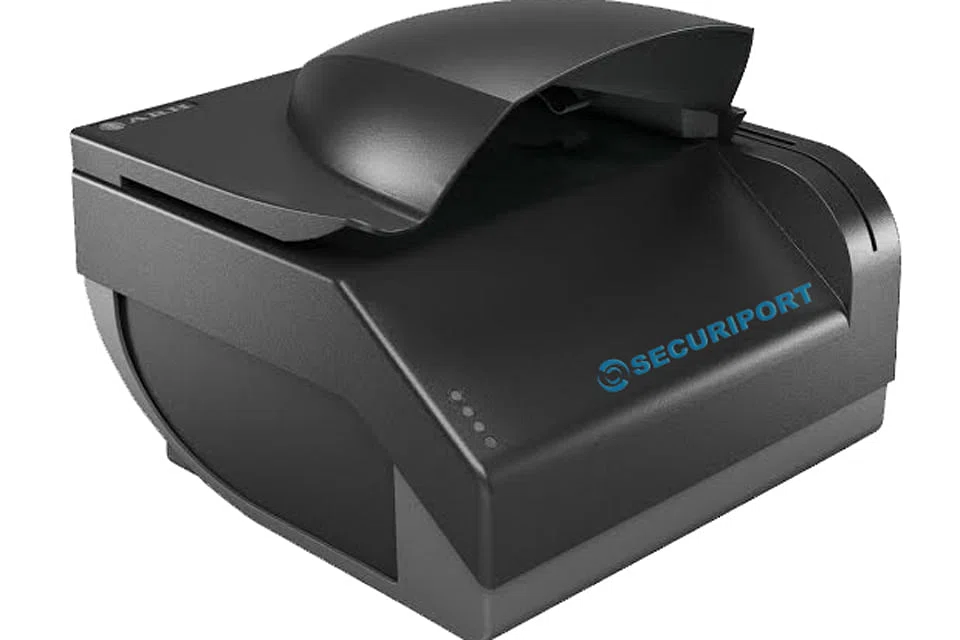
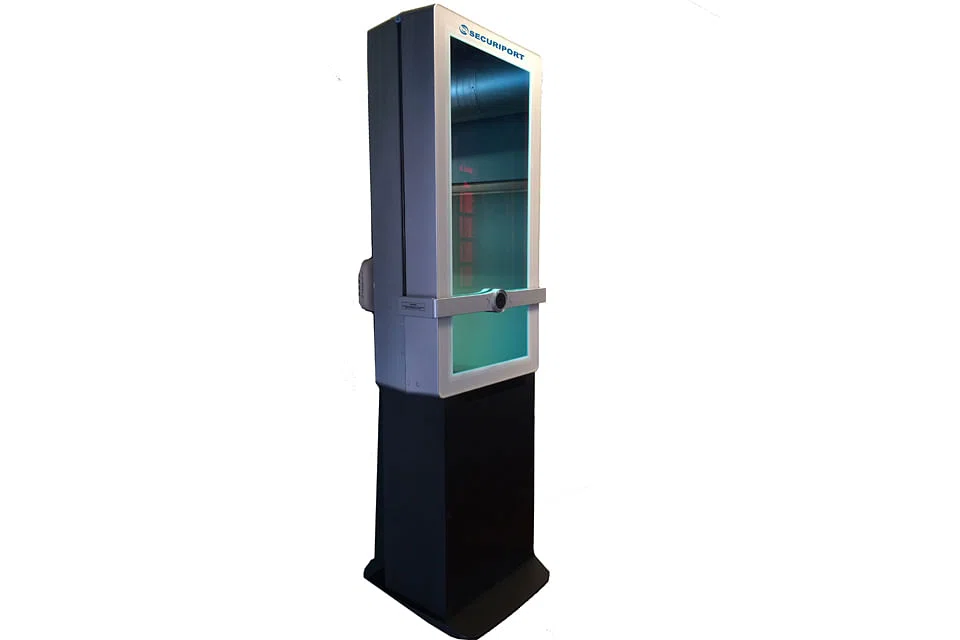
Private sector players have developed solutions to help border agencies do their job effectively. Securiport, for instance, has implemented for its clients Integrated Document Verification Systems, Biometric Identification Systems, and helped connect border agencies to Interpol and other government databases.
"Solving such complex border security challenges takes time and can be costly. Securiport's dedicated team of professionals works to develop innovative tools to meet each country's emerging challenges," said the company's spokesman.






