Digitalisation and tech here to stay

THIS WEEK'S TOPIC: What has changed the most for your business this year?

Published Sun, Dec 6, 2020 · 09:50 PM

    THIS WEEK'S TOPIC: What has changed the most for your business this year?
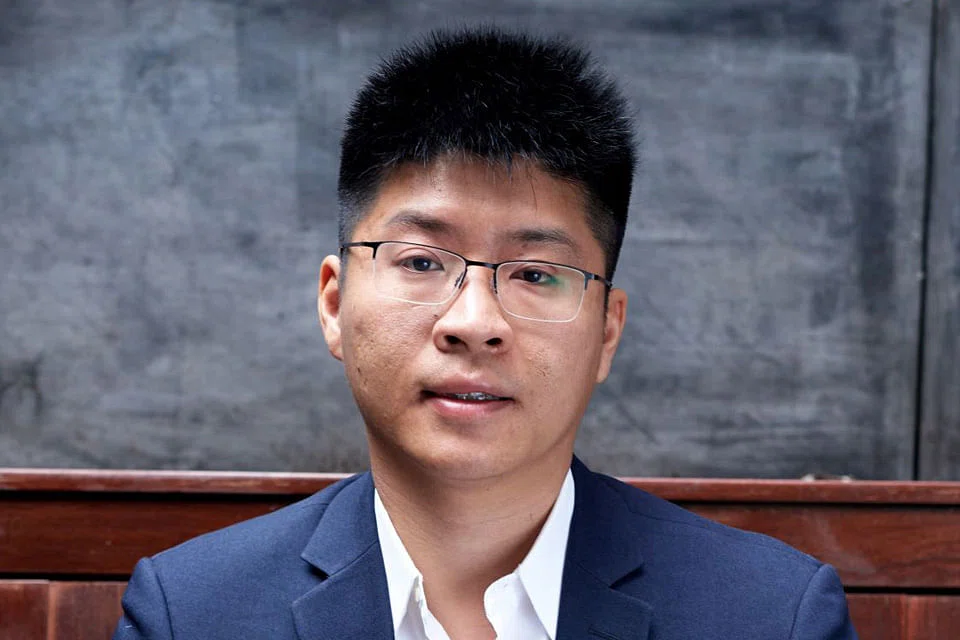
    Seamon Chan Managing Partner Palm Drive Capital

    I think the most prevalent change this year was learning how to build trust across screens. We shifted to doing deals and fundraising remotely. We changed the way we communicate and build relationships. Establishing trust with the people we work with remotely has been a steep learning curve. Furthermore, with staff additions, an influx of interns during the summer and winter months, and being based in different parts of the world, we found new ways of working together to retain our supportive company culture. These changes will have a lasting impact on the way we operate our business.


    Yeoh Oon Jin Executive Chairman PwC Singapore

    I rank Covid-19 as one of humankind's greatest game-changers, on par with the two World Wars and Industry 4.0. In just a few months, it digitally disrupted the world faster than all the chief executive officers', chief information officers', and chief technology officers' combined efforts ccould ever achieve. It hastened the acceptance of flexible practices such as work-from-home (WFH). It has unfortunately also led to many fatalities and business collapses, culminating in the worst global recession since World War II.

    PwC Singapore is not insulated from Covid-19's harm. On the one hand, the lockdown and travel restrictions has adversely impacted our business. On the other hand, our investment into technology and digitisation prior to Covid-19 has placed us in a great position to advise our clients on their much-needed digital transformation. We have also pivoted many of our services to be digitally-enabled.

    Covid-19 has also changed the way we work in PwC. We oscillated from predominantly working-from-office (WFO) during pre-Covid days to 100 per cent WFH during the ''circuit breaker'' and now, ironically, thinking of ways to encourage our people to WFO more often as we plan to move into Phase 3 of reopening the economy.

    Harriet Steel Head of Business Development, International Federated Hermes

    When we look back on this extraordinary year, one aspect of note has been the marked acceleration towards responsible and sustainable investing from clients across a more diverse range of jurisdictions and channels.

    It is widely accepted that the Covid-19 crisis has brought the need for more rapid change into sharp focus, and we are seeing clients of all types reassess their long-term objectives and the outcomes required of their investments. This trend has stimulated a swathe of fund launches from environmental, social and corporate governance (ESG), to sustainability impact, and a broader and accelerated adoption of shareholder engagement and stewardship, now seen as a critical component of enhanced outcomes.

    Pang Tee Haw APAC Regional Business Lead Paessler

    The pandemic has dramatically altered the workplace. In its wake, businesses are adapting from physical locations to a hybrid version where work is highly digitised, remote and dynamic. As a global monitoring company, we were confronted with the same challenge when colleagues in our German headquarters joined the rest of the worldwide team that was already working from home. With 250 employees working remotely, our information technology (IT) team became the lifeline for business-critical departments in ensuring employees had the tools, remote access, network, bandwidth and security for operations to continue around the clock. Through this experience, we hope that as companies evolve their workplace and business practices, they will value the role of monitoring in enabling business continuity and disaster preparedness.

    Chua Kee Lock Chief Executive Officer Vertex Holdings

    It has been a challenging year with disruptive change from Covid-19 and ongoing trade tensions. With countries erecting barriers, there is risk that bona fide foreign investors may be prevented from investing into certain markets and technology. This will reduce the capital available to certain technology startups globally. The pandemic will continue to reverberate across industries, economies and societies, and modify work and social activities for years to come.

    As an all-weather and global venture capital network working with some of the most transformational startups, we continue to take this in our stride as we serve our investors, Vertex family of funds and portfolio companies in good and bad times. We have also closely engaged with the wider Vertex innovation community throughout the year, leveraging technology even more pervasively than before despite these constraints - notably through internships, mentorships and webinars - to help current and prospective startup founders or funders as well as corporates navigate in uncharted waters.

    Russell Higginbotham Chief Executive Officer Swiss Re Asia

    While I always regarded my management team as a highly motivated and aligned group of individuals, there is nothing like a crisis to bring people truly togetherto share issues, work collectively and support each other. As a consequence, we have become more of a tight-knit team and have built ''group resilience'' which puts us in good stead for future challenges and opportunities.

    Wendy Johnstone SVP & COO APAC Zendesk

    The biggest change has been the fundamental shift in the way we think. We have always prioritised flexibility in supporting our customers, but the pandemic has tested our core capabilities of agility, scalability and time to value. We now view responsive customer experiences through a new lens because of the breadth, depth and speed at which we have had to adapt, while delivering consistent, reliable support to our customers. We are looking forward to 2021 and beyond with the confidence that we can continue to reimagine what it means to always give the very best support to our customers and employees.

    Sheena Chin Managing Director, ASEAN Cohesity

    The pandemic has made 2020 a challenging year for most businesses, and we are no exception to this. However, despite the difficulties, we were able to achieve significant business growth. By utilising new and existing technology, we transitioned to remote work and switched to virtual transactions in dealing with our partners and customers.

    For business continuity, organisations must keep the lights on and allow ease of access to data for employees working remotely. However, companies also need to secure corporate data as if all employees were on-site within the corporate firewall. As a cloud platform, we are aware of the role the cloud plays in these efforts to remain agile in the face of market changes.

    Ooi Joon Aun President, Asia Pacific Wyndham Hotels & Resorts

    The entire business landscape has been battered, and it is more important now than ever before for companies to evolve and adapt in response to the changing situation across markets. We made tough decisions to overhaul existing processes and restructure our operations that will better enable us to focus on the foundation of our business: our employees. Significant changes were also implemented to prioritise the safety and well-being of our guests and team members while enabling us to continually deliver value-added solutions to our owners and franchisees.

    Moving forward into the new normal, we must always remember that change is the only constant. While our commitment to our guests, team members and partners remain the same, these changes will only enable Wyndham Hotels & Resorts to unlock even greater value as we progress into recovery.

    Dean Collins Managing Partner, Singapore Dechert LLP

    The global pandemic has transformed the way we live and work and, importantly, has served as a reminder that we are a shared community. Amid challenging times, we have sought to do all we can to support our employees and keep them and their families safe with extensive new resources to provide physical and emotional well-being and practical support. Impressively, our colleagues have quickly adapted to new ways of working and, as a global law firm advising clients on their most complex matters, we have remained very close to our clients, helping them to navigate their business through a myriad of challenges posed by the pandemic. As we look towards a new year, and with fresh hope of a vaccine and the prospect of easing geopolitical tensions, we would welcome a safe, peaceful and prosperous new year for all.

    Colin Brookes SVP, Sales & Services, APAC & Japan Citrix

    Covid-19 has changed the way we work - not just for this year but forever. Never before have businesses faced a situation where they had to enable so many thousands of employees to work remotely and flexibly. It became very clear that work is a thing you do rather than a place you go as we saw that employees can be as productive - often more so - working at home as they are in the office. We believe these evolved work practices, attitudes, and expectations will never go away and are the biggest change for us and many other businesses. Now, after the initial crisis is over, it is time to rethink the remote working experience to maintain employee productivity, engagement, and collaboration in the long term - wherever people choose to work.

    Chris Humphrey Executive Director EU-ASEAN Business Council

    While the pandemic has definitely made a direct impact on many European businesses in Asean, there are some positive things that remain hearteningly unchanged. We conducted a survey, as the primary voice for European businesses in Asean at the height of lockdowns, and many of our members indicated a possible drop in profitability, and are considering reorganising supply chains as the international movement of goods and services is hampered. However, Asean is still seen by many as the region with the best economic opportunity, and almost three-quarters still want to expand their trade and investment to the region.

    Vincent Goh SVP, Asia Pacific and Japan CyberArk

    In 2020, it has been all about the searing pace of change that ourselves and our customers have experienced. Change, of course, is a given, but the global health emergency was the starting gun for a sprint to enable a global remote workforce, or to fully digitise the business. We have seen many years' worth of change in just a few short months. And what these changes have meant, and what CyberArk has been a part of helping customers to secure, is a big shift in the way that security is thought of. In fact, as networks and perimeters have disappeared in the traditional sense, securing identity has become the central concern for enterprises globally, because this is what enables our distributed workforce to access the assets and data they need to do their job, without incurring undue risk for their employers. Why? Because stealing identity is the number one way that attackers compromise these data and assets. We have recognised these challenges and we have seen this time as an opportunity to adapt and to charge ahead.

    Jean-Philippe Malé Chief Executive Officer BidFX

    The pandemic has changed the way organisations operate, with working from home emerging as the preferred modus operandi in this new normal. With this change, we have had to help clients navigate their work requirements amid increased market volatility. BidFX also almost doubled the size of our global team as part of our expansion plan, and our recent acquisition by Singapore Exchange (SGX) enabled us to be part of a larger group, enjoying increased credibility as a fintech company in the forex market. Going into 2021, we expect to continue on this growth trajectory as we enter this fast-growth phase of the business.

    Eric Van Miltenburg Chief Business Officer Ripple

    More than ever, people need to send money to loved ones abroad - and as a result, remittances have continued to surge in some of the largest corridors during the pandemic. However, Covid-19 highlighted the inefficiencies in our financial infrastructure where those who have the least pay the most in remittance transaction fees. This year we saw the acceleration from cash to digital, and increased demand for blockchain-powered payment solutions such as RippleNet in facilitating faster, cheaper and more reliable cross-border payments. In tandem, mainstream interest in digital assets skyrocketed with companies such as PayPal entering the space. I predict that this will only contribute to a wider utilisation of digital assets such as XRP (the crypto currency used by Ripple) in the payments space and yield other exciting use cases in the years to come.

    Kanv Pandit Group MD, Asia Pacific, Banking Solutions FIS

    The biggest game-changer is going entirely virtual. Over 95 per cent of our global workforce continues to deliver remotely while maintaining uninterrupted business-as-usual conditions. This is an achievement but necessary for a large organisation such as ours that plays a key role as a critical technology provider for the global financial industry. The unprecedented economic conditions have accelerated our clients' drive to modernise IT systems, and sped up the uptake of cloud and solutions based in software as a service (SaaS) - creating exciting new opportunities for us this year. As we help our clients transform rapidly to remain competitive, through new technology solutions for digital payments and digital banking, we are also investing internally in our talent and capabilities to ensure we remain agile in this new digital-first world.

    Ben Elliott Chief Executive Officer Experian Asia Pacific

    There is a greater expectation for businesses to help economies recover, and Experian Asia Pacific's priority this year has been to help businesses and communities during Covid-19. Experian's data insights and analytics play a key role in the road to recovery - for example, we have been helping banks identify financially stressed customers with early-warning indicators, respond quickly to change, predict future customer behaviour and deliver the right action that is positive as well as customer-friendly at the right time. This year, we have also focused on providing additional resources for consumers to build their financial resilience through free credit reports and corporate social responsibility (CSR) initiatives targeted at vulnerable communities. Providing support to our partners, clients and consumers has been our key priority, so we can all emerge stronger in the months ahead.

    Taranjeet Singh MD, SE Asia and India Criteo

    Covid-19 has undoubtedly shifted customer habits and preferences toward an increased appetite for in-app retail experiences in our region. As a leader in advertising technology, our focus this year has been on supporting customers with our full-funnel marketing solutions through business recovery, and targeting their most valuable audiences on these mediums. We have also doubled down on efforts to strengthen online identification solutions, ensure greater transparency, and that users control and understand their advertising experience, particularly how their data is used, even as they go online more. By restoring trust in the industry, we hope that value can be driven for consumers, publishers, and advertisers alike.

    Craig Ellis Chief Executive Officer MSIG Singapore

    The beginning of the new decade is anything but a year of 20/20 perfect vision and if there is one thing that we can equate 2020 with, it is the need to be ready for even more change. At the business level, Covid-19 has fundamentally altered the way we work and communicate. With flexible work arrangements here to stay, we will continue to explore ways to improve employee engagement, while protecting their safety and leverage technologies to keep our operations sustainable and flexible.

    The financial sector has not been spared during this crisis. Increasing digitalisation, a growing gig economy and consumers' preference for bite-sized products are new realities that the insurance industry is facing. As a leading general insurer in Asia, MSIG is excited by these new opportunities which will fuel demand for innovative insurance.

    James Ang Chief Partner Officer Dropbox APAC

    It may seem like most of the world suddenly went into WFH mode overnight, but the technological foundations to enable secure and remote collaboration have been in the making for the past decade. The pandemic fast-tracked adoption of the best of these breed-

    technologies, giving equal access to enterprises large and small. Importantly, the pandemic broke down the old mindset of work, and what is emerging is a radical redesign of the workplace - one that is no longer constrained by concrete and geography. We anticipate that more organisations will roll out policies similar to Dropbox's Virtual First, to give employees the freedom and flexibility to do their best work while also building resiliency and diversity into business operations.

    Chua Hock Leng Regional MD, ASEAN Pure Storage

    It is impossible to talk about 2020 without reference to Covid-19, with the global pandemic casting a huge cloud over every aspect of our lives. Like most other organisations, we have had to deal with a WFH employee base which has led us to be very creative with regards to supporting our customers and partners. Fortunately, our emphasis has always been on simplicity and effortless management, which means we have been able to do remote installations and management for our customers. Our remote monitoring capabilities also enable us to provide great insights for our customers and ensure their equipment runs smoothly. We also like to see the silver lining in every cloud and the pandemic has created more awareness than ever for green technology. As organisations ramp up their digital transformation plans, they have also become a lot more conscious of doing this with minimal impact on the environment.

    Mark Weaser Vice President, Asia Pacific OutSystems

    We found ourselves having to operate with much greater speed and agility, and also having to look ahead more than ever before. The global disruption forced organisations across the globe to depend on their technology investments to help them adapt. OutSystems has been actively helping businesses build their applications quickly so they can respond to any demand, especially during this tumultuous year. We also helped enable our customers' remote workforces and ensured they remained operational. While delivering speed, security had to be baked into our customers' transformation process and scalability had to be readily available to meet fluctuating demand. This pandemic will not last forever and when the gloom finally lifts - like it has in recent weeks - we will help ensure the path is paved for businesses to soar again.

    Prakash Govindan Co-founder and COO Gradiant Corporation

    Sustainability has emerged at the core of post-pandemic recovery strategies, with leaders focusing on resilience and long-term growth. This has delivered a boost to sustainable technologies in South-east Asia, where we have observed growing demand for our solutions. This is certainly an anomaly as businesses tend to focus on survival rather than sustainability amid economic uncertainty. Ongoing development of recycle-and-reuse strategies for water and wastewater across industries can further boost its status as a resource rather than a cost centre. We expect this circular economy theme to take centre stage in the post-Covid world.

    Nick Lim GM, Asia Pacific and Japan TIBCO

    For many companies, 2020 has been a pivotal year that has accelerated digital adoption. Organisations needed to innovate to adapt to the sudden and prolonged disruption to normal operations. TIBCO was no exception, and we quickly focused on helping customers navigate the changing IT landscape using immersive, real-time analytics. As we highlighted the importance of sustainable innovation, we enhanced our data-centric business solutions to help our partners achieve effortless digital agility. This year came with challenges that also presented countless opportunities for our company to leverage the transformative power of data to derive actionable insights more effectively, and this also helped our partners in making faster, more intelligent, data-driven business decisions.

    Jacob Duer President & CEO Alliance to End Plastic Waste

    As the pandemic unfolded, billions of people were locked down; and the world raced to secure personal protective equipment. We face mounting piles of used and discarded masks, gloves and plastic packaging from delivery services that are adding to the 11 million tonnes of plastic waste leaking into our environment every year. But no company can deal with this impact alone. As Asian consumers increasingly make deliberate sustainable choices, companies need to collectively respond to the plastic waste challenge. And more than ever, governments and companies must invest in partnerships that help nations deliver sustainable solutions so cities stay resilient for the future.

    Pascal Lambert Group Country Head, Singapore Head of South East Asia and India Societe General Group

    The pandemic clearly had a major impact in accelerating global efforts towards sustainable finance. As an institution, Societe Generale is one of the first global banks to announce reducing by 10 per cent its global exposure to the oil and gas extraction sector, in addition to our new decarbonisation goal in the financing of electricity generation. We are actively engaged with our clients in the region to support them in their energy transition, and are also looking into the broadening of sustainable finance from green finance to social and impact finance. Similar efforts can be seen in Asia towards ESG investment products. Another major development this year is of course related to our own way of working and digitalisation of our work processes combined with WFH practices - these will have a long-term impact on the way we operate.

    Magesvaran Suranjan President, APAC, Middle East and Africa P&G

    This year, we accomplished things we never thought possible. We swiftly implemented strict new protocols in our plants, transitioned to periods of WFH, and accelerated virtual tools and technology to keep our business running seamlessly. We delivered on our unwavering commitment to protect our people while serving our consumers with our critical health and hygiene brands. We stepped up to support our communities more than ever before. Yet the biggest change is our change in mindset. We have proven the resilience, agility and trust of our employees and are now embracing what comes next as a ''better normal''.

    Parvinder Walia President, Asia Pacific and Japan ESET

    The paradigm of cybersecurity has changed fundamentally in the remote working environment. As digitalisation accelerated this year, it is crucial for businesses to double down on their cybersecurity strategy to ensure that corporate networks and data are kept safe while working in an increasingly hybrid workplace. Throughout the year, ESET has supported this transition by making our cloud-based cybersecurity solutions more accessible to businesses of all sizes as well as to consumers. We continue to monitor the development of the evolving threat landscape, and adapt our solutions to the rising trend of remote threats, malware and scams so everyone can enjoy safer technology.

    Terry Smagh SVP & GM, Asia Pacific & Japan BlackLine

    Finance has emerged as a mission-critical function offering strategic business value enabled by increased digitisation. Business leaders want more frequent forecasts and analytics from finance, given its importance in helping deal with today's fast-changing market conditions. Businesses are placing a renewed focus on risk management, control environments, and cash flow optimisation. We are seeing prioritisation and acceleration of business automation and artificial intelligence (AI) more than ever before. It begins with accounting and extends to other finance and operational areas. Businesses that are struggling with revenue declines are no exceptions. We believe businesses can emerge stronger from the pandemic with modernised finance and automation.

    Adrian Tan Practice Leader - Work Tech PeopleStrong

    This year has accelerated the need for digital solutions across all industries - that is a boom for PeopleStrong as our key focus is providing organisations with a cloud-based human resources (HR) system. It also obligated us to continue our business operations remotely, something that was attempted but usually catered for specific situations. The practice made us realise that physical presence in the office is not entirely necessary for great work. Moving forward, we would be reducing our footprint for offices and allocating those resources to other areas such as people and technology.

    Ronak Shah Chief Executive Officer QBE Insurance (Singapore) Pte Ltd

    We have experienced a paradigm shift in our approach to doing business, having to adapt to a wholly different way of working with and meeting client needs, and addressing new needs around employee wellness. There has also been a greater emphasis on digitalisation across all businesses. On our part, we have taken advantage of this landscape to push beyond digitalisation, refocusing our budget and priorities to develop innovations in product delivery and solutions. This has given us a headstart on our 2021 digitalisation plans, putting us in a stronger position to support our clients and partners in the coming year. To reflect our continuous business growth here, we also transitioned to a new office space in end-November. We look forward to welcoming 2021 with both a fresh working space and headspace to hit the ground running.

    Jay Teo International Director iCHEF

    The food and beverage (F&B) industry in Singapore was hard-hit by the pandemic this year, with year-on-year sales reportedly falling by close to 30 per cent. However, it is in times of crisis that traditional F&B operators' adaptability and resilience is revealed - from hawkers embracing digital ordering systems to pubs pivoting themselves to new F&B concepts, we have seen our clients adopt proven technologies to stay relevant in today's online world. A 120 per cent increase in enquiries for iCHEF's technology & consultancy services also serves as a testament to how F&B owners are taking the initiative to look for new ways to expand their business. With support from the government and technology partners, we believe that F&B businesses have the solutions they need to take advantage of this crisis and further their horizons in ways previously impossible.

    Lee Fook Chiew Chief Executive Officer Institute of Singapore Chartered Accountants (ISCA)

    Covid-19 has transformed the way we live and work. One key change is the accelerated pace of digital transformation. In the next three to five years, there could be a wider adoption of technological enablers such as robotic process automation, AI, Big Data and blockchain. This means job roles in the finance function will need to be redesigned, and accountancy and finance professionals will need to upskill themselves. With these tectonic shifts, this year we have focused our efforts on helping the profession navigate the post-Covid world. This includes new offerings to help accountancy professionals upskill and reskill, such as the ISCA Compliance Certificate series, resources in the form of technical guidance, research reports and a dedicated online Covid-19 resource centre to keep them updated on the latest developments. To better engage our members in a time of social distancing, we have converted many of our service offerings to a digital format. This form of digital delivery has not only allowed us to support the profession amid the pandemic but also enabled our service offerings to reach a wider, international audience.

    Alper Turken SVP, Service Providers, Asia Pacific CommScope

    Most notably, CommScope has realigned its major business segments this year, having acquired more extensive communications and video hardware, as well as enterprise Wi-Fi capabilities. This has enabled our business to offer a diversified, global portfolio of industry-leading technologies for enterprise and service provider customers, who are now in need of stronger end-to-end connectivity solutions as the world continues to pivot towards remote working, living and learning amid the global pandemic. Looking ahead, we remain steadfast in our mission to shape the most advanced networks of the future, helping businesses realise the full potential of the 5G revolution.

    Jan Meurer President J&J Southeast Asia

    Digitising our business was one of our key priorities before the pandemic, but we have seen it accelerate at unprecedented speed this year. We quickly pivoted our ways of working and developed innovative approaches to continue meeting the needs of our patients and consumers. Engaging our doctors was a challenge as hospital visits came to a halt. What was unthinkable before became reality. We had to conduct in-depth product simulations virtually for our doctors and online training for our healthcare partners that were combined with live hands-on sessions. For consumers, we shifted our marketing resources digitally, accelerated our online-to-offline (O2O) strategy, and further entrenched our e-commerce presence to ensure our customers were getting continued access to our products.

    Organisationally, employees adopted agility and a growth mindset, which enabled the business to adapt and keep pace with the disruption. The journey has been rewarding in spite of the challenges, and is an experience that will shape our business strategy well into the post-Covid world.

    Mark Elliot Chief Marketing Officer BioCatch

    Singapore has long been at the forefront of digital banking, but we have witnessed an unprecedented increase in adoption this year due to Covid-19. With demand at an all-time high, cyber-criminals are also taking advantage and changing their modus operandi. The proliferation of these threats demonstrates the need for more robust security monitoring that goes beyond traditional methods, including analysing users' unique physical and cognitive behaviour throughout the digital experience. This reduces the risks of fraud and identity theft as financial services companies continue the shift to more digital account openings, as physical verification becomes a thing of the past.

    Ho Chye Soon Singapore Country Manager Nutanix

    The future for business IT is multicloud-driven and software-defined, and this year we saw the pace of digital transformation accelerate due to the global pandemic. During the year, we helped customers strengthen or rebuild their IT infrastructure. We partnered with AWS and Microsoft Azure so that customers can take advantage of our full software stack on public and private clouds. We also delivered significant innovation for the data centre and cloud to drive faster performance, simplify cybersecurity, and expand automation and budgeting capabilities for cloud resources. Additionally, we introduced a programme to better engage with our channel ecosystem.

    Shaun Hon Director Rainmaking

    This year forced the world to go online but what was most surprising is how it gave us an opportunity to choose to bring more empathy into our everyday interactions. There have been many occasions when clients, stakeholders or colleagues have children or pets in the background of video calls. There is a lot of mutual understanding that the person at the other end is also human - it is a reminder that the person we speak to is more than their designation, but also a mother, a husband, a neighbour and more.

    John Lombard Asia Pacific CEO NTT Ltd

    Covid-19 has quickly brought a stark reality of change to many organisations. While transformation is relatively commonplace among a majority, it is the nature of transformation in our current reality that has helped many organisations acknowledge the promise of technology and appreciate the urgency to adopt sustainable practices in our personal and business endeavours. NTT believes in contributing to society through our business operations by using technology for good, and this has never been more true than it is today - to use the powerful technology at our disposal to innovate with purpose and transform our future for the better.

    Fabio Tiviti Vice President, ASEAN Infor

    This has been a year of disruptions, bringing with it a critical need for businesses to be adaptive and thrive, amid challenging circumstances. This year has taught us that business resilience is about having a good handle on risks and uncertainties, and the readiness to harness technology that keeps business processes going so as to take advantage of changed conditions. We saw an accelerated appetite by our customers for agile, industry-specific technology in the cloud. Looking ahead, business resilience is going to be the new benchmark for business excellence. In today's world, it is imperative for companies to be able to reconfigure their operations and take the opportunity to transform their businesses. All this while maintaining safe return-to-work procedures, and ensuring that customer experience remains top quality.

    Gordon Lam President, Asia Pacific & Japan Syniti

    At Syniti, our business strategy shifted and accelerated because of Covid-19. When some of our customers reprioritised their digital transformation due to the pandemic, we adapted our offerings and used our data platform to help them identify areas where they can save costs, streamline processes, and increase working capital. All these enabled them to become more agile and survive in the turbulent economy.

    Even though our business strategy may have evolved to support the new normal, our core vision - of helping businesses harness data as a competitive advantage, delivering actionable insights, and enabling business agility - remains the same. As businesses embark on their journey to recovery in 2021, they will need to rely on data more than ever to navigate the uncertainty and drive better business outcomes.

    Richard Kwok President The Institution of Engineers, Singapore (IES)

    Our digital transformation moved into high gear this year. Every year, the Institution of Engineers, Singapore (IES) hosts several major engineering events and the IES Academy also holds ongoing professional development talks and workshops. Due to the pandemic, we have moved our events online where possible and also introduced e-learning initiatives such as the IES Virtual Classroom for local engineers to continue to upskill and build up professional competency through such forums. The pandemic has also amplified the urgency to build a strong pipeline of engineers capable of developing solutions to address the challenges confronting mankind. As such, despite the challenges of organising the National Engineers Day, a student-centric event, we even managed to extend it to a 10-day programme to reach out to more students.

    Jimmy Yam Vice President Eaton

    Pandemic-led digitalisation was a key driver of business transformation in 2020 and will have a ripple effect on the landscape for years to come. This upsurge in the consumption of digital goods and services will drive demand for data centre resources further, amid supply limits with the moratorium on new data centres.

    However, this pause has encouraged a wave of innovation as businesses and operators move towards a greener pathway toward digitalisation. Already this year we have seen concepts for floating data centres, new research commitments, and global players switching to solar power to fuel local facilities. These are significant steps in the right direction. We have likewise accelerated our pursuit of a clean, reliable and efficient energy future, by developing solutions that help businesses maximise our limited resources and contribute to meeting Singapore's emissions targets.

    Mark Smith Managing Director, Asia Pacific Digital Realty

    Data centres have emerged as the backbone of the digital economy, due to the rapid growth of digital transformation. This trend is expected to continue in the years to come, with Asia Pacific set to be the largest market globally. Our recently released Data Gravity Index report revealed that four of the top six fastest-growing cities are located within Asia, with Singapore in the lead. Against this backdrop, it is crucial that data centre providers meet this need while ensuring they are expanding at a sustainable rate. We are encouraged to see most customers in the region now view sustainability as a key priority.

    Rob Schimek Group CEO bolttech

    Launching bolttech as a new insurance technology (insurtech) startup early this year, we could not have predicted the global seismic shift that would follow the pandemic and its effects on economies, politics, our daily lives and the way we work. As a technology company, the rapid digitisation of business certainly validated our proposition. But the new way of building relationships and relying on virtual connections has challenged us to rethink our approach to engaging with our stakeholders - our staff, customers, partners, investors and regulators. We had to do what we would never have thought possible just months before - forge new relationships completely remotely. During lockdowns, we were still signing on new partners, engaging with investors and raising capital, and moving into new markets. We had to respond to new opportunities quickly and decisively, in a leaner and more competitive landscape. These learnings have made us more agile, efficient and successful as a team. As the acceleration of digital continues well into 2021 and beyond, investing in technology and fostering a digital-first culture of innovation, will continue to be crucial for growing our business.

    Andrew Slevin Chief Executive Officer John Foord

    In the insurance sector, the pandemic has created entirely new challenges and opportunities. One of the perennial needs of asset owners is to regularly review their sums insured, whether they be hotel real estate in Thailand or power plants in the US. The risk is that assets are under- or over-insured, leading to risks of underpayment in the event of an insurance claim or too high a premium being paid. However, assessments can take weeks, often require a site visit (almost impossible with Covid-19) and involve detailed asset knowledge. The pandemic has accelerated the need for faster, entirely online asset valuations. As independent valuers working with asset owners, insurers, and brokers, we are leveraging our historical data, along with the latest in cutting-edge technologies, to build more online solutions to ensure sums insured are correct.

    Eng Thiam Choon Chief Executive Officer Tiger Brokers Singapore

    Tiger Brokers officially launched our online and mobile trading platform this year. Due to the pandemic, we saw a surge in investors, especially in Generation Z, leveraging native digital habits such as online trading. Covid-19 has propelled the importance of being digitally savvy, as new adopters enjoy the efficiency and convenience that technology offers, from online shopping to digital payments. As an online trading platform, Tiger Brokers understands the need to be consistently up-to-date with what we share, while offering product diversity, enhancing customer engagement processes to suit both old and young investors, especially in this new digital era.

    Jan Herzhoff President, Global Health Markets Elsevier

    The challenge during Covid-19 is that clinicians had no prior information on the virus to guide patient care standards and treatment pathways. Elsevier led a global effort to ensure that the medical community had access to high-quality, credible information to support clinical decisions to save lives. Elsevier made research on Covid-19 freely available on our ScienceDirect website, which saw over 130 million downloads in the past six months. We also established a Covid-19 healthcare hub, which curates the latest guidelines and treatment recommendations, and provides resources to support management of workplace stress and anxiety.

    In medical education, we have seen an acceleration in digital transformation accompanied by an increase in usage. We continue to support frontline healthcare workers and drive innovation for our education and clinical solutions products concurrently.

    Stephen McNulty President, Asia Pacific and Japan Micro Focus

    The digital acceleration that Covid-19 brought posed a fresh challenge to organisations. This year our key priority was to deliver first-class digital service with a spotlight on zero-touch customer experience. With our continued innovations and SaaS offerings during this period, as well as cybersecurity collaborations with our partners, Micro Focus will continue to provide the essential solutions to support our customers in managing their IT operations, digital innovations with DevSecOps (a further development of software development and IT operations), and cyber resiliency.

    With these innovative solutions and partnerships, we will continue to help businesses enhance their digital capabilities to manage customer interactions, gearing up to achieve the best of both worlds - creating an optimal user interface while building lasting digital trust.

    Munenori Ando Regional Managing Director Epson Singapore

    It has been a year of profound disruption and change, putting enormous pressure on workplace dynamics to evolve to meet new needs, including support staff on both a remote and in-office basis. With hybrid workplaces a new reality, the ability to leverage on technology has become more critical than ever. As teams now collaborate and communicate virtually with internal and external stakeholders, technology to bridge the virtual gaps has become core to enhancing communications with employees and engage business partners, while also maintaining productivity levels. This year has set the stage for a paradigm shift in the workplaces of the future.

    Osamu Ono Managing Director & CEO Mitsubishi Power Asia Pacific

    Covid-19 has significantly altered the energy sector, with the International Energy Agency projecting declines in global energy demand, investments, and energy-related carbon dioxide emissions this year. From increasing emphasis on distributed power generation to ramping up the need to digitise plant operations, 2020 has been a transformative year. Against this backdrop, Mitsubishi Power underwent a rebrand in September and continues to grow as an energy solutions company enabling delivery of clean and reliable power to people everywhere. Bolstered by our engineering prowess - from designing the world's most efficient gas turbine to recently starting commercial operations of what will become the world's first autonomous power plant - we are looking to expand our current reach. With our sights set on achieving carbon neutrality in the coming decades, we are investing in emerging solutions such as hydrogen, ammonia, energy storage and digital applications to create an energy future that works for both people and planet.

    Josh Heniro Senior Director, SE Asia and Australasia Institute of Management Accountants

    The pandemic has definitely affected the accounting and finance profession. In particular, it has accelerated the pace of technological adoption in this field. This year, we have seen a broad and rapid adoption of automation and cloud-based accounting, which has the side effect of allowing finance professionals to focus on providing data-based critical and analytical thinking to support business planning. This has led to a better appreciation of finance professionals who can bridge the gap between the accounting and planning side of businesses, and that has really shifted the skill-sets that employers and business leaders are looking for.

    Joanne Wong VP, International Markets LogRhythm

    This year has been a tipping point for us all, with changes to how we work likely to persist in the long run. Like many others, we had to adjust quickly to embrace the new normal of remote work, and ensure business continuity amid volatility. Overnight, we learnt to reinvent the way we engage and connect with our team members as their wellbeing and mental health became a top priority for us. We have also strengthened the level of support and communication for our customers, who now increasingly act on the imminent need to strengthen cyber resilience and secure their digital operations. Dealing with change is never easy, but we have all grown stronger and more resilient for the challenges that lie ahead.

    Ana Dhoraisingam Chief Executive Officer, Singapore PineBridge Investments

    The biggest change for us this year has been in how PineBridge Investments pivoted in a very short period of time to having most of our global workforce working remotely while ensuring that there was no disruption in the quality of our engagement with our clients. While the health and safety of our staff remained a key priority for the firm, our investment teams also had to navigate very extreme market conditions brought about by the pandemic. We increased the level of investment insights provided to our clients during this period, as this helped our clients better understand how we were navigating this crisis and managing their investments. Importantly, we recognised the humanitarian suffering and hardships that the lockdowns and unemployment had brought to communities, particularly for frontline healthcare workers. Our employee-led charity efforts across the world helped fund critical initiatives to support those impacted by the crisis and allowed us to strengthen our bonds with our local communities further.

    Lee Siang Chief Executive Officer Dyslexia Association of Singapore

    The biggest change has been the significant transfer of activities online. While the Dyslexia Association of Singapore (DAS) is increasingly able to resume face-to-face activities, we now face a difficult decision whether to continue our activities online or return to physical activities as both offer pros and cons. A good example is the annual conference held successfully online in June this year. More established speakers and participants from other countries were able to join local speakers because of the virtual format. However, a virtual conference lacks the interaction and networking opportunities that come with a physical conference. With Covid-19 unabated in many countries, DAS is working towards another virtual conference in June 2021, with the main aim of facilitating greater interaction among conference participants.

    Simin Liu Co-Founder Light of Hope

    As we transit from a physical to a digital world, the technology divide for marginalised communities has widened. Sure, there is a virtual solution for everything these days. But overnight, we left behind many who do not have access to the same means. From where Light of Hope stands, it has been affirmed that our mission of bringing electricity and Wi-Fi to off-grid communities is more important than ever. 2021 needs to be the year where decision-makers across the technology ecosystem make a deliberate choice to bridge the divide so that the benefits of digital acceleration is shared to all.

    Andrew Yeong VP and Head of Asia Pacific Tata Communications

    Covid-19 has dealt the economy an unparalleled blow. As physical meetings took a backseat, businesses went online. This shift came with accompanying needs for reliable connectivity, ubiquitous data access and security. Companies were forced out of their comfort zones to hasten their digital transformation. As a business, we saw the shift to this remote working model drive the demand for high-end tech in many categories, such as increased demand for network capacity, unified communication and collaboration technologies (the usage of which exponentially amped up during this period), cloud computing, zero-trust security, among others. As a digital ecosystem enabler, Tata Communications was able to leverage our digital expertise and experience of being a trusted adviser for our customers, to enable their growth beyond regional borders, help them innovate and become more agile. Due to our extensive upgrade and modernisation done on our network over the last three years, we were able to rapidly support capacity expansion for our customers during this period. Our Secure Connected Digital Experience (SCDx) proposition became a key platform for us to support our customers in this remote-first environment. This fighting spirit has been admirable, and we hope companies will continue to march strongly ahead in 2021.

    David Hope SVP, Asia Pacific & Japan ForgeRock

    In our marketspace the demand across the region for identity and access management (IAM) solutions has grown significantly this year. The pandemic has aggressively sped up digital transformation across all industries, and this in turn has driven demand both for consumer and citizen applications on the external side as well as solution needs to manage workforce identities in light of the significant WFH changes of this year. As the demand has increased, so has the market awareness that IAM solutions help organisations to increase revenue, save costs, and are critical components of any enterprise's cybersecurity strategy.

    Jim Cavanaugh President, APJ AppDynamics

    Push came to shove this year and at AppDynamics, we have seen our customers face intense pressure as they shouldered the burden of maintaining business continuity in exceptional circumstances. While digital transformation is not new, this pandemic exposed many digital shortcomings and reinforced some important priorities. From addressing a lack of unified visibility across entire tech stacks, to providing consistently positive digital customer experiences, companies have had to expedite IT plans to mere weeks. Looking ahead to 2021, ''observability'' will be a key technological priority as companies continue to develop elaborate technological systems and infrastructures. As businesses accelerate their digital transformation journeys, their IT systems are working overtime. Using observability solutions to extract data from archives, developers can focus on monitoring the data and insights that matter and significantly impact business outcomes.

    Henry Tan Group CEO Nexia TS Group

    For us as a service firm, we are most affected in the way we interact with our clients and how we deliver such services. Most impactful is the travel that we usually make to our overseas clients and also their premises locally. This has been significantly reduced to virtually zero. However, we are surprised that our engagement with clients has not only not decreased, but improved a lot. We have also noticed changes in potential clients looking for value-for-money services and clients who are willing to consider alternative service providers if we are able to prove that we can do the work. We see these two phenomena not just for now, but for the future as well.