

A greasy road
THIS WEEK'S TOPIC: How has the fall in oil prices in recent months affected your business or industry? What would be the wider impact if prices stay lower for longer?
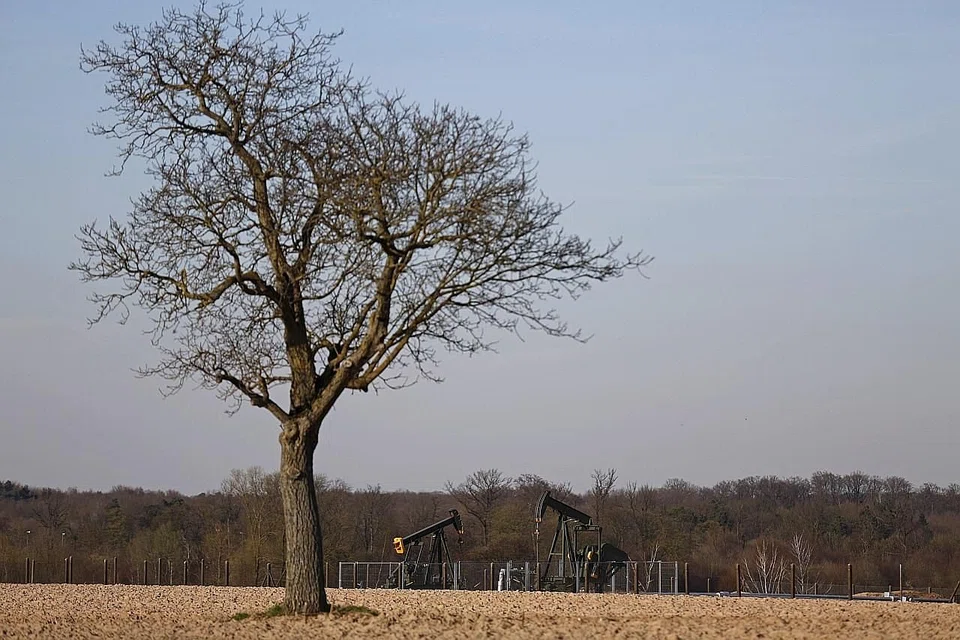

THIS WEEK'S TOPIC: How has the fall in oil prices in recent months affected your business or industry? What would be the wider impact if prices stay lower for longer?
Nick Foley
President, South-east Asia-Pacific and Japan
Landor Associates
TEN years ago a fall in oil prices would have been met with merriment by motorists. Likewise, most businesses would have revelled in the news. Today, a fall in oil prices is met with curiosity. Both businesses and consumers are starting to see oil in a different light owing to the emergence of clean energy.
The Tesla electric car is no longer a prototype but very much a reality now in production. The Tesla range of vehicles is reshaping consumer attitudes towards driving.
Global commodity markets have experienced declines in coal of late. China, concerned by the deterioration in air quality that coal-fired power stations cause, recently indicated that it would reduce its reliance on coal. For "old energy" countries such as Australia, this leaves the coal sector wondering about its future. Countries such as Saudi Arabia may also be thinking similarly with regard to oil. While there will always be a need for oil, it is likely that it will increasingly be relegated to "old energy" as advances in clean energy, such as photovoltaic power stations, start to give both business and consumers greater choice at affordable prices.
Yeoh Oon Jin
Executive Chairman
PwC Singapore
THE recent sharp decline in oil prices is unlikely to have a significant impact given the high volatility of oil prices. However, if the low prices are sustained, then the impact will be favourable for the business community of countries like Singapore which are net importers of oil; overall business will benefit, especially those that rely heavily on oil as a raw material, or are huge consumers of energy. On the other hand, countries which are major exporters of oil would see a significant decline in their income streams and this would impact the oil companies as well.
If the price of oil stays low for a protracted period, it may be worth looking into the reasons why the prices are depressed. If the key driver is due to greater availability of supply - for example, from US shale oil development, or reduction in demand due to greater use of alternative energy sources - then this would be a positive impact on businesses in general. However, if the key price driver is reduced demand as a result of economic slowdown in Europe or parts of Asia, then it will be a symptom of a slowing business environment in overall terms, which presents a bigger problem for businesses in Singapore and the rest of the world.
Laletha Nithiyanandan
Managing Director
Talent Design Potential
TYPICALLY, declining oil prices indicate a slowing global economy. But the current slowdown is more complex. Shale oil production has allowed economic activity in the US to remain fairly strong and low oil prices are also a boon for manufacturing nations like China.
Recruitment is a good barometer of the overall business sentiment in a market. There have been hiring freezes globally at some large organisations as a short-term reaction to what is happening. Obviously the oil and gas sector is adversely affected.
However, there are several industries that benefit - manufacturers, shipping and aviation - and as low energy prices raise profit margins for companies, these industries will be looking to hire. Protracted low energy prices will surely help spur a broader economic recovery with a positive knock-on effect for recruitment.
Max Loh
Managing Partner, Asean and Singapore
Ernst & Young LLP
THE fall in oil prices in recent months is the result of a shift in crude demand and supply. One of the biggest casualties of the lower crude prices are export-dependent economies due to reduced spending by oil and gas exporters, and follow-on pressure on oil and gas companies to cut costs and review the viability of their projects.
On the other hand, oil-importing economies can see substantial savings off their energy costs. Consumers enjoy lower utility bills, which can translate into an increase in retail consumption and growth in automotive sales.
Furthermore, energy-intensive industries and businesses in general could see an improvement to their bottom line. However, businesses that want to see savings beyond this temporary period of lower oil prices should look into resource efficiency and resiliency. After all, the smarter a company is about energy, the lower its costs can go, and the better-off it is as a business.
Catherine Low
Country Manager
ING Bank NV Singapore
WE have long been active in commodities trade financing, including the financing of oil imports and exports, and commodity price cycles like this are not unusual. While lower oil prices can potentially impact the earnings that banks make in financing oil shipments, we are glad to see our clients continue to actively utilise our trade financing credit facilities. Our clients are those that provide value-added services within the supply chain as trading intermediaries between producers and consumers, by bridging gaps between supply and demand conditions. As a bank, we help them fulfil their role by providing bespoke financing and risk management solutions so that they can remain profitable in the long term through such commodity price cycles.
Eric Lim
President
Institute of Internal Auditors Singapore
INFLATION bites into our incomes and a drop in oil prices over the longer term will check inflation as our economic activities are mainly powered by oil or energy. A decline in oil prices will raise the incomes of the industrial sectors and generally the purchasing power of consumers. Now, the question is - is it tenable for oil prices to remain low for long? From the supply perspective, low oil prices make exploration activities economically not viable to continue, and should there be heavy demand for oil, inflation will creep in when the supply of oil fails to keep pace with the demand due to the long gestation period to bring the oil to the market. Instability in the global and local economies may result and henceforth a more balanced approach of using oil stockpiles to bring stability to oil prices may be the way forward.
Pinaki Rath
Managing Director
Gold Matrix Resources Pte Ltd
THE sharp reversal in oil prices has affected sentiment in the base metals arena, which has moved into the bear territory now. However, beyond our business, there are more winners than losers in the world economy itself. A 10 per cent change in the oil price is associated with an 0.2 per cent uptick in global gross domestic product (GDP). These low prices would be a shot in the arm for a stagnating world economy, more so from an Asian perspective. Four of the five biggest oil importers are from Asia. Cheaper oil will keep inflation in check and may even propel the Fed to keep interest rates at zero for longer. The total global oil subsidy is US$550 billion annually. As an estimate, that bill should be reduced to US$400 billion. Countries could seize the opportunity to dismantle subsidies. This price fall offers some budgetary breathing room. It has even allowed India to end its diesel subsidies - a landmark development.
Lim Soon Hock
Managing Director
PLAN-B ICAG Pte Ltd
HEAVILY fuel-dependent industries, such as transport, logistics and power generation, will benefit from the fall in oil prices. Airlines' fortunes, for example, are at the mercy of fuel prices. Businesses (buyers) often are in a lose-lose situation, when companies (sellers) are often quick to raise prices but slow to revise prices downwards when oil prices fall. As an example, for the manufacturing sector, utilities and transportation are often significant expenses. The fall in oil prices would only benefit the manufacturing sector, when such service providers reduce prices accordingly. Renewal energy and alternative sources of energy - such as solar energy, liquified natural gas (LNG), shale, wind, tidal-wave and nuclear energy - will keep the prices of oil depressed. The days of escalating oil prices are numbered. This is good for business, as the competitive forces of supply and demand in the laissez-faire marketplace will ensure that cost savings will accrue to businesses.
Francis Fong
Managing Director, Singapore
SAS Institute Pte Ltd
CRUDE oil dynamics and their effects on the global energy industry and economy are complex and expansive. The recent dip in oil prices would have no doubt impacted oil producers, businesses with global supply and distribution chains as well as governments. At SAS, we believe it is therefore important for organisations to leverage data analytics to get accurate forecasts that reflect business realities, and hedge against volatility of oil prices without disrupting and affecting business operations.
Energy demand forecasting can help governments better plan their energy needs to set policies to regulate and properly diversify energy sources, mitigating risks and at the same time minimising the cost of obtaining energy. For oil-producing corporations, better energy demand forecasting can enable them to better predict crude oil demand, enabling them to plan and synchronise their production in a more cost-effective manner to either minimise inventory holding costs during low demand periods or minimise the risk of stock-outs during high demand periods. Those with global supply and distribution chains can use these forecasts to help them better plan their shipping tactics to minimise transportation costs in the short term. They can also better structure their fuel-hedging strategies to gain the benefits of crude oil price decreases and mitigate losses through buying derivatives when crude oil price increases.
Yu Tat Ming
CEO
PacificLight Power
SINGAPORE has to import all its fuel requirements, with fuel prices linked to international oil prices. The cost of producing electricity is predominately driven by fuel costs and therefore electricity prices in Singapore are heavily influenced by the global supply-demand balance and the geopolitical environment. PacificLight uses LNG to fuel its 800MW power plant on Jurong Island. One key reflection of the recent downward trend is lower LNG prices, which enables PacificLight to generate electricity at more competitive prices to the benefit of our consumers. While volatility is not unusual in energy pricing, a prolonged lowering of energy prices will support Singapore's economy at a broad level across all sectors, in particular manufacturing and transportation. Contestable consumers who commit to longer-term electricity supply contracts will benefit from the current low fuel prices through long-term hedges which PacificLight is able to enter into.
Haider Rashid
Country President, Singapore, and Region President, South Asia
ABB Singapore and South Asia
THE ups and downs of oil have historically and will continue to have impact on economies and industries the world over. However, if you look to the longer term, the main force reshaping the global energy landscape is not market movements but the decoupling of economic growth from emissions and energy consumption.
This means using energy more efficiently so that we derive more GDP from each unit of energy, and severing the link between energy consumption and greenhouse-gas emissions through the greater use of renewable energy sources, thus insulating our economy from conventional fossil fuel fluctuations.
This requires progress in three areas: technology, policy and behaviour.
The area which is most advanced is undoubtedly technology and we've seen how technology can impact the ratio of energy consumption to GDP. Switzerland, for example, uses one-third of the energy to generate US$1,000 of GDP than Indonesia, Myanmar, Thailand and Vietnam each does.
On an industry level, many of the technologies on the efficiency side have immediate economic benefits and can be implemented without any negative economic impact. But a greater challenge is the deployment of technology, which requires a rethink in policy and behaviour.
In terms of policy, what is needed above all is certainty and clarity in the regulatory framework. Policy should incentivise desired behaviours - simply put, imagine the impact that the US$51 billion in fossil fuel subsidy from 2012 in the region would have if it was used in the renewable sector instead.
Finally, it is important to raise awareness around using energy more efficiently, and to ensure that businesses and individuals have the information, knowledge and ability to adjust their behaviour.
As business leaders we have an opportunity to shape policy, technology and behaviour. The more progress we make across this "triangle", the faster we will decouple energy consumption and economic growth.
Mike Wilkshire
Business Director
Hays Oil & Gas
THE drop in the price of the commodity is likely to have a negative impact on the oil and gas market globally, with salaries expected to either remain static or fall in the year ahead. Last year we recorded the first global decrease in salaries year-on-year since we started producing our global Hays Salary Guide five years ago.
Globally we expect a slowdown in exploration as low prices make new field development and exploration projects less commercially viable. However, we do expect some growth in the operations/downstream market as these areas can profit from lower costs.
The effects will not be uniform globally. While Europe is likely to suffer further softening, we expect to see additional growth in Asia as multinational corporations continue to target the region for development, especially in shipyards working on new build/conversion of offshore vessels and production facilities such as FPSO (floating production, storage and offloading), FSO (floating storage and offloading) and jack-up rigs. With the drive to improve efficiency and keep down costs we also expect to see OEM (original equipment manufacturer) markets servicing the oil and gas industry to stay relatively strong with products such as downhole tools likely to experience some growth as clients seek to maximise returns from existing assets.
David Leong
Managing Director
PeopleWorldwide Consulting Pte Ltd
OIL and the world economy are integrally and directly connected. Usually a rise in oil prices coincides with greater optimism in the world economy. With falling oil prices, the world is not betting forward that oil prices will rise - the spot and futures reflect the pessimism in global economic sentiment.
Today, oil markets are edgy and sensitive to Europe stalling for longer than expected, China's slowing growth and problems of the Middle East escalating. Negative news beget negative pricing of the future. When that happens, usually companies and employers will downgrade growth prospects and start to brace for bad times. Retrenchment and under-employment will become more pervasive.
We must understand the origins of the decline in oil prices. Despite the quantitative easing and high volume of money in the market, oil prices and futures, being investible assets, are still valued lower, confirming the depression in the market. Supply shocks may push oil prices higher but, in the short run, this trend is not imminent.
From my perspective, employers are likely to be conservative in hiring and will adopt a cautious approach to any hires until the sky clears and the road ahead looks less greasy.
Ho Geok Choo
Independent Director
Swissco Holdings
THE recent fall in oil prices will have different impact on different parts of the supply chain. Some major oil producers see no real concern in the price declines so far of some 20 per cent. At current levels, they are still producing within 15 to 17 per cent margins. If oil prices continue to fall, the normal action would be to cut back on spending which may put pressure on the deep-water segment as it is more costly. For Swissco, our drilling and service assets are for shallow waters. The majority of our drilling assets have firm long-term contracts. The end-client is a national oil company in Latin America which focuses on producing oil for their country's consumption instead of driving profitability. Hence, the elasticity between oil price and capital expenditure is not sensitive. Oil-price volatility and the oversupply of rigs within the next two years is not a matter of grave concern to us.
Zaheer Merchant
Regional Director (Singapore and Europe)
QI Group of Companies
FOR a multi-faceted business like ours, transport and business costs have immediately decreased from travel costs through to our supply chain. From the sales perspective, lower oil prices have potentially helped reduce the cost of living, leading to enhanced sales presumably as more discretionary income is available to our consumers. Theoretically, this is set to continue if prices continue to drop since it adds to real GDP. Not being in the oil industry, we are beneficiaries of the fall in oil prices, though oil exporters and industry players are no doubt affected.
The issue of the wider impact is something of a "wait-and-see" complexity for us presently. For certain markets and countries, our concern is if the "spending" will continue or if weak demand coupled with anxiety and caution causes a holdback on the part of consumers. If the drop in prices is a reflection of economic recovery, any concerns are misplaced.
But in the current climate, a throwback to deflation with lower or delayed consumer spending, more saving and a deep cautiousness to debt all adds up to being unhelpful to business. In one aspect of our investment portfolio, we are ourselves hedging because of risk-uncertainty and volatility (since we really don't know if prices will or can be tolerated to remain low for long). This issue is close to our heart and requires monitoring so that the impact does not create a dangerous spiral.
Annie Yap
Managing Director
AYP Associates Pte Ltd
BOTH the over-production of oil and the decline in demand from China and Europe have led to the fall in oil prices we have seen in recent months. The impact on the recruitment industry, especially in hiring by oil companies, is evident as the weakness in prices means a decrease in new investments in oil exploration and companies are likely to freeze their headcounts. Low oil prices will benefit countries which import oil as it means an increase in the purchasing power of consumers. This allows for looser monetary policy - lower interest rates and inflation. All these ultimately lead to stronger economic growth and we expect to see more hiring by companies outside the oil industry. Nonetheless, the impact, if prices continue to remain low, would be detrimental. As the export revenues for Opec (Organization of the Petroleum Exporting Countries) decrease, their macroeconomic policy would be affected, forcing these countries to make difficult economic and social trade-offs.
Chris Comer
CEO and Property Developer
Castlewood Group
OVERALL, we would see the lowering of oil prices as being generally disinflationary for Asean countries, but obviously the extent would vary from country to country and sector to sector. Major Asian economies will look at falling oil prices less as a stimulant and more as a signal that global growth is faltering. For export-dependent Asia, lacklustre worldwide demand is a big worry for economies like China, Hong Kong and Singapore. These economies have all seen private credit rise rapidly since the 2008 crisis and need tolerably healthy inflation to help bring down the real value of debt. But China's 1.6 per cent inflation rate is now the lowest since February 2010, while the annual rate of increase in Singapore's consumer prices has slipped below one per cent.
However, if we are talking property, then countries like Thailand, where our flagship hotel and spa is based, would actually stand to gain nicely from falling oil prices as its dependence on road rather than rail transport and the high proportion of oil in its energy consumption basket mean that its oil intensity is high. This would be followed by Indonesia, Singapore and then the Philippines, which are also net crude oil importers.
So while there will always be winners and losers, we don't see issues such as wavering oil prices ultimately having too much impact for us.
Ronald Lee
Managing Director
PrimeStaff Management Services Pte Ltd
AS we are in the professional services industry, fluctuations in oil prices do not directly affect our business. Lower oil prices are generally good for the overall economy, as all businesses require the use of energy, some industries more than others. Those in import/export trade may experience cost savings and this could help to keep consumer prices from rising further.
In the long run, however, prolonged low oil prices will have a negative impact on oil producers and oil exporters. Companies in the energy sector are likely to scale back on capital expenditure and may implement budget freezes or cuts to ensure healthy balance sheets. Oil companies will also need to take measures to ensure that supply does not outstrip demand by too much, as this will drive prices further south. Historically, there is a tendency for oil producers to cut back on production to maintain prices at a certain level. If the cutback is substantial and prolonged, it would be a slippery slope that may eventually lead to a shortfall in supply and that would drive prices up again.
Christophe Duchatellier
CEO
Adecco Asia
WITH falling oil prices, some oil exporters are bracing themselves for significant revenue shortfalls, while importing countries stand to benefit economically as consumers pay less for energy and have more to spend elsewhere. Weaker demand coupled with surging US production has seen the price of the benchmark Brent crude oil drop drastically. Being net importers, most Asian economies expect to gain from low prices. China, for example, which is set to become the largest net importer of oil, should gain from falling prices.
The staffing industry is acutely vulnerable to global economic performance which is also related to oil prices. Any data which change or influence companies' overall performance would also impact our business.
The price of fuel will also influence our clients in offshore and marine, airline, manufacturing as well as industries closely related to energy costs. As we anticipate that they would cut back on their activities, our pricing will consequently be affected by low inflation due to the low oil price.
TRENDING NOW

Nvidia reinstates Jensen Huang as CEO; Trump says move poses no national security risk

Indonesia’s coal tycoon Low Tuck Kwong replaced as Bayan Resources president-director

Nvidia surges 33% after reinstating Jensen Huang, reviving AI trade; stocks soar in US and Europe

Consider lowering homeownership barriers for some non-resident foreigners

