Innovation, technology take centre-stage

SWITZERLAND'S economic success and sustained prosperity as a nation stem from its propensity for innovation. Swiss global corporations, as well as numerous small and medium-sized companies, habitually strive to make improvements to their products, services and processes by investing heavily in research and development. This has meant that Swiss companies have been able to maintain their competitiveness over the last few years despite the strong Swiss franc.
Coupled with its key strengths in cutting-edge technologies, highly educated workforce, and a business-friendly climate, Switzerland has established its leading expertise in various sectors, including information and communications technology (ICT), clean technology and financial technology (fintech).
INFORMATION AND COMMUNICATIONS TECHNOLOGY
Information and Communication Technology (ICT) represents a key area for the Swiss economy. ICT applications permeate the economic and social fabric of the country and are an important driver for improvement in productivity throughout many industries.
Switzerland is extremely well-placed thanks to the adaptability of its companies in relation to new ICT solutions and the extensive ICT expertise of its employees. Top-class specialists undergo training in the talent pipeline of the computer science departments at the Swiss Federal Institute of Technology Zurich (ETHZ) and the EPF Lausanne (EPFL), the result of which contributes to a thriving startup and spin-off scene.
Switzerland's growing importance as a centre for ICT has seen international corporations such as IBM, Google, Microsoft, Siemens, Disney, and HP set up home near Swiss universities and research institutes. The Swiss ICT industry is highly innovative in relation to other countries. According to the Patent Cooperation Treaty (PCT), Switzerland is ranked sixth worldwide for ICT patents regarding registered patents per capita (out of 148 countries).
CLEAN TECHNOLOGY
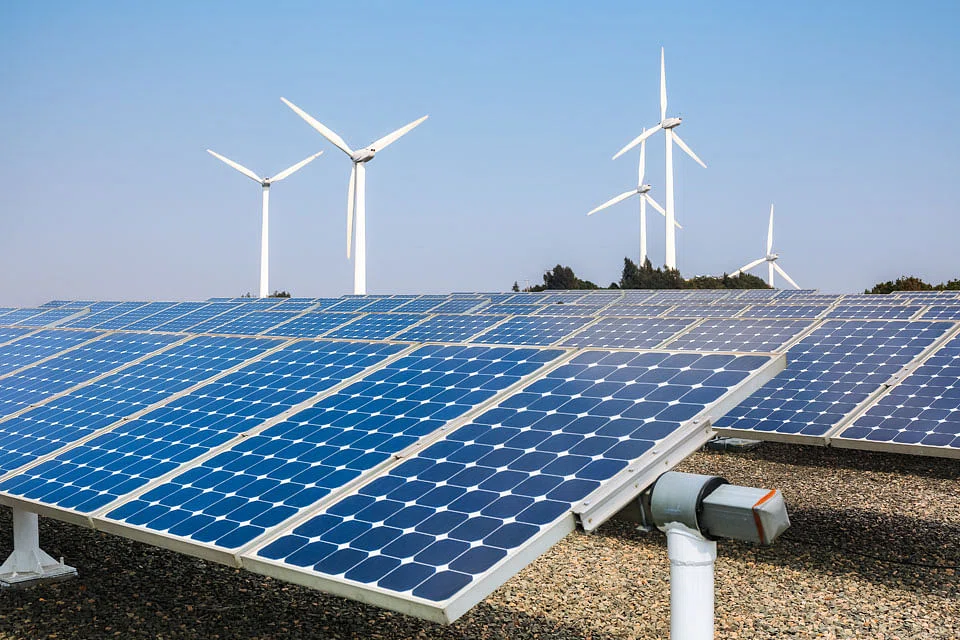
Switzerland is uniquely equipped to position itself credibly as a cleantech nation. The biggest difference between Switzerland and most other countries is that, in Switzerland, cleantech is not just about a few companies working in the environmental technology field, but it is part of everyday life.
The population's respect for the environment is evident in various aspects: from waste collection standards, and MINERGIE® standards which guarantee energy efficient buildings, to households connected to wastewater treatment plants, and the use of all waste to generate energy.
Having to comply with laws and regulations has facilitated the growth of the cleantech industry in Switzerland, allowing the industry to develop an inherent expertise. The sector is wide-ranging in its practical knowledge, leading to partnership projects beyond Switzerland's borders, including solar (eg Megasol), waste water energy recovery (eg InfraWatt), green building technology (eg Keller Technologies), and biodegradable plastic bags (eg BioApply).
FINANCIAL TECHNOLOGY
Switzerland is one of the world's leading financial centres and is characterised by its innovative ability, stability and security. The vastly diversified financial sector includes a high density of banks and financial service providers spanning different fields of activity.
Against the backdrop of one of the world's most modern financial infrastructures, Switzerland's fledgling fintech sector is riding the macro wave of financial digitisation.
As the latest noteworthy development in the financial world, fintech encapsulates a wide range of services from digital wealth management to apps for financial activities. According to Accenture, fintech startup investments tripled last year to S$16.7 billion (CHF11.3 billion), and the figure is set to increase, especially with technology giants like Google and Alibaba expected to join the fray.
With startups increasingly active in this field, the Swiss fintech industry provides solutions across various aspects, including mobile payment (eg OneSnap), wealth management (eg True Wealth), and client advisory (eg eVoja).
In Switzerland, the launch of two fintech incubators, in Zurich and Geneva respectively, now offers a ready-made platform to ensure that fintech solutions meet the needs of the industry. This development coincides with UBS' partnership with technology park BlueLion to invest in fintech startups, and its recent startup competition in Singapore in late 2014.
Almost half of Swiss workers are engaged in knowledge-intensive industries. And with over 3 per cent of its GDP invested in R&D, it is no wonder that Switzerland has the capabilities and know-how to take on the challenges of modern-day globalisation.