

Smart technology for a smart nation
Huawei International's initiatives in Singapore are helping drive the nation's digital evolution
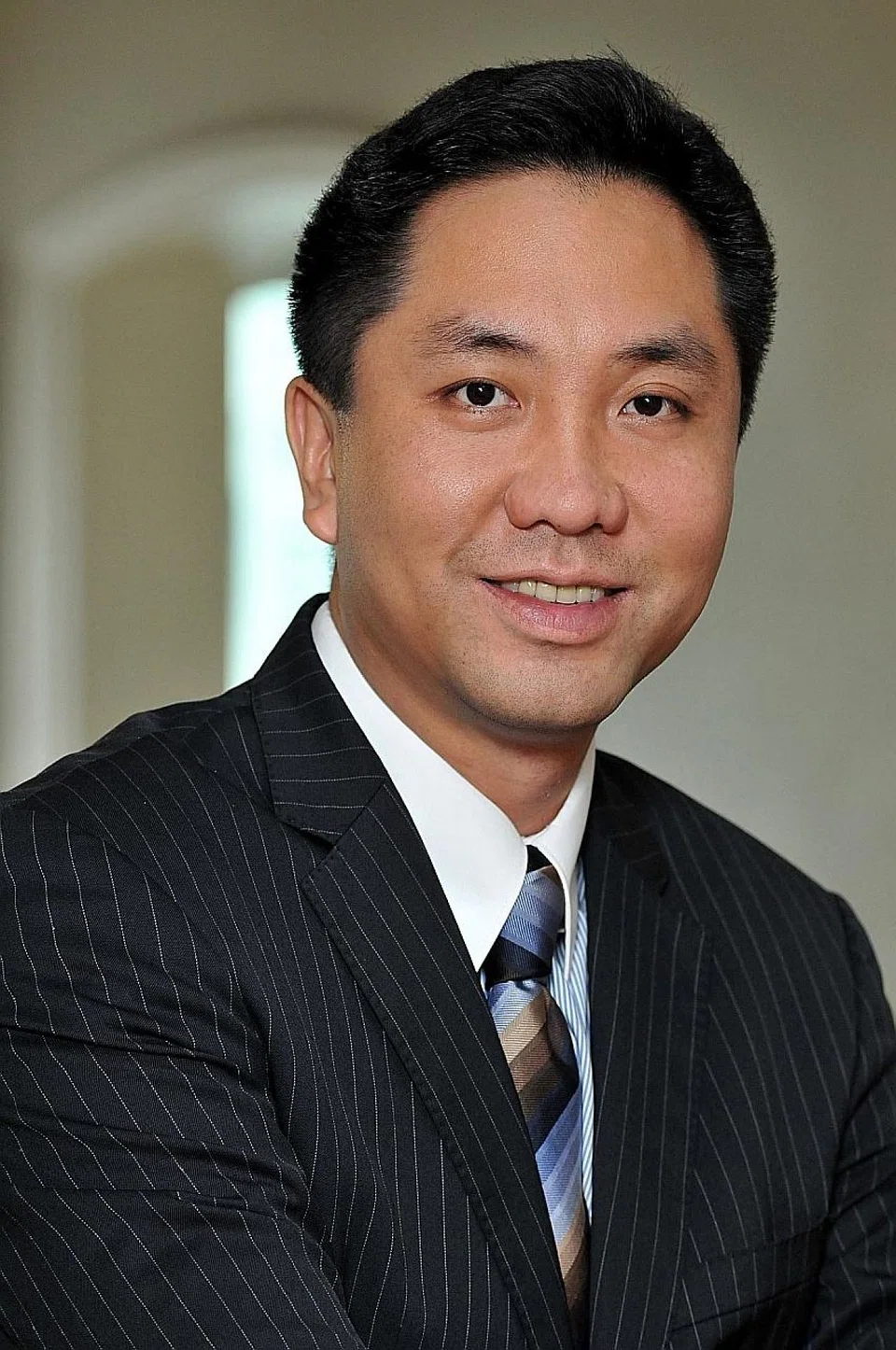
HUAWEI may not be a household name here, but the Chinese telecommunications giant's networks serve many of the world's mobile phone service providers. In Singapore, it works closely with all three of the major telcos - M1, Singtel and StarHub - to drive the technological transformation of the country's mobile network. In fact, more than 60 per cent of users here - numbering in the millions - are using a Huawei-powered network in their daily lives.
"Singapore has always been at the forefront of information and communication technology (ICT) development in Asia, and Huawei is honoured to have been a part of Singapore's strategic ICT sector and contributing to the industry's advancement for the past 14 years," says Zhou Bin, chief executive officer of Huawei International.
He notes that Huawei supported StarHub in its efforts to set up cloud computing capabilities in 2011. Two years later, the company worked with M1 to deploy Singapore's first 4G LTE Network. And recently, in late 2014, Huawei jointly established the 5G Joint Innovation Program with Singtel.
Huawei is also a key technology provider in Singapore's Next Generation Nationwide Broadband Network, the ultra-high speed broadband network that is part of the city-state's Smart Nation master plan to harness the latest technology to improve connectivity across the island. "This has allowed Singaporeans to enjoy a richer broadband experience with more choices and at more affordable prices," says Mr Zhou.
Huawei, which also sells smartphones, is a global giant in the field of telecommunications infrastructure, with one-third of the world's population hooked up to networks that uses its equipment.
It has risen rapidly from its humble beginnings selling telephone equipment to rural Chinese villagers. The company was founded in Shenzhen by a Chinese engineer who was formerly from the military, with a mere start-up capital of US$5,000 in 1987.
Today, founder and chief executive officer Ren Zhengfei is worth more than US$1 billion, according to Forbes, and his company's annual revenue reached US$46.5 billion last year - a 20.6 per cent increase from the previous year.
Interestingly, most of Huawei's total revenue - around 62 per cent - come from overseas markets outside of China. Europe, the Middle East and Africa are its largest foreign markets, responsible for generating 35 per cent of its total revenue, followed by Asia-Pacific (excluding China) at 14.7 per cent, and the Americas contributing the remaining 10.7 per cent.
Working with Singapore
Within the Asia-Pacific region, Singapore remains a strategic market, says Mr Zhou, adding that the company is committed to helping the country achieve its Smart Nation plan. "We believe in driving open collaborations and are currently working closely with the government and industry partners in Singapore on several joint initiatives," he says.
One such partnership is the Green Data Centre Innovation Programme with the Infocomm Development Authority of Singapore (IDA), where Huawei is a member of the technical advisory team, involved in the planning and discussions on building Singapore's first green data centre.
Huawei and the Singapore government also signed a Memorandum of Understanding for joint innovation in December 2014. This initiative seeks to explore the commercial viability of Heterogeneous Network (HetNet) and LTE-M technologies which will build a strong foundation for Singapore's Smart Nation initiative. "This will also fast track Singapore's next phase of industrial evolution in the digital age," says Mr Zhou.
"In the next five to 10 years, Huawei will continue to focus on our pipe strategy and to be a key player in the establishment of 5G technology. We hope to see 5G networks that will bring together 100 billion connections and revolutionise the way we work, play and live."
The company, which has more than 17,000 employees in over 170 countries, has around 720 staff in Singapore. "We also recognise the need of a vibrant ecosystem of developers, innovators and thought leaders to make the Smart Nation vision possible. This is why we work closely with the government and educational institutions to introduce various programmes in order to inspire interest in the ICT industry and groom the next generation of talents," says Mr Zhou.
Such programmes include Labs-on-Wheel, Infocomm Experience Center and its global flagship program ICT Architects of Tomorrow.
For its achievements in Singapore, the company has picked up numerous industry accolades. It won the Frost & Sullivan 2014 Best Practices Award for best broadband vendor, best carrier vendor and best vendor of the year; Singapore Top 1000 Enterprises Award 2014: best supplier, best wireless equipment supplier of the year; and Top 100 IDEAL Employer Award 2013: best supplier, best wireless equipment supplier, best broadband equipment supplier of the year.
Sharing his thoughts on Singapore's growth in the past 50 years, Mr Zhou says that the country looks set to continue to achieve even greater progress and advancements. In particular, the Smart Nation 2025 initiative will be a key driver to the nation's sustainable development. "Singapore's accomplishments over the past 50 years have made it a model of best practice emulated by many countries around the world, and its vision to become the world's first truly smart nation will no doubt be closely followed globally," he says.
"Our wish is for Singapore to continue to harness technology and intelligent networks to realise the full potential of the country's human capital, drive business opportunities and enable meaningful, convenient and sustainable living for all."
TRENDING NOW
Motoring tycoon Peter Kwee is back in court: Here are his previous legal battles

Demand, tech capabilities position Apac and AI as Skyscanner’s next growth frontiers: CEO Bryan Batista

Beyond the greenback, Vietnam’s big borrowers turn to Asian-currency bonds
Nvidia’s outlook cut to stable by Moody’s on governance concerns

