

Stepan Asia saves energy by optimising its plant start-up duration
 Add BT as a preferred source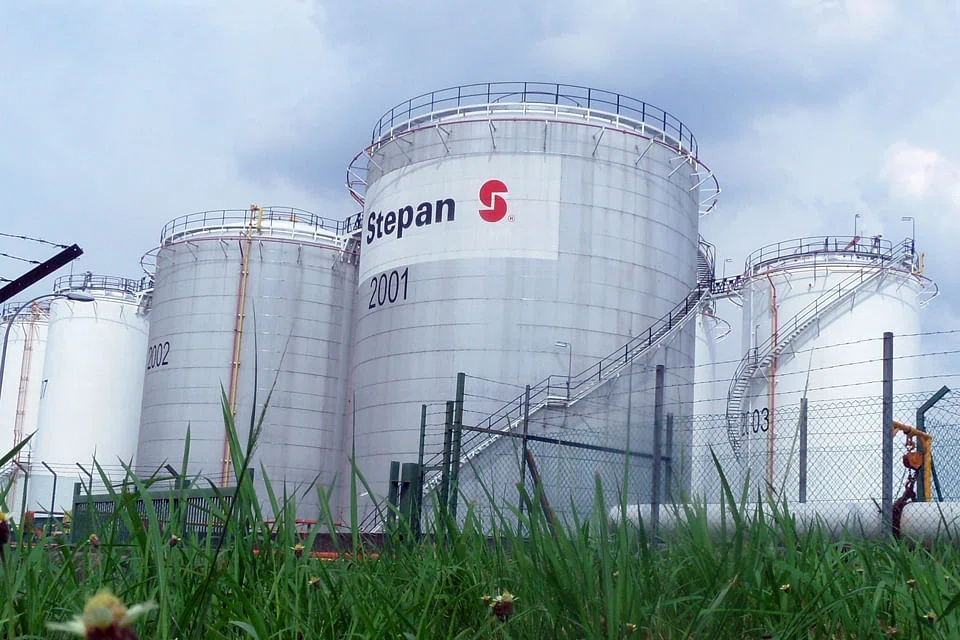
THE third company to receive the award for best practices - which recognises corporate teams which had implemented energy efficiency projects that have led to improvements in the energy performance of their facilities - is Stepan Asia Pte Ltd.
The Stepan Asia plant on Jurong Island is a manufacturing plant to produce methyl ester and further break down the carbon chain in the fractional process.
The company's award-winning project focused on energy saving by optimising the plant start-up duration. Stepan Asia's manufacturing plant operates on campaign basis to produce smaller carbon chain products via fractional distillation of crude methyl ester (ME). During production, crude ME is first produced from raw materials and stored in buffer tank (Day Tank T003).
Typically, the buffer tank is emptied after each campaign for cleaning and removal of impurities from upstream processes. This leads to long start-up times and wastage of energy. Stepan optimised the controls in its upstream processes to reduce the amount of impurities carried over to the buffer tanks thereby allowing it to carry out the following activities to reduce start-up duration and improve specific energy consumption for start-up:
The company says that the project started in January 2018 and the duration of starting up the plant was carefully optimised in order not to compromise the product quality, as well as the process yield.
Data was tabulated after the project was completed and compared against the baseline data. The project resulted in an improvement of the specific energy consumption by 29 per cent and energy cost savings of S$63,899 in 2019.
"The Stepan Asia plant on Jurong Island is a manufacturing plant to produce methyl ester and further break down the carbon chain in the fractional process. Normally the plant is running on campaign basis based on the order from the plant in America. The plant initial start-up was taking about 36 hours and the specific energy consumption especially electricity is very high.
To optimise the plant start-up cycle the idea is to reduce the plant start-up time in order to save electricity," says plant manager Chen Li.
To be competitive in chemical processes is a challenge as specific areas require energy efficiency to reduce overall cash outflow and its indirect contribution for reducing footprint from the industry in global warming.
"The challenges of energy efficiency require innovation in business process and looking for a new thought process for opening new areas in business processes. This is the way to keep the industry relevant and updated with changes happening around us and make each employee proud to be a part of this global effort," he adds.
Mr Chen says that since the major cost element in the process industry is energy cost, a reduction in energy cost benefits the bottom line and has many more intangible benefits. Therefore the participation of all employees in developing systems encourages team spirit and creates a sense of belonging and a good environment for employees to experience job satisfaction.
Being a part of the chemical industry and playing an important role in energy efficiency as part of corporate social responsibility also requires sharing the company's experiences with others for promoting energy efficiency, he adds.
The company encourages new ideas coming from individual employees as this can generate improvements through implementing changes to process steps. Top management has provided all required resources and encouraged team players to think out of the box and managers are trained to identify areas of improvement and to always maintain healthy teamwork.
All the efforts of individuals are recognised and encouraged, says Mr Chen.
Decoding Asia newsletter: your guide to navigating Asia in a new global order. Sign up here to get Decoding Asia newsletter. Delivered to your inbox. Free.
Share with us your feedback on BT's products and services
TRENDING NOW

Ex-Sakae director Ong Siew Kwee handed 10.5-year jail term for misappropriating S$15.8 million, lying in court
DBS sees choppy Q3 for STI as investors pivot from Singapore banks to listcos that’re unlocking value

Yeoh Pei Xien: YTL’s third-gen scion with a pastor’s heart
High Court rejects bid to bring ST Engineering unit into trademark infringement suit over RSAF aircraft parts

