

Topping the news in 2014
THIS WEEK'S TOPIC: What is the most significant news event of 2014, and why?
THIS WEEK'S TOPIC: What is the most significant news event of 2014, and why?
Victor Mills
Chief Executive, Singapore International
Chamber of Commerce (SICC)
THE most significant events of this year are those which demonstrate man's continued inhumanity to man. At a time when the world is remembering the sacrifices and the futility of World War 1, horror is everywhere. Whether it is the mistreatment of the Rohingya and other minorities in Burma, the terrible suffering in Syria and many other parts of the Middle East or the utter insanity of what is happening in Ukraine, we humans prove time and time again that we are our own worst enemies. When will we learn?
The most significant geo-political event in 2014 is Ukraine for which both Europe and Russia bear equal blame. The Europeans have forgotten 1945 and the push by Stalin for buffer states. They have forgotten Russia's consistent fear of encirclement. They might have short memories. The Russians don't.
At home, the most significant event is the continuation of the enviable quality of life and security we all enjoy and which we should never take for granted.
Dhirendra Shantilal
Board Director & Head of Asia Pacific
Fircroft
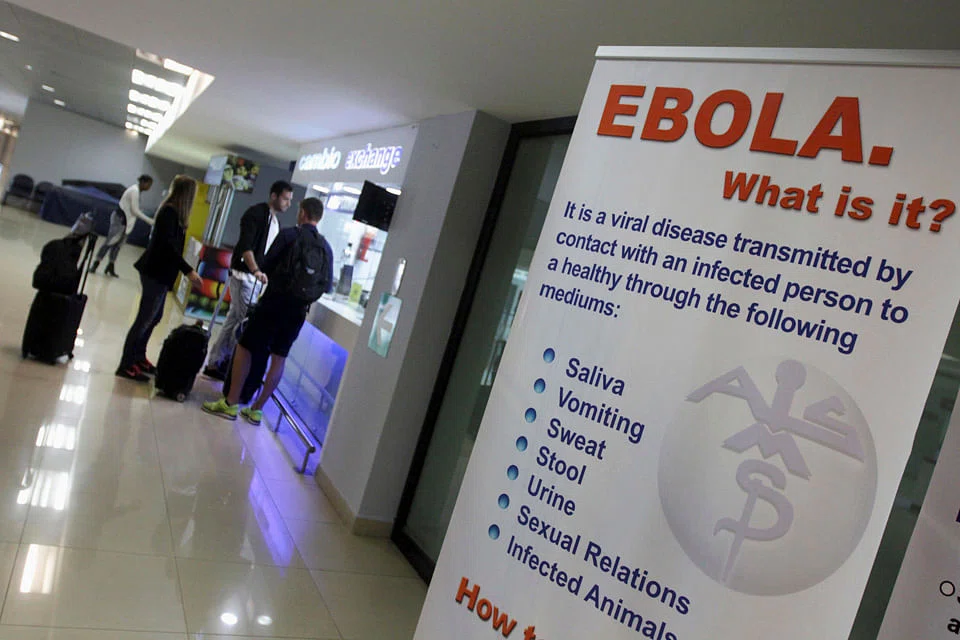
OF all the many major news stories to hit our screens and newsfeeds this year, the most severe Ebola outbreak in history asks perhaps the deepest of questions of modern society. While the situation in the worst affected countries appears to be improving, there have already been at least 5,000 deaths and the spread of the disease to more than 11 countries has raised the spectre of a global pandemic. The possibility of a deadly virus spreading rapidly across continents is one the modern, border-less world needs to confront. This outbreak has forced governments and global institutions to look at the processes surrounding airports, quarantine and infectious disease control. It also underlines that areas of the world cannot be left with just one doctor per 100,000 people as was the case in Liberia. Doctors, funds and supplies from all over the world were required to keep Ebola in check, but the world's initial response was too slow. The more effective cooperation we've seen in recent months offers some hope for controlling the disease and it's the possibility that the world will learn from this outbreak that makes it the year's most significant story.
Tan Chong Huat
Managing Partner
RHTLaw Taylor Wessing LLP
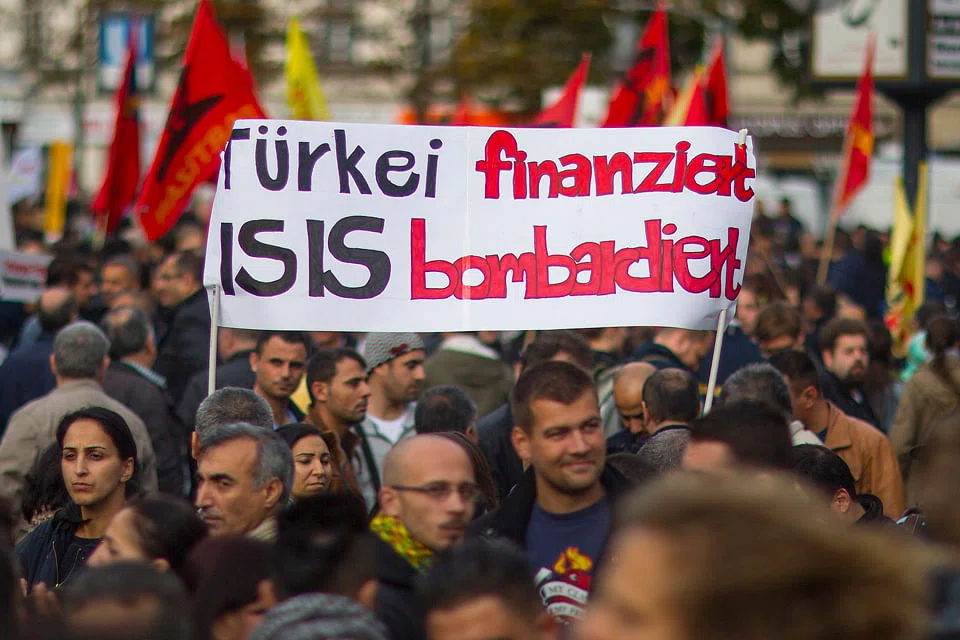
THE most notable news story of 2014 has been the rise of stateless terrorist groups, with ISIS serving as the most vivid example. The rise of ISIS is significant - not only because of the particularly brutal way in which the group operates but, more importantly, the fact that ISIS is not contained to one individual country or specific conflict. This demonstrates the disturbing reality that extremist groups can now operate without borders.
While Singapore is largely considered to be immune from such risks, it is important to remember that ISIS has made inroads near to our own borders, as ithas successfully recruited militants from neighbouring countries.
We are incredibly fortunate to live in a country which is safe, non-violent and governed by the rule of law. We must, however, not let our insulation from such conflicts prevent us from acknowledging the risks throughout the world and in our own backyard. This includes not taking for granted the religious and racial harmony which we have enjoyed all these years. Let us hope that 2015 marks a return to peace and stability around the world.
Ronald Lee
Managing Director
PrimeStaff Management Services Pte Ltd
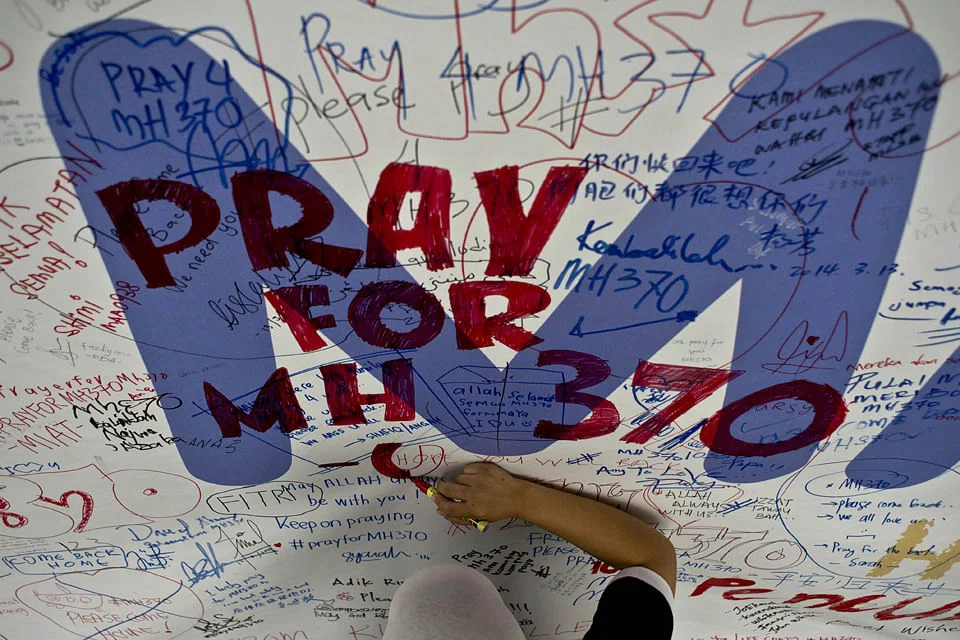
THE most headline-hogging event would perhaps be the tragic disappearance of MH370 that affected multiple countries and remains a mystery till this day. In terms of a geopolitical event, I believe the terror threat of the ISIS militant group in Iraq and Syria is among the most worrying. We have only scratched the surface of this new group that is responsible for the horrific cold-blooded killing of innocent people. Although the tensions are in the Middle East, many Asian countries have begun to be drawn in too, by way of its citizens joining the rebel fighters.
It appears from news reports that the group is rather effective in its recruitment and could be expanding rapidly. This is extremely troubling and there is cause for concern of an impending terror strike anywhere in the world. Another significant event that bears watching is the Ebola outbreak. Thousands of lives have already been lost and the consequences of the epidemic spreading to more countries would be disastrous.
Philip Yuen
Chief Executive Officer
Deloitte Singapore
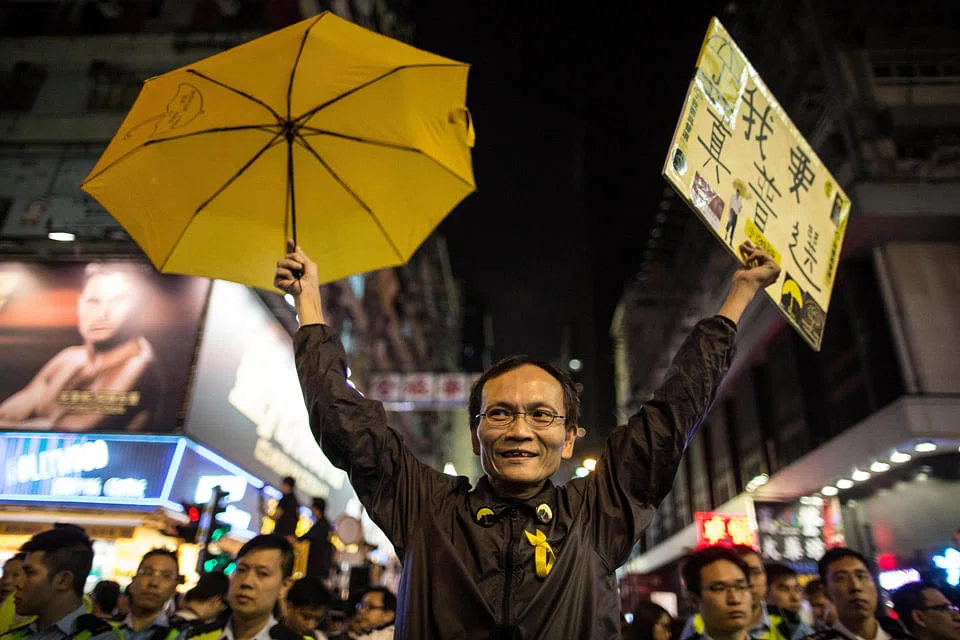
FROM geopolitical tensions to government changes and disease epidemics, there have been so many significant events it is hard to pick just one, especially when the repercussions of some of them are still being felt and analysed. Perhaps more interesting from a long-term perspective is the increasing role that social media is playing in shaping events - for example, the Thai coup, Hong Kong protests and Indonesia elections. All types of people and causes are now strategically leveraging social media and the various platforms are often becoming the primary source of news, prompting ordinary people and journalists to flock to social media to get their information. This will become the norm, and business and government alike will need to consider the impact of the social media savvy population in cyberspace.
As the world becomes more cyber-connected, events concerning cybersecurity have also come to the forefront. Singapore was not spared, with the SingPass scare and the K-Box chain incident, among others, giving a new impetus for individuals, businesses and governments to be vigilant and build up their resilience against cybercrime threats. The cyber threat and the increasing importance of social media mean no organisation can afford not to be digital-savvy in 2015.
Max Loh
Managing Partner, Asean and Singapore
Ernst & Young LLP
FROM news on geopolitical tensions, social conflicts and financial volatility to cyber-attacks and pandemics, 2014 reflects the realities of our increasingly globalised and interconnected world where virtually all organisations are vulnerable to developments unfolding elsewhere, disruptive technologies and a far more complex cyber-world. Perhaps the most pertinent message arising from all these news events is that while anticipating and protecting one's business from possible emerging threats is important, disruptions are likely unavoidable.
Thus, management thinking needs to shift to one of accepting and planning for the inevitable that the business will be disrupted, and stress-testing the business's actual response mechanism to minimise exposure. A comprehensive business continuity management programme that integrates business continuity, disaster recovery and crisis management is a must for businesses. Then there are the ''black swan'' events that remain unidentified and unfold with high velocity and impact, which hopefully, with the increasingly sophisticated use of advanced data analytics, can turn into shades of gray and become somewhat more predictable.
Hans Hanegraaf
Country Executive, ABN AMRO Bank NV Singapore and CEO, ABN AMRO Private Banking Asia & Middle East
FOR me, from a global economic impact perspective, there were a series of significant news events rather than a single outstanding one. Some of these made ripples beyond their home shores with far reaching impact.
The first was the unusual cold weather in the United States in the first quarter of 2014 that led to weaker economic growth in that period. Next was the People's Bank of China's (PBOC's) intervention that weakened the Chinese yuan in the first half of 2014 to warn speculators that hot capital flows into China were not welcomed. This was followed by the Russian/Ukraine crisis and the slide in crude oil prices and, of course, the recent Bank of Japan (BOJ) action to increase monetary stimulus in Q4 2014.The BOJ event is what we had expected, but market consensus sees the BOJ easing in Q1 2015. The US ending its bond-buying programme in October 2014 became somewhat of a non-event as it was well communicated and anticipated, albeit with some minor jitters.
All things being equal, global economic indicators such as the recovery of the US housing market and drop in unemployment figures have strengthened ABN AMRO's view that the global economy is in the early phase of accelerating. For Singapore, over time, the country should be set to benefit from the uplift in the US economy, particularly in the export-oriented sectors and even though growth in the domestic economy may be slower, it will be more sustainable. A caveat though - the current outlook may remain modest in the short term due to headwinds from economic restructuring and an uneven global recovery, but we at ABN AMRO expect global growth overall to pick up in 2015.
Nick Foley
President, SE Asia Pacific & Japan
Landor Associates
THE announcement by presidents Barack Obama and Xi Jinping to work collectively towards a reduction in greenhouse gases is one of the most significant events of 2014. Both leaders took the world by surprise in detailing a joint programme to significantly reduce carbon emissions. The timing of this, just before the G20 summit, should not be underestimated. It was a calculated way to apply the necessary pressure to climate sceptics on a global stage.
The primary significance of this announcement is the message it sends to other countries about the importance of taking appropriate measures to manage climate change. Secondary to this is the significance of two world superpowers, with very different agendas, adopting a bilateral approach on such an important threat. China and the US are the world's two biggest polluters. The decision to align on tackling climate change head-on makes it clear to other polluters that more needs to be done to develop cleaner sources of energy.
Nadeem Sheikh
Vice-President and MD, Asia-Pacific & Japan
Opower
THE biggest news for the planet in 2014 is that the presidents of America and China announced a bold, new agreement to drastically cut greenhouse gas emissions. This agreement is historic, as together the US and China account for over one third of global greenhouse gas emissions. The actions announced are part of the greater effort to achieve decarbonisation of the global economy over time. It will also inject momentum into the global climate negotiations on the road to reaching a successful new climate agreement next year in Paris. Behavioural science, analytics and big data technology have a key role to play in helping change consumer behaviour in order to improve energy efficiency and help meet emissions targets. These approaches have helped achieve over 5.5 terawatt hours of savings for more than 48 million consumers worldwide, equivalent to taking some 80 per cent of Singapore's households completely off the grid for a year.
Joshua Yim
CEO
Achieve Group
IN my opinion, the Ebola outbreak is the most significant news event of 2014 as it has already claimed more than 5,000 lives in West Africa. The horrific tragedy of Sept 11, which killed almost 3,000 people, made it almost the event of the past decade. Although the Ebola epidemic is mainly in West Africa, life anywhere in the world is precious and the number of deaths continues to climb, as the outbreak isn't contained yet. Additionally, there is a ripple effect to Ebola as the economic ramifications of the deadly virus spreading to more countries could be dire. We have witnessed how the Sars epidemic crippled many economies including Singapore's and created a lot of fear in people worldwide. Thus, I think the threat of Ebola spinning out of control, endangering lives and economies, and causing a global pandemic is the most significant issue on the international stage at the moment.
Neeraj Swaroop
Chief Executive Officer, Singapore
Standard Chartered Bank
THE most significant event in 2014 in my view was that ''Free Trade'' made a comeback to the top of the agenda for most world leaders. Globalisation, which was in danger of getting confined to the back room, is now back at the forefront of economic policy making. Trade was a key preoccupation at the Apec Summit in Beijing. Whether it's the Free Trade Area of the Asia Pacific or the Trans Pacific Partnership, Asean stands to benefit from the increased trade and investment with the rest of the world. Singapore is positioned at the very heart of the action.
Even more exciting is the growth story within Asean which is only beginning to experience the benefits of intra-Asean trade and investment. Economic integration will drive its future prosperity - a key step in this direction is the Asean Economic Community (AEC). Asean leaders reaffirmed their commitment to implement the AEC vision by end-2015 at the 25th Asean Summit in Myanmar.
With the AEC in place, there can be more synergy between production bases in the region and hence economies of scale. Removing barriers to trade could create one of the largest consumer bases in the world. In turn, Asean will become an even more attractive investment destination both intra-regionally and from outside the region. With our long history in trade and finance in this region, we at Standard Chartered will continue to facilitate and contribute to this growth journey.
Yash Mishra
Managing Director
Taurus Wealth Advisors
THE most significant event globally, from our perspective, was the Ebola outbreak and contagion. Beyond it being sheer human tragedy, this pandemic had the potential to cause global markets to pull back and demonstrated how interconnected we really are. The Ebola pandemic, more than anything, highlighted the need for adequate and effective risk management. At all levels, risk management was necessary - be it with governments, the World Health Organisation, the travel industry or even individuals. On a personal level, it was necessary to manage risks by ensuring that adequate protection was in place via medical insurance. Financial players needed to ensure that their portfolios could withstand the volatility and had sufficient cash buffers. This is why, at Taurus, our advice to clients emphasises that such unforeseen events can and will happen and, therefore, prudent risk management is a critical component of any long term wealth preservation strategy.
Rick Scurfield
President
NetApp APAC
IT has been a year of digital transformations touching people around the world. From major sporting events such as the Winter Olympics and World Cup, to major business announcements such as the Apple Pay launch and the Alibaba IPO, technology has played a role either behind the scenes or on centrestage.
In the sporting arena, the 2014 Sochi Winter Olympics was the most technologically complex, data-intensive games ever (and the most expensive). Speed, acceleration and positioning data was used in sports such as bobsleighing to give players that extra edge. Even the WTA Finals tournament in Singapore broke ground with coaches using real-time game analytics to advise players on the court.
The rapid growth of Internet-connected devices has driven business transformations, creating a disruptive impact on every industry. Businesses are leveraging on data collected devices to gain deeper customer insight. Organisations are analysing data to help track and predict the spread of diseases.
Looking back in 2014, digital disruption has brought forward great strides in advancement to the way we live, work and play.
Toby Koh
Group Managing Director
Ademco Security Group Pte Ltd
THE most significant theme for 2014 is ''insecurity and unrest''. From the military coup in Thailand, to invasion and annexation of Crimea by Russia, to the downing of Malaysia Airlines Flight 17, unrest and protests in Hong Kong, the world is nowhere close to being a safe and secure habitat. Crime rates have risen globally in part because of the lacklustre global economy. Singaporeans have enjoyed peace and stability for many years - and may well become lulled into complacency.
Let us not forget that it takes great effort, planning and action by our government to create this safe haven. Companies need to rethink their business continuity plans and loss prevention strategy, especially those who trade internationally. Individuals have to reconsider how to protect their families and assets. Risk assessment in the region is getting more complex and unpredictable. It is with constant vigilance and planning that we will continue to enjoy peace of mind for 2015 and beyond.
Marc Mathenz
Senior Vice-President and Head of Asia Pacific
First Data
THE same year the word ''contactless'' entered the Oxford Dictionary, 2014 saw household brand Apple roll out contactless payments with Apple Pay; a significant development as we change the way we pay.
The evolution towards using more secure, convenient and faster payments took a giant leap forward as Apple threw its hat in the ring and joined the many banking and technology companies looking to transform the payments landscape.
With widespread brand recognition and acceptance from consumers, retailers and banks, Apple Pay may just succeed where many haven't, and be the catalyst for a truly mobile and cashless society.
So far it has seen significant uptake in the US. Apple CEO Tim Cook announced that more than one million credit cards were registered on Apple Pay in the first 72 hours of becoming available, already making it the largest mobile payment system in the US. Today, 50 per cent of McDonalds' tap-to-pay transactions are now made with Apple Pay. We are excited to see how Apple Pay - together with First Data security - can revolutionise commerce and payments for tomorrow.
Lee Fook Chiew
Chief Executive Officer
Institute of Singapore Chartered Accountants ( ISCA)
IN 2014, international terrorism reared its ugly head again with acts of violence from militant groups such as ISIS, which have been rightly condemned by nations worldwide. It comes as no surprise that countries are increasingly focusing on efforts to counter terrorist financing. Singapore is also contributing on this front. The national risk assessment report on money laundering and terrorist financing risks is a good start to help both financial and non-financial sectors understand their own risk areas. As the national accountancy body, ISCA is also playing its part with the development of enhanced requirements and guidelines in anti-money-laundering and countering terrorist financing for the accountancy profession to follow. The requirements were developed with international best practices in mind, and fulfil the stringent standards set by the Financial Action Task Force. As professional accountants play an important role in safeguarding public interest, such efforts help contribute to the wellbeing of Singapore and also support the global movement to combat money laundering and terrorist financing.
Tan Mui Huat
President and Chief Executive Officer, Asia Region
International SOS
I AM hard pressed to single out the most significant news event for the year, but headlines on health and security risks in 2014 have certainly served as grim reminders of the interconnected world that companies operate in today. Be it a development closer to home, such as the Bangkok military coup, or an epidemic like West Africa's Ebola outbreak, Singapore's companies felt the potential impact on business continuity equally, evident from the fact that many clients approached us for advisory and assistance in both instances.
During the Bangkok military coup and Vietnam riots, International SOS issued travel advisories and daily updates on the ground situation to its clients. And, as part of the ongoing fight against Ebola, International SOS has set up a dedicated website to provide members of the public with essential information on the outbreak. In addition, we launched a free mobile application where individuals can access the latest news and developments on Ebola.
Against the backdrop of political events, natural disasters, emerging infectious diseases, and a growing number of business travellers and international assignees around the world, companies are increasingly concerned about fulfilling their duty of care. This means maintaining their employees' wellbeing, security and safety when they are working, posted on international assignments or based in remote areas. Prevention and employee health education will continue to be top of the corporate agenda for many.
If there is anything this year's headlines have taught us, it is that organisations must always remember to put people first.
Bryce Boland
Vice-President and Chief Technology Officer, Asia Pacific
FireEye
IN cyber security, 2014 will be remembered as the Year of the Data Breach. Not only were there many breaches, they made the headlines, cost businesses billions of dollars, and we started seeing boards of directors being held responsible for the business impacts. In December last year, American retailer Target was hit, with over 110 million customers' records stolen, and in 2014 we saw high profile breaches at numerous businesses - Snapchat, KB (Korean credit card agency), Orange, KT (Korea Telecom), eBay, Community Health Systems, Google, Home Depot, JP Morgan Chase ... the list goes on. Closer to home, more than 315,000 Singaporeans had their personal details made public by a hacking group. And, as I write this, Sony Entertainment has suffered a huge breach that has not only exposed records but also resulted in their business being seriously hampered by the attacks.
The days of cyber security being the accountability of the IT department is truly over. It is a fiduciary responsibility to ensure your business is adequately protected from cyber threats that can destroy the value of your business in the blink of an eye. Boards need to make cyber security an agenda item before it becomes the agenda in 2015.
Low Lee Yong
CEO
MHC Asia Group Pte Ltd
CARPENTRY is an immensely useful skill. In the history of mankind, we've had quite a few carpenters shape the world as we know it today. Just to name a few - one created building blocks for children and taught them to ''play well''; two created beautiful music that still inspire lovers today. Another one fathered a son that changed the South East Asian political scene in 2014 - by this I am referring to Jokowi, the simple man with humble roots who became the seventh President of Indonesia.
You see, there's something about underdogs changing the world that stirs our hearts. They prove that meekness triumphs over brute force; that power and corruption is won over by compassion and a heart to do good; that lack of pedigree is no barrier to taking on the elites. But most of all, they give us hope.
Stephen McNulty
Managing Director - Asia Pacific and Japan
Progress Software
THE appointment of Joko Widodo as Indonesia's new president has been one of the most eventful highlights of the year due to the politico-economic implications to the country and fellow Asean nations. Kicking off his term in office with a number of noteworthy reforms, including slashing his Cabinet's travel budget and raising the price of subsidised fuel, the new Indonesian leadership holds many promises for the country's economy - good news for corporations operating in the country.
Mr Widodo's commitment to improving the ease of doing business by eliminating unnecessary bureaucratic processes and centralising licensing procedures will attract more investors and foreign companies. As a multinational corporation that considers Indonesia a key growth market, Progress Software applauds the new structure and policy that the Indonesian government is implementing to improve the overall business environment and strengthen its position as South-east Asia's largest economy.
Stree Naidu
Vice-President, Asia Pacific and Japan
Imperva
THE past year has seen a spate of data breaches and hacker attacks in Singapore and worldwide - the most notable being the Heartbleed bug, the most widespread security threat to date affecting not only organisations but also individuals. Heartbleed served as a reminder for organisations to review their security infrastructure and processes. For consumers, it was a reminder that we need to be more discerning about who has access to our private information and how we protect it.
This year was a definite turning point in the security space. We're seeing governments as well as private organisations starting to intensify investment and collaborations to help secure cyberspace. While previously the focus was on securing networks and endpoint solutions such as mobile devices, there is now more awareness of the need to secure the data itself, which is Imperva's forte. We hope that 2015 brings further advancement in cyber security, with a shift from awareness to action.
Robin C Lee
Group COO
Bok Seng Group
THIS has been a blockbuster year. Not only did we have our yearly fill of financial roller-coasters and typical conflicts over oil and borders, but there were also new menaces, in some cases the likes of which we had never encountered before, such as the Ebola epidemic. In one corner, the ever-widening wealth gap is wrecking social havoc, which we honestly could do without, considering we are under siege from another side by increased frequencies of natural disasters. In addition, the printing of money with more interest and oil price manoeuvrings are not new occurrences; yet the world will inevitably want to justify and explain the need to do so if just to push away the problem.
All these acts, of our own will, will ensure that we continue depleting our world's resources just so we can satisfy and pander to the needs of the expanding and over-consuming high and middle-income classes. If countries continue to create artificial wealth and businesses continue to profiteer with no concrete efforts to ensure their practices are sustainable, our next generation will suffer the hard and painful backlash. Despite all these, what's past is not worth mentioning - it is the future that counts. Straight from the idealist in me, I hope 2015 will be a blessed year with zero disasters and zero social unrest, with world peace and, hopefully, the market will finally snap out of its insanity. Above all, I hope Singapore and all Singaporeans will have a ball of time celebrating our SG50.
David Leong
Managing Director
PeopleWorldwide Consulting Pte Ltd.
DIVERGENT policy paths taken by major countries leading to more nationalistic posturing and confrontations were grave concerns in 2014. It seems like this is the year of divisiveness. Dispute between China and its neighbours over the Spratly Islands in the South China Sea; China and the US each over-asserting in the promotion of their ''own'' Asia trade pacts. The escalation of tension between US/Europe and Russia over Ukraine is also affecting trade and oil flow in the region. Even domestic politics is mired by divisiveness and dissent - the Scots seeking to leave the UK, the coup in Thailand, Hong Kong's student protests splitting Hongkongers as regards their allegiance to Beijin ... 2014 is a year that divided. What is divided must be reunited and I hope that 2015 will provide a time for the world to heal the divisiveness.
Christophe Duchatellier
CEO
Adecco Asia
THE most compelling news event for Adecco globally in 2014 would be youth unemployment - primarily in Europe - which reached record highs in 2013 and became more acute in 2014, compounded by the global economic turmoil. Indeed, experts foresee that youth unemployment will not fall back to pre-recession levels until 2018, a full decade after the financial crisis first struck.
While Singapore has one of the world's lowest youth unemployment rates, the situation is rather more bleak in other parts of the world, with almost 300 million people aged 15-24 being unemployed. Globally, the highest youth unemployment rates are found in the Middle East and North Africa, where nearly one in three young people (in the labour force) are unable to find jobs. Young women, in particular, are under-represented in the workforce with unemployment rates approaching 45 per cent in some areas. There is a growing gap between the skills acquired in education and the nature of jobs available.
In essence, nearly half of the world's youths are either outside the formal economy or contributing less productively than they could. To address this, Adecco designed the global Way to Work contest that invites students to compete and win paid-for work experience from Adecco. This includes a ''Career Street Day'' where Adecco employees around the world go out in the streets to help young adults find jobs.
Paul Lim
Chief Executive Officer
Soverus Group Pte Ltd
ON the international front, the downing of MH17 near the Ukraine-Russia border in July, resulting in the loss of close to 300 innocent lives, is one of the saddest events that jolted my mental compass towards today's priorities. Subsequent reports that our own national carrier had a flight within 25km of MH17 (shorter than between Jurong and Changi) when the latter lost contact with air traffic controllers added a cruel reminder of how close we were to the fateful flight and deepens my grief with those who lost loved ones in the tragic incident.
At a personal level, I am reminded to be thankful for family and friends, and be ''present'' today for all whom I can be a part of. From a business angle, I am reminded of how the free-market economy of cut-throat competition can sometimes result in risk management calibration challenges versus profitability or even survival.
On the local front, the most significant story is the long-awaited announcement of the legislation of the Progressive Wage Model (PWM) for the security industry announced by the Ministry of Manpower and the labour movement in October. Many Singaporeans take for granted the important role played by the private security industry in complementing the state police in ensuring the safety and security of Singapore. There is an acute shortage of security officers in Singapore. The demand is estimated to be 45,000, filled by an active pool of 35,000 workers.
Many job seekers are put off by the long hours, low pay and non-glamorous work of a security officer. The market failure in this job sector results mainly from the asymmetrical information between buyers and sellers of the services, and the low barriers to entry - more than 270 security agencies are vying for a share of the S$1billion (annual) pie. With the PWM stipulating a minimum basic salary of S$1,100, which is a 30 per cent increase from the current median level, and a clear career path for security officers, the industry's image, professionalism and productivity will spiral upwards. The PWM will level the playing field for Soverus which has already been paying the minimum basic wages since a year ago for most of our security workers. I hope that this PWM announcement will herald greater attention from both the government and the general public on the marginalised professions in Singapore, which for now includes cleaners and security workers. They fill a big gap of services that we can't live without, yet nobody wants to do the job unless as a last resort.
Eric Lim
President
The Institute of Internal Auditors Singapore
SINGAPORE'S Personal Data Protection Act (PDPA), which came into effect in July 2014, shows Singapore's recognition of individual rights to data privacy and strengthens Singapore's competitiveness as a global business hub. Organisations in Singapore have legal obligations to protect personal data in their data collection, use and disclosure in the course of doing business. Companies may still be coming to terms with the new compliance requirements and there are a few companies that have been found guilty of violating the PDPA. Organisations need to have a thorough understanding of the PDPA to establish a comprehensive data management framework, policies and procedures to comply with the PDPA. Internal audit can play a valuable role in keeping the organisation on its toes in complying with the PDPA, and in evaluating the potential gaps in the organisation in its collection, use and disclosure of personal data.
Katherine Cole
Regional Director
Hotels.com
THIS has no doubt been an eventful year, impacting the travel sector with each twist and turn. From the depreciating Japanese yen to the political unrest in Thailand, each episode has undoubtedly created a knock-on effect on Singaporeans' travel habits.
Take, for instance, the yen. Despite the yen being at a six-year low, there are signs that Japan is on the road to recovery. For one, the increased affordability to the country has provided more reasons for travellers to visit, which will boost tourism receipts. In fact, the latest Hotels.com data shows that Tokyo has emerged as the second most popular destination worldwide for Singapore travellers for the year-end festive period - signifying the gradual return of traveller confidence to the ountry.
For 2015, we expect travel momentum to continue in the new year, with Asian destinations riding high on Singaporeans' travel agenda as the region progressively recovers from the turmoil of 2014.
Dora Hoan
Group CEO
Best World International Ltd
TO me, the Ebola outbreak has to be the most significant news event of 2014. Thus far, it has claimed thousands of innocent lives. Even the lives of loving caregivers, compassionate hospital staff, caring volunteers were not spared. It is a loss that does not make sense. It left family members devastated over the sudden death of their loved ones. Some may have difficulties coping with the loss, leaving them unsure and vulnerable, especially the old and the very young. It may take them a while to accept reality, re-organise their lives and start all over again. My heart goes out to them. Often, in our quest to provide a comfortable lifestyle for our family, we fail to really make an effort to have quality time with them. The Ebola crisis makes me feel life is so precious, and it can be taken away so unexpectedly and suddenly. For this reason I would like to urge all to cherish your loved ones, hug them tight, share with them your heart and your time.
Wong Heng Chew
President
Fujitsu Singapore
IN June, the government announced its vision for Singapore to become a ''Smart Nation'' by tapping the latest technologies to help make life better for people in the country. This is a significant milestone in Singapore's ICT journey as it will not only transform our day-to-day lives but offer many opportunities for growth, innovation and collaboration. For example, allowing the public to share geospatial information and contribute data to log traffic accidents, hazards and other information in real-time is an exciting prospect indeed.
Since then, we have seen multiple announcements contributing to the big vision. Creating a ''Smart Nation'' is also very much in line with Fujitsu's ethos of human-centred design which prioritises people throughout all of our activities. Recently, Fujitsu, in partnership with A*Star and SMU, launched the Urban Computing and Engineering Centre of Excellence in Singapore, aimed at addressing the multitude of challenges highly urbanised cities frequently face. By harnessing high performance technologies to develop solutions for issues such as crowd mobility and transport engineering, it is certainly our hope that we will come one step closer in turning Singapore's vision into reality.
Lim Soon Hock
Managing Director
PLAN-B ICAG Pte Ltd
TEAM Singapore's performance at the 2014 Glasgow Commonwealth Games is the most significant news event of the year. It affirmed that our investments in developing sporting talents are continuing to bear fruit. Singapore created history by winning the first ever swimming medal at the event.
Singapore should actively promote excellence in non-economic activities, such as sports.There is no reason why Singapore cannot excel to match that of other smaller nations, such as New Zealand or Jamaica.
Critical to our long-term success is heartware, beyond our hardware (such as our new Sports Hub) and software delivered by our Sports School, as an example. It is time that sports be promoted to be widely accepted as a profession like any other. It is an alternative pathway (alongside the paper route of academic qualifications) to build a person's career and future, in line with the government's recent push to promote skills and experience.
We have many reasons to celebrate Team Singapore's success. Sports can uplift and enrich our nation's hopes and aspirations.
Wouter van Wersch
SVP East Asia Pacific & President
Alstom Singapore
FOR me, 2014 has been both challenging and fruitful for enterprises. Notwithstanding the various economic issues, the public infrastructure has come under ever increasing spotlight this year with debates in the US, Europe and rest of Asia dominating headlines. How do we transport people and ensure a safe and secure journey as well as the availability of power in support of the world's daily life has been keenly discussed.
Countries worldwide are acutely aware of the need for a sustainable and efficient energy model. Here in Singapore, Nanyang Technological University, along with 10 other world leading organisations, are working on the first and largest hybrid micro-grid in the region. Under the Renewable Energy Integration Demonstrator-Singapore (REIDS) initiative supported by the EDB and NEA, the micro-grid will test and demonstrate the integration of solar, wind, tidal, diesel and gas energy sources and ensure that they work well together.
As Singapore pushes for greater self-sufficiency in its energy production, cleaner and more efficient energy sources, as well as the optimisation of the integration and distribution of a power mix is of utmost importance. The next few years will be extremely promising for Singapore's power industry, and the island-state is ideally placed to surmount any challenges posed.
Laurent Dedenis
President, International Operations
Acumatica
THE long tail of the Arab Spring, the power struggle in Ukraine, the emergence of cross-border terrorist ''armies'' have started to transform the World Order and will continue to do so for the next 25 years. The world as we knew it post-second world war and post-Sept 11 is dead. What will the world leaders do in order to apprehend the new World Order? Can 21st-century politicians manage our New World?
Alick Chia
Director, Business Support
SKF Asia Pacific Pte Ltd.
FOR Singapore, the following key events and developments could pose serious threats to our development and we should be concerned and keep a watchful eye as they could greatly affect our lives and the economy.
The threat posed by ISIS sympathisers from the region who return to their home countries after joining the extremist Jihadist group's activities in the Middle East. How the regional governments monitor and manage the returnees is very crucial to the region's security and peace.
The threat of geopolitical conflict in north-east Asia could destabilise the entire Asia-Pacific region. Any conflict will affect Singapore's growth prospects as we thrive on peace, stability and economic growth in this region. We hope China will exert its power in a peaceful manner.
The risk of the global spread of Ebola is another serious threat that could affect Singapore's open economy. We are dependent on tourism to contribute to our growth and a serious epidemic will affect global travel.
Finally, we in Singapore look forward to new and positive initiatives by both the new Indian and Indonesian governments that can help spur regional growth. There is great potential that these two new governments can bring to this region if positive initiatives are initiated and well supported by their people.
Valery Muyard
General Manager
Volvo Trucks Singapore
THROUGHOUT 2014, we have seen a significant amount of attention on increasing fatal road accidents involving children and the elderly - a group who are most vulnerable to traffic accidents. Every year about 1.2 million people are killed in road traffic accidents worldwide and will be the fifth most common cause of death throughout the world by 2030 if this trend continues. As global traffic volumes increase, there is an evident risk that the number of serious traffic accidents will continue to rise. This trend can be reversed by increasing road and vehicle safety levels as well as educating and equipping the public with hands-on knowledge and tips on being safe on the roads with programmes such as ''Road Safety at Eye Level'' Programme by Volvo Trucks Singapore.
Pang Yee Ean
CEO
Surbana International Consultants
THE recent announcement by the Public Service Division to attract and retain engineers is a step in the right direction and is needed to boost the engineering profession in Singapore. The engineers of the future will need to be multi-disciplinary creative problem solvers who have the passion to find solutions for many issues like global warming, food shortage and over population. Reviewing the salaries and offering job rotation of engineers in the Public Service is a good starting point to ensure the right recognition for the kind of work that is done. Igniting the passion of engineers to want to make a difference in the world through their engineering skills is another area we should look into. This could be done through education programmes to inspire students to be the next Leonardo Da Vinci and also industry awards to recognise innovation through engineering.
Hari Krishnan
Managing Director
LinkedIn Asia Pacific & Japan
AS Asia's economic clout grows, the interplay between macroeconomic developments in the region and the impact on businesses worldwide fascinates me, as we serve clients and members across the globe. So news about the latest rounds of monetary easing in Japan and China are top of mind for me, as is Alibaba's debut on the NYSE marking the world's biggest IPO ever.
As a Singapore Permanent Resident, I am naturally also interested in the local news headlines, such as how Singapore is on its way to becoming the ''Silicon Valley'' in Southeast Asia, and the latest cooling measures for the property market.
As a professional, it's interesting to me that the top opinion/story published on LinkedIn in 2014 is about how successful people stay calm, pointing to the strong appetite professionals around the world have for insights and advice that can help their careers.
Sam Yap
Group Executive Chairman and Co-Founder
Htwo Investment Holdings Pte Ltd
INDEED 2014 has been an eventful year on the news front. A number of geopolitical tensions did cause a stir, especially to economies with close ties with the affected regions. In my view one particularly significant news event is the disappearance of MH370 in March. It generated so much interest all over the world, including all manner of speculation and theories about what happened, and caused tremendous anxiety among people everywhere. Nine months on, there is still no closure and it remains a huge mystery. I believe there was impact on airline travel to some extent.
The Ebola outbreak in West Africa is also something that we should be mindful about. It shows how vulnerable we can be if we do not take active steps to be prepared in managing such disasters. Everything can come to a stop when you are hit by such a disaster.
Eric Hoh
Vice-President, Asia South and Korea Regions
Symantec
IF 2013 was the year of mega data breaches, 2014 has cast major vulnerabilities and cyber espionage into the spotlight. This year saw the end of Windows XP support, discoveries of the Heartbleed vulnerability, ShellShock bug and Regin spyware, and the alleged global theft of over 1.2 billion usernames and passwords. Closer to home, there were high profile incidents where hundreds of thousands fell victim with their personal details hacked, and the Personal Data Protection Act came into effect. It is in this broad context that the launch of Singapore's Smart Nation initiative takes on increased significance, and security will play a most important role as we seek to use the latest technology to our advantage. Looking ahead to 2015, the security and telecommunications industry will have to continue working side by side with the government to ensure we achieve this vision of a Smart Nation.
Annie Yap
Managing Director
AYP Associates Pte Ltd
THE most significant news event of 2014 would be Indonesia's presidential elections. The election showed how social media has aided the country's democratisation process. Although the use of social media was prevalent during Obama's 2008 election, it is especially significant for Indonesia's. For the first time, Jokowi, unlike his previous counterparts, is not from a wealthy family or from a line of political leaders. Moreover, Indonesia's traditional media outlets are owned by politicians and news coverage tends to be rather one-sided.
Hence, campaigning efforts were limited. Hashtags such as #JKW4P and #PresidenJokowi were trending all over Twitter together with selfies of Indonesians at the polls, encouraging more voters to take part in the elections. Social media hence allows for participatory democracy, especially among the younger voters, and this is a trend that we expect will remain as the voices of people are getting increasingly vocal.






