Working hard to make a difference
Unilever aims to positively impact one billion people globally by 2020 through its ambitious sustainability blueprint.
BUSINESSES around the world are starting to realise that focusing on sustainability is no longer just nice to have, but rather a must-have in a world afflicted by climate change. One firm advocate of this belief is Anglo-Dutch multinational consumer goods company Unilever, which has put sustainability at the core of its global business.
The UN Secretary-General has estimated the costs from environmental disasters since 2000 to be around US$2.5 trillion. Unilever puts the cost of these events on its own businesses at around 250 million euros (S$372 million) to 300 million euros a year. The company's many brands stretch across consumer products in nutrition, hygiene and personal care, and can be found in millions of homes across 150 countries.
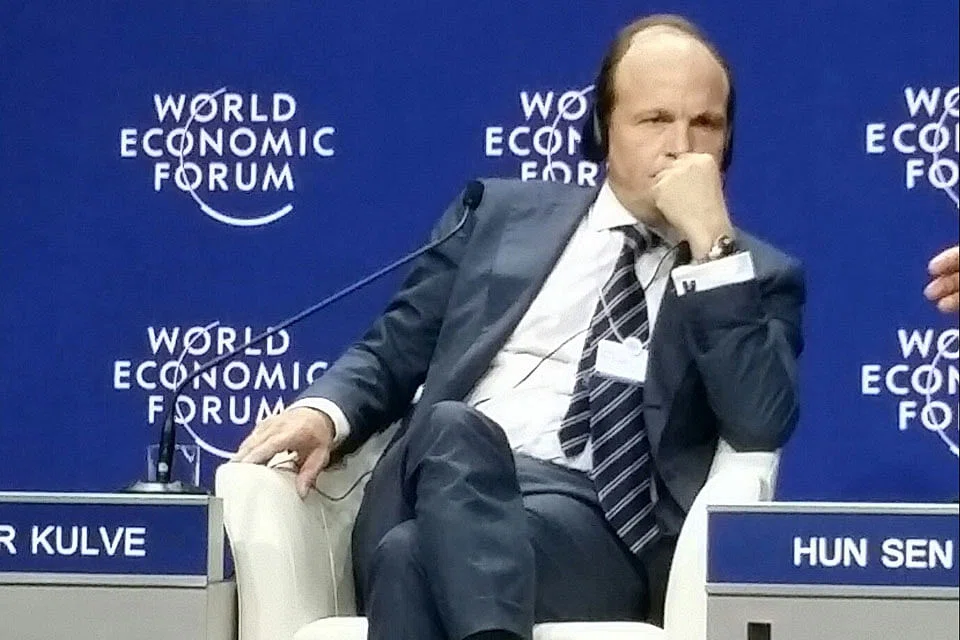
"Unilever sees sustainability as not just a moral imperative but also an economic one. Sustainability is integral to our business strategy in order to future-proof our business," said Peter ter Kulve, Unilever's president for South-east Asia & Australasia.
"It helps drive profitable growth for our brands, reduces risks and costs, and fuels innovation. Through our Sustainable Living Plan, we aim not only to make our own operations sustainable, but also to make sustainable living commonplace."
Announced in 2010, the Unilever Sustainable Living Plan (USLP) is the company's blueprint for its sustainability efforts. It aims to double the size of the group's business while reducing its environmental footprint and increasing its positive social impact.
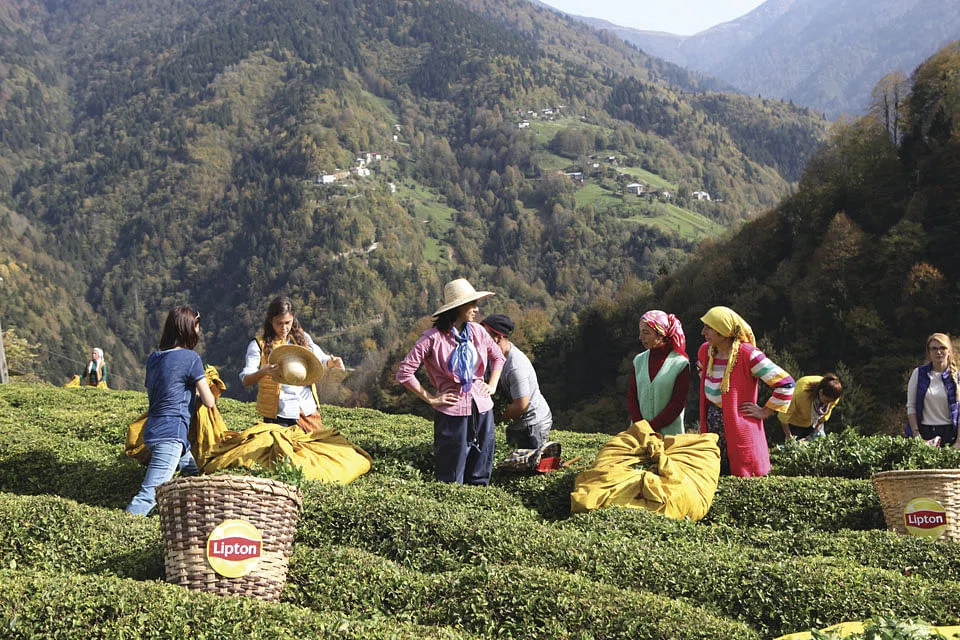
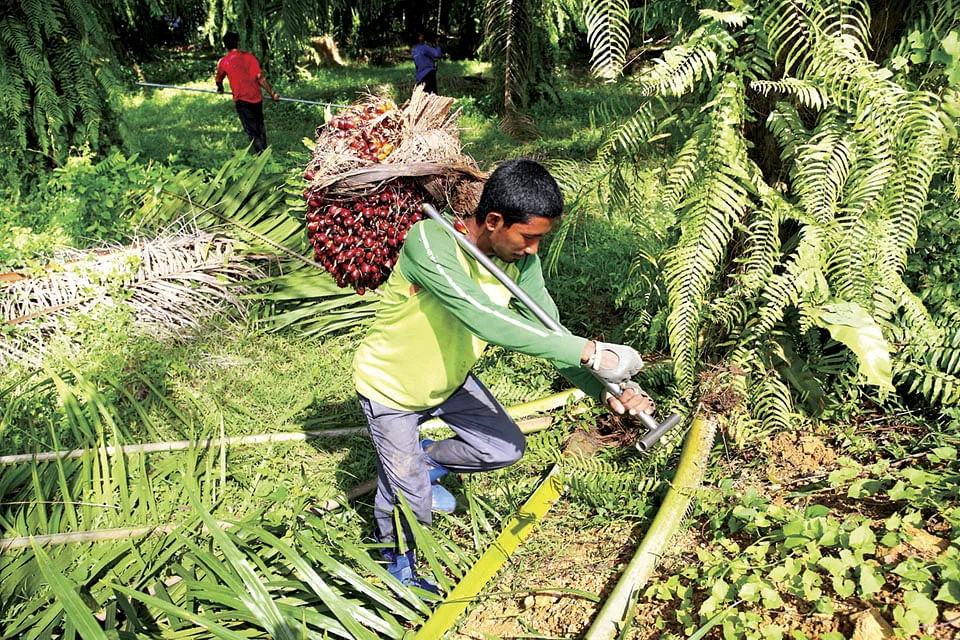
Under the plan, the company works with partners to focus on areas such as deforestation and climate change; water, sanitation and hygiene; and sustainable agriculture and smallholder farmers. Through this blueprint, the company ambitiously aims to positively impact one billion people globally, source 100 per cent of its agricultural raw materials sustainably and enhance the livelihoods of millions of people in their value chain, including empowering five million women globally by 2020.
"By putting sustainability at the heart of our business model, we aim to create a virtuous circle of growth: the more our products meet social needs and help people live sustainably, the more our brands become part of the solution, and the more we grow," said Mr ter Kulve.
The company also benefits from lower costs by managing its resources such as energy and raw materials more efficiently, and it is able to reinvest the savings in sustainable innovation and brands, he added.
Sustainability has delivered positive business results for Unilever. Brands within the group - such as Lifebuoy, Dove, Comfort and Pureit - that have integrated sustainability into their core operations all grew by double digits in 2014.
"This is well above the company average. This proves that sustainability must be an integral part of a business strategy and it results in profitable growth," said Mr ter Kulve.
The USLP has also delivered over 480 million euros in cost savings since 2008 through efficiencies achieved across its manufacturing, logistics and operations. Meanwhile, the group has shrunk its environmental footprint, reducing CO2 from energy and water in manufacturing by 37 per cent and 32 per cent per tonne of production respectively since 2008.
Beyond the hard numbers, Unilever's commitment to sustainability has boosted staff morale and upped its attractiveness as an employer. "It increases retention and productivity as people care about what they are doing and can see the impact they can have on people's lives," remarked Mr ter Kulve.
The company was named by social media site LinkedIn as the top three most sought after employers in the world in 2014 alongside Apple and Google.
Unilever is leveraging Singapore's leading position in the area of sustainability to help create a brighter future for the Republic and the wider region.
"Singapore's strategic position in the heart of Asia makes it well-positioned to bring together industry leaders, policy makers and NGOs to realise and commit to sustainable development objectives," said Mr ter Kulve.
The company is a founding member of the Grow Asia Business Council, which comprises global and regional business leaders who lead an effort to strengthen a sustainable and inclusive agriculture sector in Asean.
Going forward, Unilever is looking to work with more like-minded partners to achieve its ambitious sustainability goals.
"The next steps in our sustainability journey will see us stepping up our engagement with governments, NGOs, industry partners, through forming partnerships by demonstrating change, in areas such as deforestation, sustainable agriculture and universal access to safe drinking water, sanitation and hygiene, where we believe we have the scale, influence and resources to make a big difference," said Mr ter Kulve.