197,000 lower-wage workers to benefit from Progressive Wage requirements from Sep 1

Nisha Ramchandani
THE new progressive wage moves that kick in on Thursday (Sep 1) are expected to benefit 197,000 full-time, lower-wage workers, the Ministry of Manpower (MOM) has said.
From Thursday, companies which employ foreign workers must pay all full-time local workers at least the local qualifying salary (LQS) of S$1,400.
The 159,000 full-time, lower-wage workers who are not in Progressive Wage Model (PWM) sectors will benefit from this, in that their wages will not slip below S$1,400. Part-time local workers will need to be paid at least S$9 in gross wages hourly.
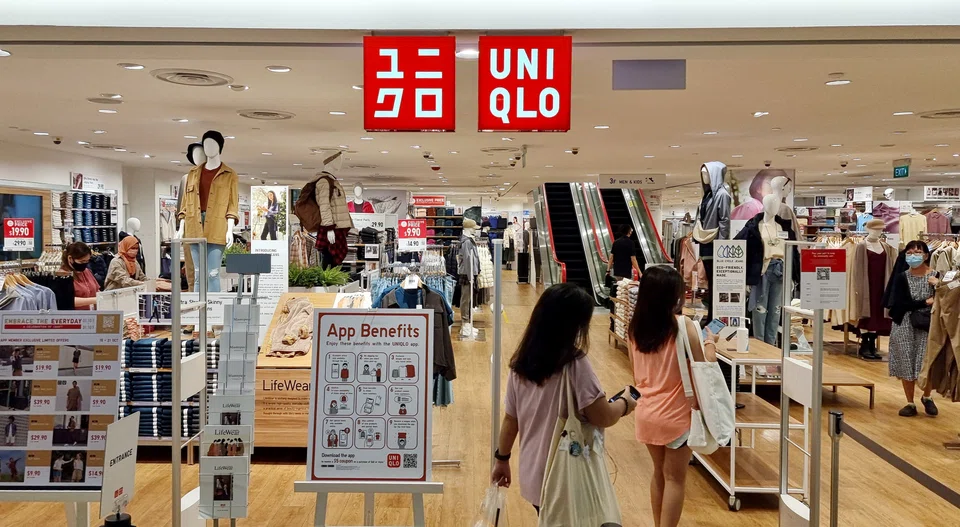
Some 19,000 full-time, lower-wage retail workers will benefit from the PWM for the retail sector, which aims to lift their wages, enhance their training opportunities and improve their productivity. The entry-level PWM wage will rise 18 per cent over 3 years.
The MOM also said in its statement that the PWM for the cleaning, security and landscape sectors will be extended to include in-house workers. It applies only to outsourced workers at the moment. This means those employed in-house by hotels, facility management firms, food-services firms and other businesses have to be paid at least the PWM wage corresponding to their job roles. About 19,000 full-time lower-wage workers will benefit from this.
These were part of the broader set of Progressive Wage moves unveiled by the Tripartite Workgroup on Lower-Wage Workers last year.


From September 2022 to February 2023, tripartite partners will work on education employers on the various requirements; employers will be given time to adjust and comply, the MOM said.
The government is co-funding the wage increases via the 5-year Progressive Wage Credit Scheme, which will run until 2026. Co-funding support for 2022 wage increases was recently boosted from 50 per cent to 75 per cent for wages up to S$2,500, and from 30 per cent to 45 per cent for wages above S$2,500, up to S$3,000.
“Employers are urged to use this period of support from the government to accelerate firm-level productivity improvements, so that the wage increases remain sustainable for employers in the long run,” the MOM added.
Decoding Asia newsletter: your guide to navigating Asia in a new global order. Sign up here to get Decoding Asia newsletter. Delivered to your inbox. Free.
Copyright SPH Media. All rights reserved.