2,153 billionaires are richer than 4.6 billion people, says Oxfam
[LONDON] The world's richest 1 per cent have more than twice the wealth of the rest of humanity combined, according to Oxfam, which called on governments to adopt "inequality-busting policies."
In a report published ahead of the World Economic Forum's annual meeting in Davos, the UK-based charity said governments are "massively under-taxing" rich individuals and corporations, and under-funding public services.
Oxfam's Time to Care report also highlighted gender-based economic disparities, saying women and girls were burdened with disproportionate responsibility for care work and fewer economic opportunities. "Economic inequality is out of control," with 2,153 billionaires having more wealth than 4.6 billion people in 2019, it said.
"Our broken economies are lining the pockets of billionaires and big business at the expense of ordinary men and women," said Oxfam India Chief Executive Officer Amitabh Behar. "No wonder people are starting to question whether billionaires should even exist."
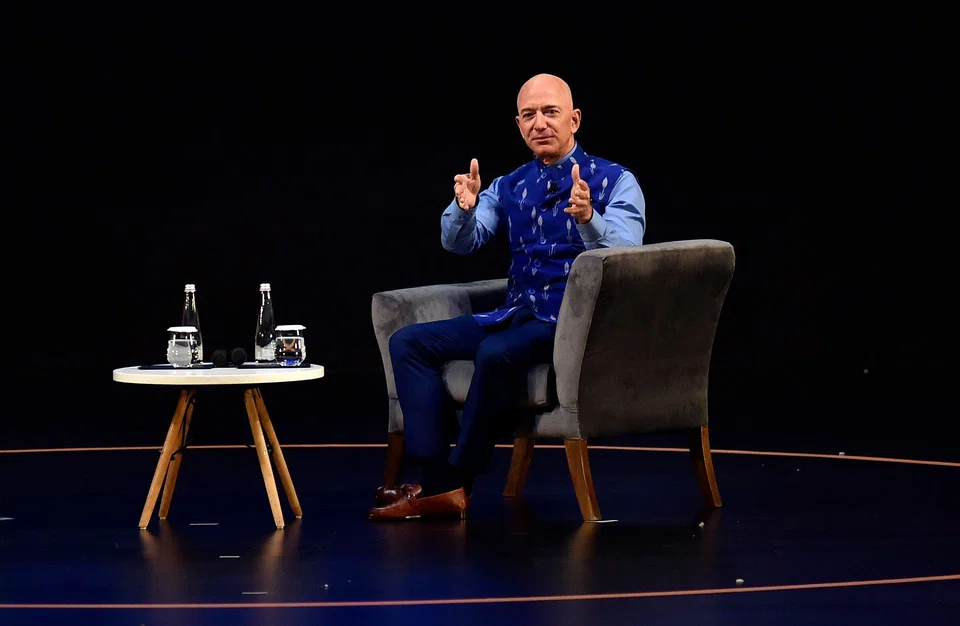
The world's three richest people amassed a total of US$231 billion over the past decade, according to data compiled by Bloomberg. Facebook Chief Executive Officer Mark Zuckerberg - the fifth-richest person in the world - had the highest boost last year, with a net gain of about US$6 billion. Amazon.com Inc CEO Jeff Bezos still claims the top spot with a net worth of US$116 billion.
The total wealth of the top 20 billionaires has doubled from US$672 billion to US$1,397 billion since 2012, according to Bloomberg Wealth.
An individual who saved US$10,000 a day since the construction of Egypt's pyramids would still only have a fifth of the average fortune of the world's top five, Oxfam said.
Oxfam's critics have dismissed the headline inequality statistics as misleading and suggest that they drastically overstate the scale of the problem. The organisation has repeatedly defended its analysis and challenged such accusations.
The charity's annual statistics rely on Credit Suisse's Global Wealth report, which Oxfam itself said suffers from poor quality of data and may even underestimate the scale of wealth disparities.
Citing World Bank research, Oxfam said reducing inequality has a bigger effect on lowering extreme poverty than economic growth. That analysis "shows that if countries reduced income inequality by 1 per cent each year, 100 million fewer people would be living in extreme poverty by 2030," it said.
Figures from the Washington-based lender show extreme poverty has declined drastically in the past two decades. They show the number of people living on less than US$1.90 a day declined by 1.1 billion from 1990.
The World Bank warns however that poverty reduction has slowed or even reversed in some countries. 736 million people still lived in extreme poverty in 2015, more than half of whom are in Sub-Saharan Africa.
BLOOMBERG
Share with us your feedback on BT's products and services