Access through Hormuz strait must be guaranteed in any US-Iran settlement, says UAE
The UAE has come under heavier Iranian strikes than any other Gulf state, according to regional officials
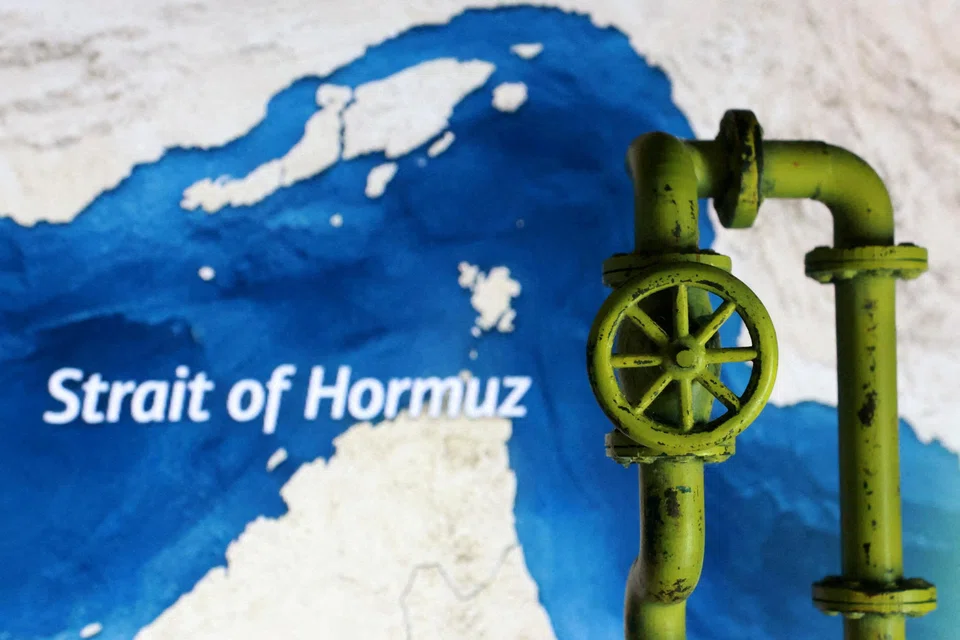
[DUBAI] UAE official Anwar Gargash said any settlement of the US-Iran war must guarantee access through the Strait of Hormuz, warning that a deal that fails to rein in Iran’s nuclear programme and its missiles and drones would pave the way for “a more dangerous, more volatile Middle East”.
Gargash, the diplomatic adviser to the UAE president, told a weekend briefing that the Strait of Hormuz – the world’s most critical oil artery – cannot be weaponised, stressing that its security is not a regional bargaining chip but a global economic imperative.
“The Strait of Hormuz cannot be held hostage by any country,” said Gargash, adding that freedom of navigation through the waterway “has to be part and parcel of the settlement of any conflict with clear agreement on that”.
Gargash said the UAE wants the war to end, but warned against a ceasefire that leaves the root causes of instability unresolved.
“We don’t want to see more and more escalation,” he said. “But we don’t want a ceasefire that fails to address some of the main issues that will create a much more dangerous environment in the region...notably (Iran’s) nuclear programme, the missiles and drones that are still raining down on us and on other countries.”
US President Donald Trump threatened to rain “hell” on Teheran if it did not make a deal and reopen the Strait of Hormuz by his Tuesday deadline. In a post laden with expletives on Sunday on his Truth Social platform, Trump threatened further strikes on Iranian energy and transport infrastructure that critics say would constitute a war crime.
The US and Israel have pounded Iran with missiles and airstrikes for more than five weeks to destroy what they said was an imminent threat from the country’s nuclear weapon development programme, ballistic missile arsenal and support for regional proxy militias.
Worst-case scenario unfolding
Gargash said the United Arab Emirates was ready to join any US-led international effort to secure shipping through the strait.
About a fifth of global oil and liquefied gas supplies normally pass through it each day, but Iran’s actions have severely curtailed traffic, triggering a global energy crisis.
SEE ALSO

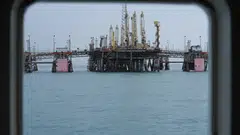
The conflict erupted on Feb 28, when the US and Israel attacked Iran after talks aimed at securing a nuclear agreement between Washington and Teheran hit a deadlock. Iran retaliated with waves of missiles and drones targeting Israel, US military bases in the region, and vital Gulf energy infrastructure, including airports, ports and commercial centres.
The UAE has come under heavier Iranian strikes than any other Gulf state, according to regional officials.
Gargash said that for decades, the most unlikely worst-case scenario for the UAE had been a full Iranian attack – a scenario that is now unfolding. Despite that, he said, the country was coping well, demonstrating resilience and resourcefulness under pressure.
He said that the UAE’s economic fundamentals remained strong and positioned the country for a recovery, though he acknowledged it would require effort.
Gargash said Iran’s strategy was likely to harden the Gulf’s security alignment with Washington rather than reduce it, entrenching the US military role in the region and amplifying Israel’s footprint. He said the US would remain the UAE’s core security partner and that Abu Dhabi would double down on that relationship as regional threats intensify.
Iran’s strikes on Gulf energy facilities and shipping lanes were seen by regional officials as a calculated attempt to raise the costs for Washington’s Gulf Arab allies. By hitting oil facilities, ports and key waterway, including the Strait, Iran banked on Gulf states, alarmed by economic shock and regional spillover, to press the United States to halt its campaign.
That logic drew on years of Gulf efforts to balance ties with Washington and Teheran, keep tensions contained, and avoid direct confrontation. Many Gulf states had restored diplomatic relations with Iran and tried to shield their economies from regional shocks, believing engagement would lower the risk.
Gargash said Iran’s leadership was fighting to preserve the “regime, not the country”, arguing that no normal government would accept such destruction simply to claim it had resisted. He said that the UAE did not seek hostility with Iran, but warned that trust was impossible under the current Teheran government.
The UAE was grateful, he said, for the international support it has received, singling out France as a steadfast partner and praising Washington for its exceptional backing, particularly in strengthening the UAE’s air-defence capabilities. REUTERS
Decoding Asia newsletter: your guide to navigating Asia in a new global order. Sign up here to get Decoding Asia newsletter. Delivered to your inbox. Free.
Share with us your feedback on BT's products and services