

ADB cuts Asia GDP forecast as China sticks to Covid Zero
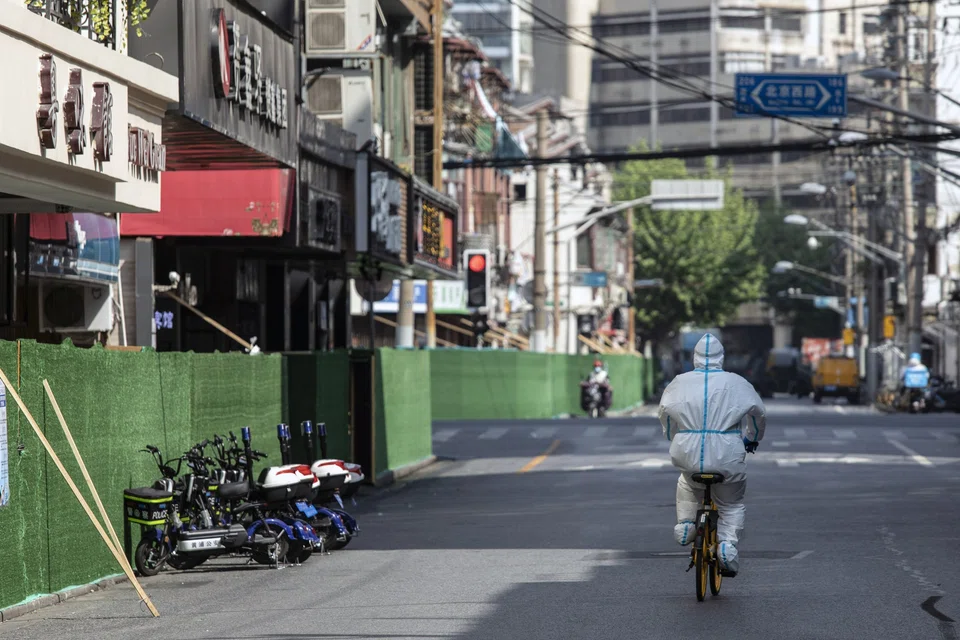
THE Asian Development Bank cut its forecast for gross domestic product (GDP) growth in developing Asia this year as China's Covid Zero approach to containing the virus creates ripple effects on regional supply chains and economic development.
The bank expects the region to grow 4.6 per cent this year compared to an earlier forecast of 5.2 per cent, according to a report published on Thursday (Jul 21). Growth in China, a key part of the developing Asia bloc, is expected to be a weaker 4 per cent in 2022 against a 5 per cent expansion seen previously.
The bank also slashed the forecast for East Asia - a region that includes China, Hong Kong, Taiwan and South Korea - to 3.8 per cent from 4.7 per cent. South Asia's growth forecast was lowered to 6.5 per cent from 7 per cent for 2022, and to 7.1 per cent from 7.4 per cent for 2023 mainly due to the economic crisis in Sri Lanka and high inflation and associated monetary tightening in India.
Economic risks to Asia are "elevated and mainly associated with external factors", the bank said, adding that tighter monetary policies from the US Federal Reserve and other major central banks, as well as worsening fallout from Russia's invasion of Ukraine could hurt growth.
Supply snarls from China's latest round of lockdowns and growth slowdown there also pose downside risks to the region, the ADB said.
"Because China is so critical to many of the supply chains in the region, that has effects on other economies, and that explains part of the slowdown broadly," Albert Park, ADB chief economist, said in an interview with Bloomberg Television on Thursday.
China's outlook has been clouded by Covid outbreaks and the ensuing restrictions intended to control them, along with an ongoing crisis in the property market. Economic growth slowed sharply to 0.4 per cent in the second quarter, when dozens of cities including Shanghai and Changchun imposed lockdowns. Many economists expect China will likely miss its economic growth target of about 5.5 per cent this year by a significant margin.
In a speech to global business leaders hosted by the World Economic Forum this week, Chinese Premier Li Keqiang signalled a focus on jobs, along with flexibility on the growth rate.
For Asia more broadly, though, Park said the 4.6 per cent forecast for the region points to a "pretty steady recovery from the pandemic".


"Many countries are still recovering demand as Covid has been pretty well managed this year," Park said. "We're seeing an underlying increase in demand that's also driving recovery, as well as good export performance."
That recovery supported the case for a marginal increase in the 2022 forecast for South-east Asia to 5 per cent from 4.9 per cent, with some economies in the region seeing benefits from domestic demand following the lifting of Covid curbs. BLOOMBERG
Decoding Asia newsletter: your guide to navigating Asia in a new global order. Sign up here to get Decoding Asia newsletter. Delivered to your inbox. Free.
Share with us your feedback on BT's products and services
TRENDING NOW

He built the Vingroup empire. Now South-east Asia’s richest man is handing some key roles to his sons

Despite the de-dollarisation debate, demand for dollar liquidity in Asia is growing
Can a first-time homebuyer couple earning S$18,000 a month afford a new EC unit?

Asia needs new energy security architecture

