

After 100 days, Americans give Biden high marks for Covid-19 response, economy
 Add BT as a preferred source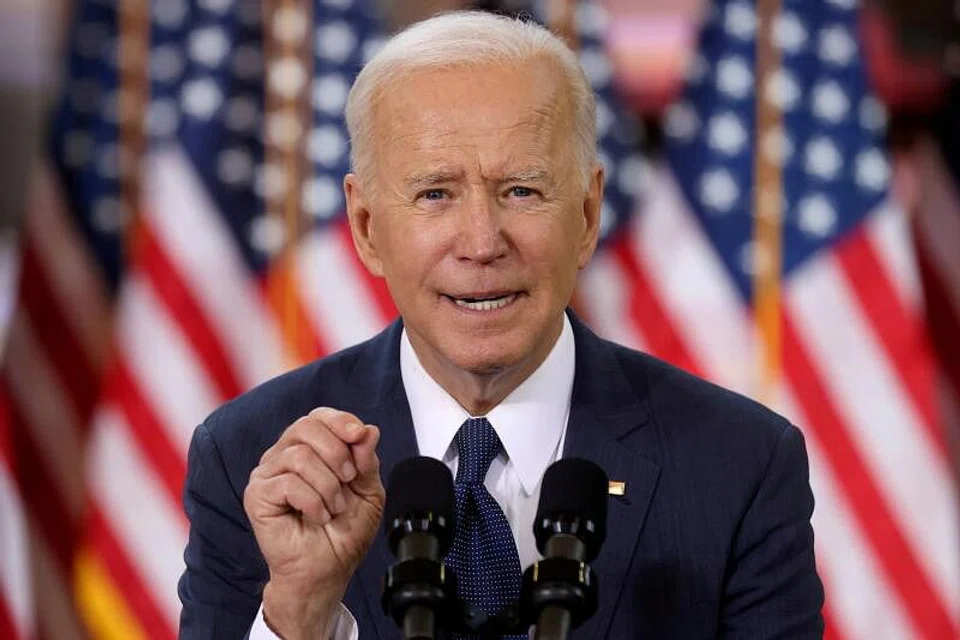
DeeperDive is a beta AI feature. Refer to full articles for the facts.
[NEW YORK] More than half of Americans approve of President Joe Biden after nearly 100 days on the job, according to Reuters/Ipsos polling, a level of support that his Republican predecessor Donald Trump never achieved and one that should help Democrats push for infrastructure spending and other big-ticket items on Mr Biden's agenda.
The national opinion poll of 4,423 adults from April 12-16 found that 55 per cent approved of Mr Biden's performance in office, while 40 per cent disapproved and the rest were not sure.
Mr Biden received the highest marks for his handling of the coronavirus pandemic, with 65 per cent supporting his response. In January, 38 per cent approved of Mr Trump's handling of the health crisis.
Ninety-per cent of Democrats, 61 per cent of independents and 39 per cent of Republicans said they approved of Mr Biden's response, the poll showed.
Fifty-two per cent of Americans also said they liked Mr Biden's handling of the economy and 53 per cent said the same about his impact on US jobs, which in both cases were a few percentage points higher than Mr Trump's marks on jobs and the economy during his final month in office.
But Mr Biden received his strongest criticism on immigration, as his administration continues to grapple with a surge of migrants arriving at the US-Mexico border: 42 per cent approved of the president's border policy, while 49 per cent disapproved.
Navigate Asia in
a new global order
Get the insights delivered to your inbox.
More than half gave Mr Biden strong marks for bipartisanship, though Democrats were much more likely than others to credit Mr Biden for unifying the deeply divided electorate. Fifty-six per cent approved of Mr Biden's efforts, including 88 per cent of Democrats, 23 per cent of Republicans and 48 per cent of independents.
Americans were also generally supportive of Mr Biden's stance on the environment and racial inequality, with 54 per cent and 51 per cent approving of his record so far, respectively.
Mr Biden is benefiting somewhat from circumstances that are beyond his control. He had months to prepare his pandemic response before becoming president, and some coronavirus vaccines were already in use before his Jan 20 inauguration.
Mr Biden's economy also has the advantage of being compared against the 2020 pandemic recession, when employers shed millions of jobs as Covid-19 shuttered businesses and schools.
Still, Mr Biden's approval numbers reflect popular support for his ambitious agenda, including a US$1.9 trillion economic stimulus package and should help him pursue other initiatives, said Julian Zelizer, a political historian at Princeton University.
Mr Biden is now pushing for a US$2 trillion infrastructure plan that many Republicans oppose, and he is expected to propose tax hikes on the wealthy to raise money for childcare and other programes for American workers.
His popularity will help Mr Biden keep his party together, Mr Zelizer said, blunting malcontents on both the progressive and moderate wings of the party, and possibly tempering opposition from some Republicans, especially those in politically competitive states.
Republicans largely oppose Mr Biden, with only about 20% supporting the president, but those numbers have not changed much over the past year. Mr Biden so far has been able to counter that with near-unanimous approval among Democrats and strong support among independents.
About 90 per cent of Democrats approve of Biden, while 8 per cent disapprove. Among independents, 51 per cent approve and 39 per cent disapprove.
REUTERS
Decoding Asia newsletter: your guide to navigating Asia in a new global order. Sign up here to get Decoding Asia newsletter. Delivered to your inbox. Free.
Share with us your feedback on BT's products and services
TRENDING NOW

From 1MDB to ‘corporate mafia’: Is Malaysia facing a new governance test?

Middle East-linked energy supply shocks put Asean Power Grid back in focus

Beijing’s calculated silence on the Iran war

DPM Gan warns of 3 structural shifts to the global system that will bring greater challenges – and opportunities

