
After years of wrangling, EU countries reach major deal on migration
 Add BT as a preferred source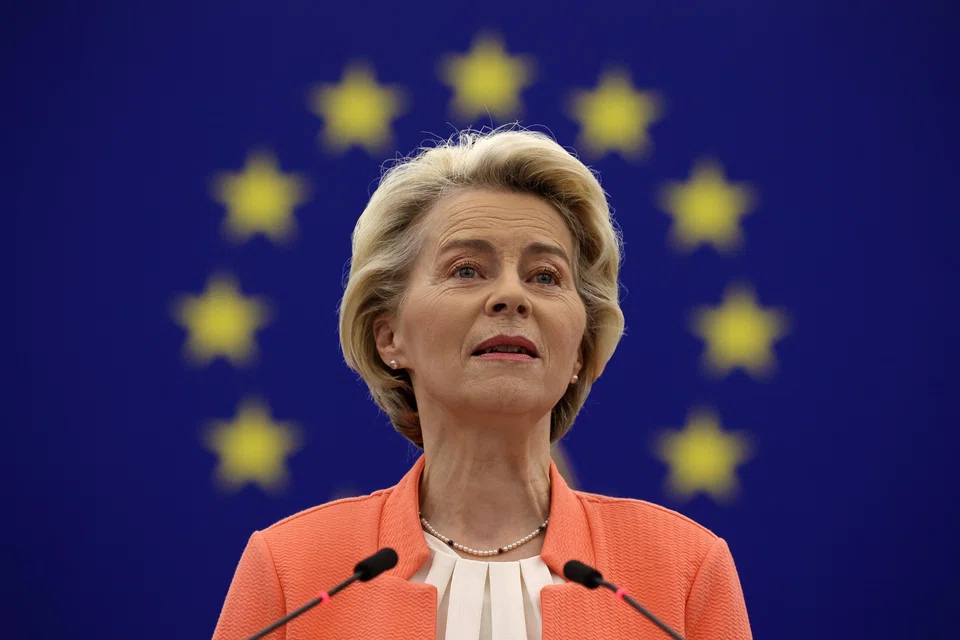
EUROPEAN countries struck a key deal on Wednesday (Dec 20) to overhaul their joint migration system in a way that makes it easier to deport failed asylum-seekers and limits entry into the bloc.
The plan, named the European Union migration pact, is the result of three years of negotiations and was pitched by the bloc’s executive arm as a patchwork of compromises aimed at allaying pressures from far-right, anti-immigrant parties across the continent.
It sought to give governments a greater sense of control over their borders while also bolstering the EU’s role in migration management – treating the issue as a European, not just a national one.
“Migration is a European challenge that requires European solutions,” Ursula von der Leyen, the president of the European Commission, said in written comments welcoming the deal.
The pact will ensure that EU countries “share” the responsibility for protecting asylum-seekers and for preventing irregular migration.
“It means that Europeans will decide who comes to the EU and who can stay, not the smugglers. It means protecting those in need,” she added.
Navigate Asia in
a new global order
Get the insights delivered to your inbox.
One important provision of the pact is for rapid assessments at borders of whether a person is eligible for asylum. Another is that countries away from the major arrival points either take in asylum-seekers from say Greece or Italy, or offer financial compensation.
The EU has bolstered its centralised agencies for border management, asylum and migration information management over the past few years, giving them billions in additional funding and adding staff. Those agencies will play a central role in what politicians in Europe are heralding as a new era in joint migration management.
To become law, the plan must in the coming months pass through the EU’s complex approval process. Given that it has been approved by negotiators from all the EU institutions, the plan is seen as highly likely to eventually be enacted.

While the details of the pact are seen as a middle-of-the-road compromise by a majority of politicians involved, they also have come under heavy criticism from all sides over the course of the negotiations.
A number of outstanding questions remain. The deal is vague on exactly how it will make time-consuming procedures at the border – reviewing asylum claims, determining if a person should be deported – go faster.
There are also questions over whether the system will provide adequate protections for the right to claim asylum and how anyone who does not qualify for asylum will be deported: The EU lacks return agreements with many countries. The bloc has in the past struggled to convince some countries in Asia and Africa to accept deportees – and the new policy doesn’t explain how it will address those issues.
Human rights organisations have roundly criticised the pact, saying it tramples on a number of fundamental rights by forcing asylum-seekers as young as 6 years old to give biometric data, and allocating more EU money to reinforce borders with drones and cameras instead of saving lives.
In the three years since the deal was first proposed, the issue of migration in the EU has become more divisive. The numbers of migrants arriving in the bloc have risen, fuelling the appeal of anti-migrant political parties. NYTimes
Decoding Asia newsletter: your guide to navigating Asia in a new global order. Sign up here to get Decoding Asia newsletter. Delivered to your inbox. Free.
Share with us your feedback on BT's products and services

