

AI boom upends San Francisco housing market
It is creating extreme personal wealth in the area, with tech companies paying employees in the sector lofty salaries
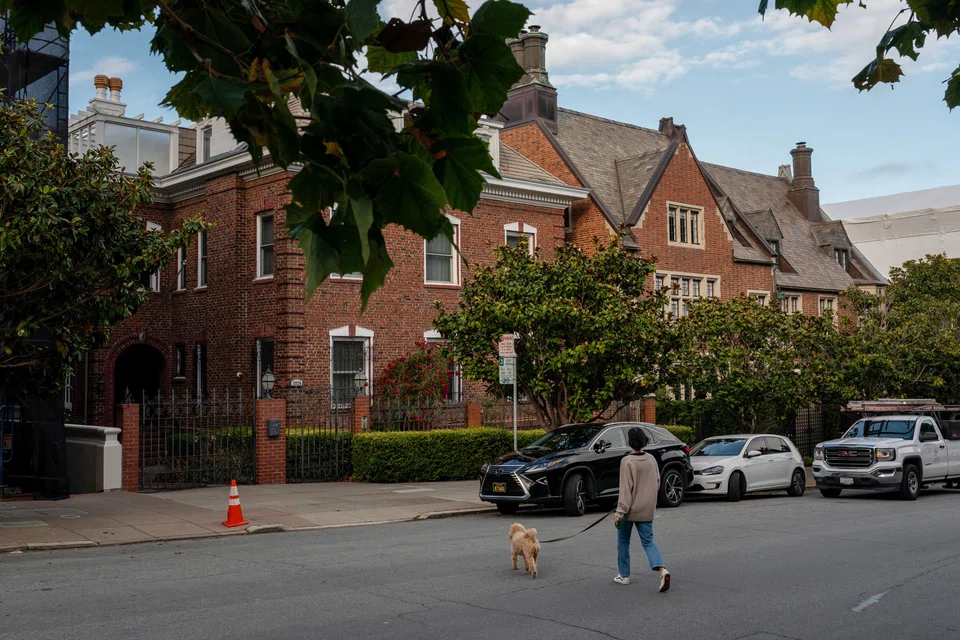
[SAN FRANCISCO] When Alex Belton, 33, and her fiance started their search for a single-family house in San Francisco last fall, their budget was US$1.2 million.
After they were repeatedly outbid, that budget has increased to US$1.5 million. The couple has now switched their search to Marin County, where the median home price is slightly lower.
Beldon, who works as a nurse in the city, said: “Our new pastime is crunching numbers, because I just feel like we’re just constantly trying to re-evaluate and see (if we can) afford to up the budget.”
She is among the many people struggling with San Francisco’s increasingly competitive housing market, as the artificial intelligence boom has created extreme personal wealth across the region.
Technology companies are paying employees in the AI sector lofty salaries, with some researchers negotiating US$250 million pay packages.
AI companies are also shattering fundraising records.
The median home sale price in the San Francisco metro area increased more than 10 per cent to US$1.7 million in April from the year-ago period, a recent report by Redfin revealed.
The metro area now boasts the highest median home price in the country.
The shift comes after San Francisco’s national reputation plunged during the pandemic, when headlines about petty crime, public drug use and tent encampments raised worries over its future.

The city’s constrained housing supply has added to that pressure.
High demand from all-cash buyers
Since the launch of ChatGPT in 2022, home prices in the Bay Area’s luxury zip codes have sharply risen, while prices in the most affordable zip codes have fallen, recent data from Redfin showed.
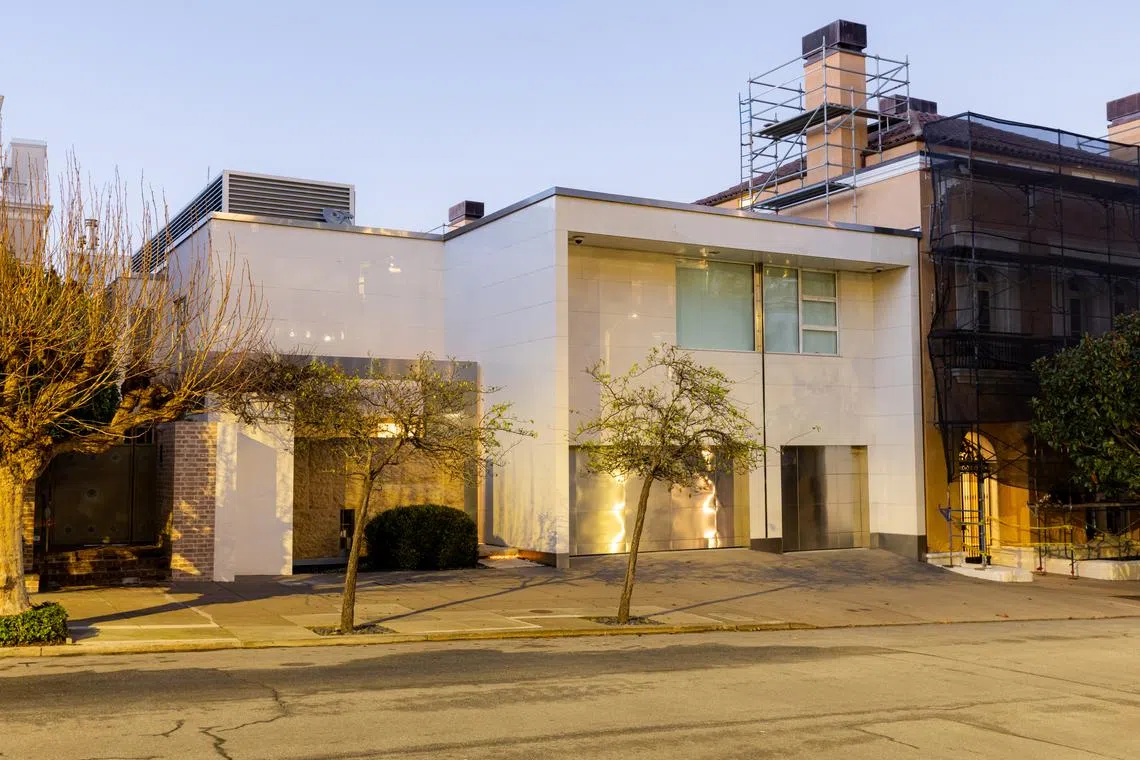
The divergence in growth rates between luxury and non-luxury markets did not exist before ChatGPT’s release. It is not common in other major markets.
Daryl Fairweather, the chief economist at Redfin, said: “What’s different this time is that the benefits – or the prosperity – of AI seem much more concentrated.
“It’s not that everybody is going out and buying homes.”
For Mason McDowell, a real-estate agent in San Francisco for about 10 years, demand from all-cash buyers seemed to spike overnight in mid-October last year and has not let up.
This coincided with a moment when more than 600 current and former OpenAI employees sold their shares, The Wall Street Journal reported, making US$6.6 billion collectively.
Some of McDowell’s clients working in the AI industry were, at times, offering millions of dollars over the asking price in all cash and agreeing to quickly close the deals.
They were also waiving contingencies, such as the right to inspect the house before buying.
“I wrote multiple offers for all of these clients that were a million dollars over the asking price, and we weren’t even close to being competitive,” he said.
Alexander Lurie, executive vice-president of City Real Estate in San Francisco – and half-brother of San Francisco Mayor Daniel Lurie – said most of the buyers he works with on homes listed at US$5 million or more have benefited from the AI gold rush, either as employees or investors.
These buyers are also making all-cash offers.
The competitive housing market goes beyond the AI frenzy, he added, noting that return-to-office mandates have also contributed to the booming market.
“This has been the most robust market we have ever seen,” he added, having worked in the city’s real-estate market for more than 12 years.
Just a day after Lurie and his business partner listed a four-bedroom, five-bathroom house for US$3.99 million in Pacific Heights recently, it received multiple offers and sold for US$7 million a week later.
The neighbourhood is among the most expensive in the country.
Strong housing demand to continue
Anthropic and OpenAI, the tech industry’s leading startups, are headquartered in San Francisco, where many of their employees work from offices in the city.
Many real-estate agents said they expect strong housing demand to continue, as OpenAI prepares to file for an initial public offering (IPO) in the coming weeks, and Anthropic has also taken steps to go public.
An IPO boom will likely create a new flood of generational wealth.
Residential rents in the city have also soared in recent years, driven by the same factors.
Belton and her fiance rented a two-bedroom, two-bathroom apartment in the Marina District for US$3,695 in 2020, when the city’s rental prices were low amid the Covid-19 pandemic.
This year, rent increased by about 10 per cent to US$4,075, making their search to buy feel more urgent.
The irony is that even though Belton knows the AI boom is making it harder for her to buy, she is still using the technology to help her buy a home.
“It’s funny that AI is part of the problem here, but we’ve actually been using Claude,” she said. “We’ve been using AI to crunch our numbers.” NYTIMES
Decoding Asia newsletter: your guide to navigating Asia in a new global order. Sign up here to get Decoding Asia newsletter. Delivered to your inbox. Free.
Share with us your feedback on BT's products and services
TRENDING NOW

GCash parent Mynt rises in market debut after South-east Asia’s top 2026 IPO

In the age of AI, what is a university education for?

Singapore to use ‘every legal and regulatory lever’ against companies linked to haze: Shanmugam
‘IPOs are not the only vehicle’: KKR heads for record exits even as firms stay private for longer

