

Airports see smoother summer travel than 2022 but brace for headaches
 Add BT as a preferred source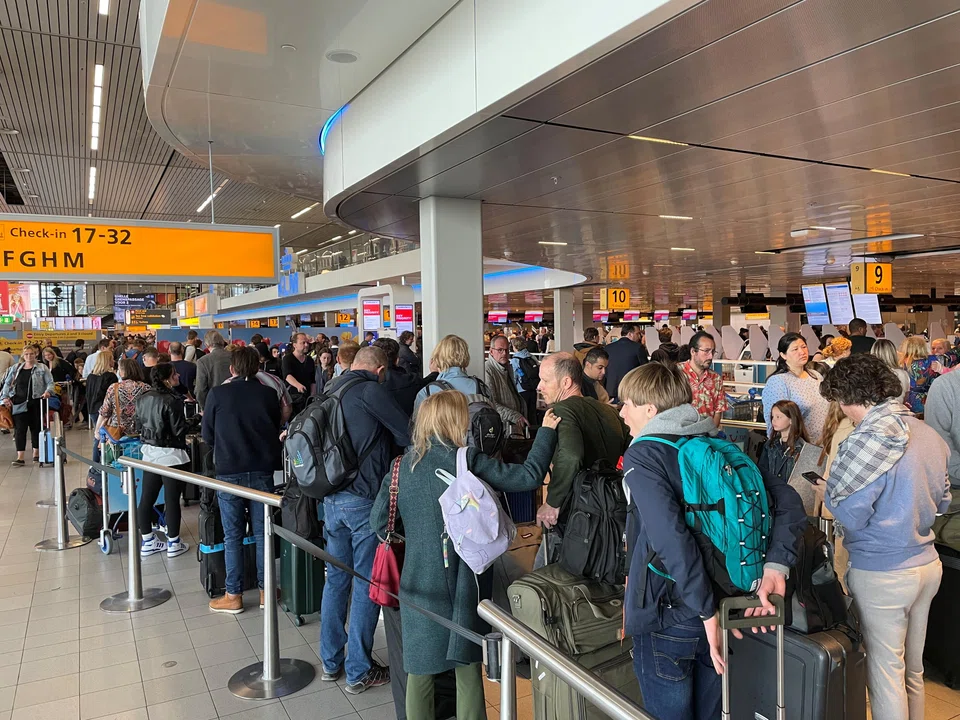
DeeperDive is a beta AI feature. Refer to full articles for the facts.
GLOBAL airports expect smoother travel this summer as staffing improves, but surging passenger demand during peak periods in Europe and North America could still bring long lines, baggage piles and delayed flights, an industry group said.
Airports, airlines and government agencies have been staffing up to avoid crippling labour shortages that curbed capacity and led to travel headaches last summer.
Global passenger demand is expected to recover to pre-pandemic levels on most routes in 2023, placing even more pressure on the stretched industry.
“The summer months are indeed expected to be challenging at times for Europe, North America and some parts of South-east Asia as passenger loads are expected to increase and reach levels in some places close to or even above 2019 levels,” said Thomas Romig, vice president safety, security and operations at airport trade group ACI World.
But most airport executives gathered at an Airports Council International meeting this week in France’s Reunion Island forecast any disruption was likely to be during peak traffic periods rather than run for the entire summer season, Romig said.
Amsterdam’s Schiphol airport and others might not have enough staff until the end of June, Air France-KLM chief financial officer Steven Zaat told reporters.
Navigate Asia in
a new global order
Get the insights delivered to your inbox.
“Of course we are still impacted by the fact that there are labour shortages everywhere, also at the airport ... but we see that gradually operations are actually back on track,” he said.
Strikes could also impact airport operations in the months to come.
A 24-hour strike at seven German airports, including Frankfurt and Munich, was set to affect nearly 300,000 passengers on Friday (Feb 17), as unionised workers pressed for higher wages and threatened a summer of “chaos” if their demands were not met.

French pension strikes have been ongoing in recent weeks, while UK border force strikes are expected to disrupt airports in the weeks to come.
Low-cost airlines easyJet, Ryanair and Wizz Air posted robust financial results at the start of 2023 on the back of very strong forward bookings. Analysts have said that customers are protecting their holidays despite rising inflation and recession fears.
Airports are already taking steps to prepare for high season travel. Earlier this week, Schiphol said it was considering reducing the number of passengers it could accept during the May vacation period by around 5 per cent.
In Canada, Montreal-Trudeau International Airport said it was adding services designed to curb lines ahead of spring break, such as bolstering an online booking platform that lets passengers schedule a specific time to pass through security checkpoints.
The country wrestled with long border and security lines at major hubs last summer due to staffing shortages, and more recently faced winter weather disruptions.
Canadian Transport Minister Omar Alghabra discussed spring break preparations during a recent meeting with airlines and airports, a spokesperson for the office of the minister of transport said.
“We are actively working to ensure the congestion we saw last summer doesn’t happen again,” spokesperson Nadine Ramadan added.
Canada’s largest airport, Toronto Pearson International Airport, which made global headlines last summer for a travel gridlock, was not immediately available for comment. REUTERS
Decoding Asia newsletter: your guide to navigating Asia in a new global order. Sign up here to get Decoding Asia newsletter. Delivered to your inbox. Free.
Share with us your feedback on BT's products and services
TRENDING NOW

Air India asks Tata, Singapore Airlines for funds after US$2.4 billion loss

‘Boring’ is the new black: The stars are aligning for a Singapore stock market revival

From 1MDB to ‘corporate mafia’: Is Malaysia facing a new governance test?
South-east Asian markets account for 8.8% of global capital inflows from 2021 to 2024: report

