

Alcohol 'a growing menace in advanced and newer economies'
OECD: Counselling, enforcement, higher prices can help
Tokyo
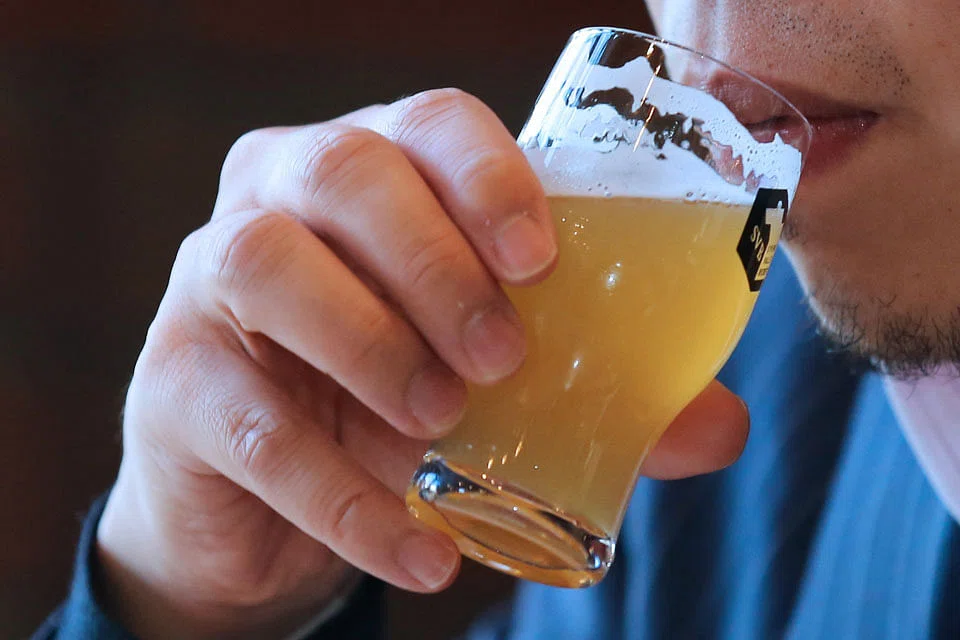
HARMFUL drinking is on the rise among young people and women in many countries as a result of alcohol becoming more widely available, more affordable and more effectively advertised, said the Organisation for Economic Cooperation and Development (OECD).
In a report on Tuesday, it noted that although the problem is most acute in the more advanced OECD economies, alcohol consumption has also leapt in Russia, Brazil, India and China; in India and China, the rise was happening from a low base, the Paris-based organisation said.
The report, titled "Tackling Harmful Alcohol Use: Economics and Public Health Policy", said the increase in risky drinking behaviour was a worrying trend because it is linked to higher rates of traffic accidents, violence and an increased risk of acute and chronic health conditions.
The OECD suggested that, among the policies that could reduce heavy drinking - regular, episodic or alcohol dependence - are counselling heavy drinkers, stepping up enforcement of drink-driving laws, as well as raising taxes, raising prices and stepping up regulation of the marketing of alcoholic drinks.
OECD Secretary-General Angel Gurria, who launched the report in Paris, said: "The cost to society and the economy of excessive alcohol consumption around the world is massive, especially in the OECD countries.
"This report provides clear evidence that even expensive alcohol-abuse prevention policies are cost-effective in the long run and underlines the need for urgent action by governments."
Adults in the OECD countries are each estimated to drink an average of around 10 litres of pure alcohol each year - equivalent to more than 100 bottles of wine.
This level has fallen slightly over the past two decades overall, but has risen in Finland, Iceland, Israel, Norway, Poland and Sweden in particular.
The report said: "Most alcohol is drunk by the heaviest-drinking 20 per cent of the population. Rates of hazardous and heavy episodic drinking in young people, especially women, have increased in many OECD countries.
"The share of children under 15 who have been drunk at least once jumped from 30 per cent to 43 per cent for boys and from 26 per cent to 41 per cent among girls during the 2000s.
"Overall, less-educated men are more likely to indulge in heavy drinking; the opposite is true for women, among whom the better-educated are more prone to heavy drinking."
Alcohol abuse ranks as one of the leading causes of death and disability. It kills more people worldwide than HIV/AIDS, violence and tuberculosis combined.
Between 1990 and 2010, harmful drinking rose from the eighth to the fifth leading cause of death and disability worldwide.
An analysis of the impact of alcohol abuse-prevention policies in Canada, Czech Republic and Germany has found that taking action can reduce rates of heavy drinking and alcohol dependence by five to 10 per cent.
"Policies should target heavy drinkers first. For instance, through primary-care physicians who can identify harmful drinkers and persuade them to start dealing with the issue, and through a tougher enforcement of drink-driving laws to cut traffic casualties."
Broader approaches may also sometimes be needed to complement these measures, including by raising the cost of drinking, such as through increased taxes, or by imposing minimum prices on cheaper alcohol.
"Greater regulation of alcohol advertising and increasing investment on educating young people on the dangers of harmful alcohol use is also important. Initiatives promoted by the alcohol industry may also have a role to play, but more independent evidence of their impact is needed."
TRENDING NOW

Knight Frank’s Tan Tee Khoon leaves firm, Nicholas Keong takes over auction business
Keppel Energy, Sembcorp Utilities and Tuas Power to supply biomethane in pilot project

GovTech retrenches another 38 staff in second round of layoffs

Take-up of new private homes dives 45% in Q3 as prices accelerate with 1.4% rise

