

Almost £20,000 wiped off London properties, official data show
Values have fallen in eight of the past 12 months
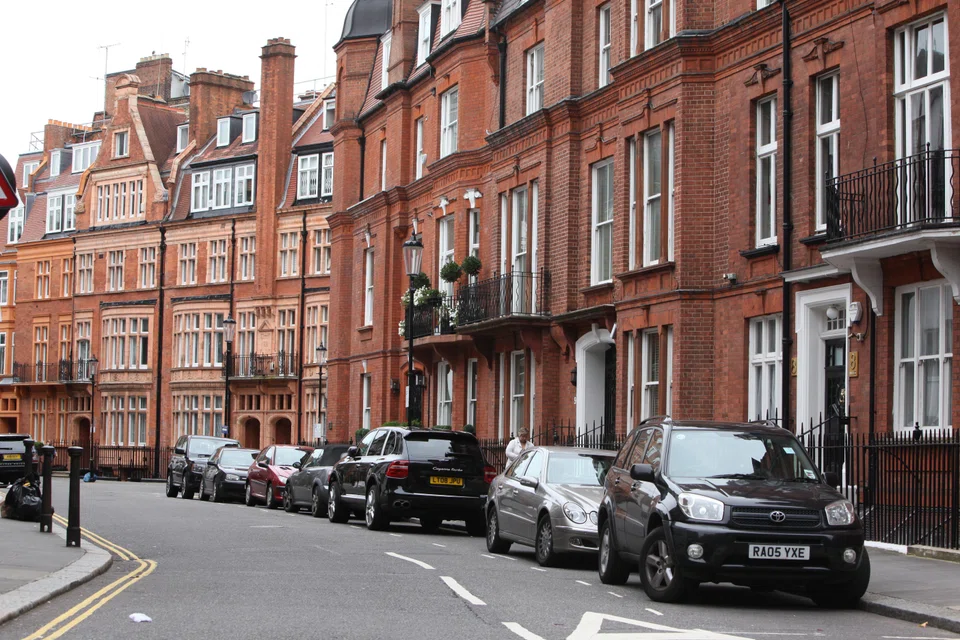
[LONDON] London house prices tumbled at their fastest annual pace in two and a half years, with almost £20,000 (US$26,940) wiped off the average valuations in the capital since the peak.
Average prices were down 3.3 per cent in the 12 months through July, the sharpest fall since January 2024, the Office for National Statistics (ONS) said on Wednesday (Sep 16). Values have fallen in eight of the past 12 months, declining a seasonally adjusted 0.5 per cent in July alone.
The capital’s market continued to massively underperform the rest of the country. London and the south west of England were the only regions see year-on-year price falls. Nationally prices were up 1.4 per cent to an average £273,000.
While London remained the most expensive part of the country, the average house price has dropped £19,000 since the peak in mid-2025 at £550,000.
The capital’s housing market has been hit hard by rising mortgage rates with its buyers disproportionately affected given the amounts borrowed are the largest in the country.
The pressure from borrowing costs is unlikely to let up after traders ramped up bets on the Bank of England hiking interest rates four times over the next 12 months. Moneyfacts data show that the average two-year mortgage rate has climbed to 5.77 per cent, the highest since May. The five-year rate has hit 5.83 per cent, levels not seen since November 2023.
It adds to a slew of factors weighing on London prices in recent years, including a clampdown on landlords and rising taxes. The upper part of the market may also be impacted by the surcharge on properties worth more than £2 million from 2028.
The most expensive areas of London recorded the sharpest price declines over the past year, with homes in Westminster dropping almost 21 per cent and Kensington & Chelsea losing 14 per cent. The ONS figures are derived from actual transactions recorded with the Land Registry.
Robert Wood, chief UK economist at Pantheon Macroeconomics, warned national house price growth is likely to slow further over the coming months.


“The typical 2-year fixed-rate 75 per cent LTV mortgage rate will rise to around 5 per cent by the end of the year, if market rate expectations hold at current levels, which, along with higher energy prices, will hit housing demand,” he said.
The ONS also said private rents climbed 3.8 per cent in the year through August to an average of £1,400 per month – the fastest increase this year. In London they rose slightly slower at 3.5 per cent. BLOOMBERG
Decoding Asia newsletter: your guide to navigating Asia in a new global order. Sign up here to get Decoding Asia newsletter. Delivered to your inbox. Free.
Share with us your feedback on BT's products and services
TRENDING NOW

Why US$100 oil, 5% US yields affect Singdollar, ringgit differently vs other Asean currencies

Singapore fintechs struggle to find finance and tech talent

Despite the de-dollarisation debate, demand for dollar liquidity in Asia is growing

Why Tan Aik Keong of digital solutions specialist Agmo wants to make himself less indispensable

