

Americans to lose key food subsidy, even as prices rise
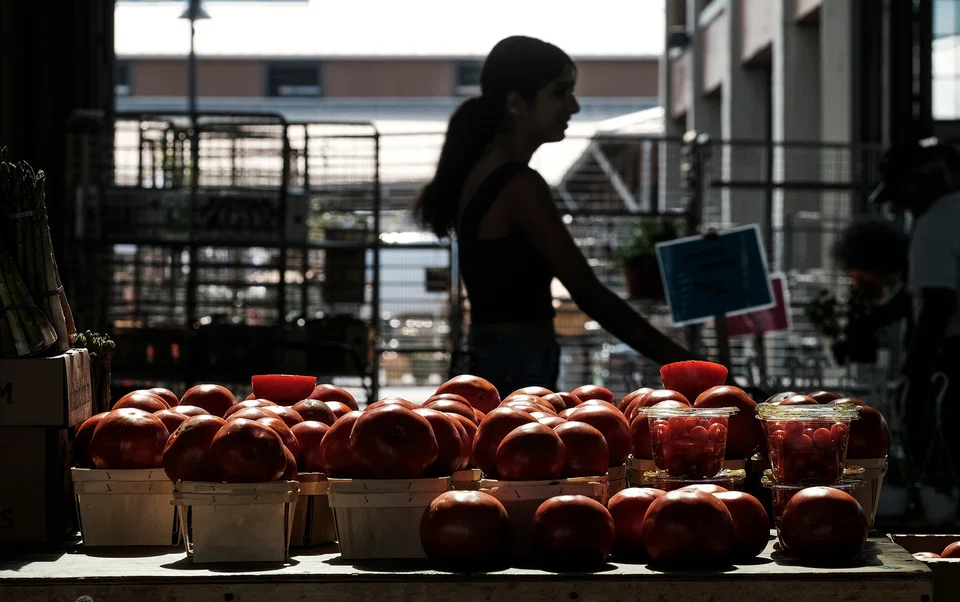
GOVERNMENT subsidies to help people pay for basic needs in the US have disappeared one by one, even as the cost of living continues to rise. Up next on the chopping block are the emergency allotments of a food-assistance programme that supports 30 million Americans in 32 states.
Enhanced benefits under the Supplemental Nutrition Assistance Program (Snap) will end in February, meaning families and individuals will receive at least US$95 less per month, with some seeing cuts of US$250 a month or more. Households with children will, on average, lose out on an extra US$223, according to the Center on Budget and Policy Priorities, a non-partisan research and policy institute. As of early February, New Jersey was the only state that had plans to top up benefits for its residents as the federal programme winds down.
Through Snap, low-income families and individuals receive cash benefits loaded onto a card that can be used to buy groceries at authorised stores.
The cuts will hit as inflation continues to send food prices in the US to new highs. While there are signs that inflation has peaked, food prices were still up 10.1 per cent in January from a year ago. A dozen eggs now costs more than a pound of minced beef for the first time on record.
“Right now, people are really up against it,” said Ellen Vollinger, Snap director at the Food Research & Action Center, an anti-hunger advocacy group. “There’s not a lot of cushion to absorb this.”
Americans have slowly seen pandemic-era benefits disappear over the last year and a half. A few months after expanded unemployment benefits ended, extended child tax credits went away, too. Universal free school lunches were cut late last year. And next month, families receiving benefits under the Women, Infants, and Children (WIC) programme will no longer be able to use waivers for baby formula from different manufacturers.
All this has hit low-income Americans, who rely most on government support.
Cee Williams, a 45-year-old from the Bronx, New York, said: “There aren’t more corners to cut.” The consultant and graduate student’s Snap benefits are set shrink come March.
Williams said the US$260 a month she got from the programme helped subsidise groceries, so she could afford her medical expenses. In February, she received an automated text from her benefits administrator, saying to expect less next month. She is still waiting for more details on how much less she will get.

“I’m just going to eat less food, honestly,” she said.
A bounty of government cash helped to alleviate economic inequality in the US during the pandemic’s early years. A 2022 study found that the emergency allotments kept 4.2 million people above the poverty line in the last quarter of 2021, effectively cutting poverty by 10 per cent. Declines were the highest for Black and Latinx Americans, both populations that typically have higher rates of food insecurity. Almost four million children were lifted out of poverty because of the monthly payments to families.
As that government stimulus has disappeared, poverty and food insecurity have rebounded. Data from the US Census Bureau showed that 11.2 per cent of adults said they sometimes or often did not have enough to eat in January. The figure was up from 9.8 per cent in April and May 2020. Separate figures from the Urban Institute estimated that roughly one in five US adults experienced food insecurity in the middle of 2022 when inflation peaked, rebounding to the share reported during the early days of the pandemic.
In 18 states, enhanced Snap benefits have already expired, offering a preview of what is to come nationwide. Propel, a tech company that surveys Snap users monthly, found that those living in states without the extra benefits were more likely to skip meals, eat less or rely on others for food. A January survey of 4,100 Snap recipients across the country found that 23 per cent had visited a food pantry and 29 per cent had skipped meals in the last month, both increases from December 2022.
More money spent on food leaves less for other basics. This can hit children, people who are disabled and the elderly particularly hard.
“It’s not just their food money. Now they’re going to take it out of their medicine money, or their heating, or their electrical bills,” said Beth Shapiro, executive director of Citymeals on Wheels, a non-profit that delivers meals to elderly New Yorkers.
“It becomes a real health issue.” BLOOMBERG
Decoding Asia newsletter: your guide to navigating Asia in a new global order. Sign up here to get Decoding Asia newsletter. Delivered to your inbox. Free.
Share with us your feedback on BT's products and services
TRENDING NOW

US dollar falters after Iran’s offer to reopen Hormuz sends oil lower

He built the Vingroup empire. Now South-east Asia’s richest man is handing some key roles to his sons

Floods compound Philippine growth woes from public-works scandal

Tokyo reverses baby bust with AI matchmaking and generous subsidies

