Apac PE executives are the least fazed by geopolitical uncertainty in dealmaking: report
Only 30% view it as a top threat, compared with 60% in Emea and 49% globally

[SINGAPORE] Private equity (PE) executives in the Asia-Pacific are the least fazed by geopolitical uncertainty when it comes to making deals, compared with their counterparts in other parts of the world, a report by law firm Dechert released on Tuesday (Dec 2) found.
Its eighth annual Global PE Outlook, which surveyed individuals from 100 PE firms, noted that only 30 per cent of Apac-based respondents indicated geopolitical conflict as a top deal risk.
This is markedly lower than the 65 per cent of Europe, Middle East and Africa (Emea) dealmakers who flagged it as a major dealmaking threat; globally, the proportion stood at 49 per cent.
The survey explained: “Emea respondents are more exposed to risk from the Ukraine and Middle East conflicts, and are particularly sensitive to world events, with a majority of them expecting geopolitical conflicts to shape the future deal environment.”
Meanwhile, US general partners acknowledged that geopolitical conflict will lead to fewer deal opportunities. “We will have to avoid investing in countries that are affected by these,” a North American respondent said.
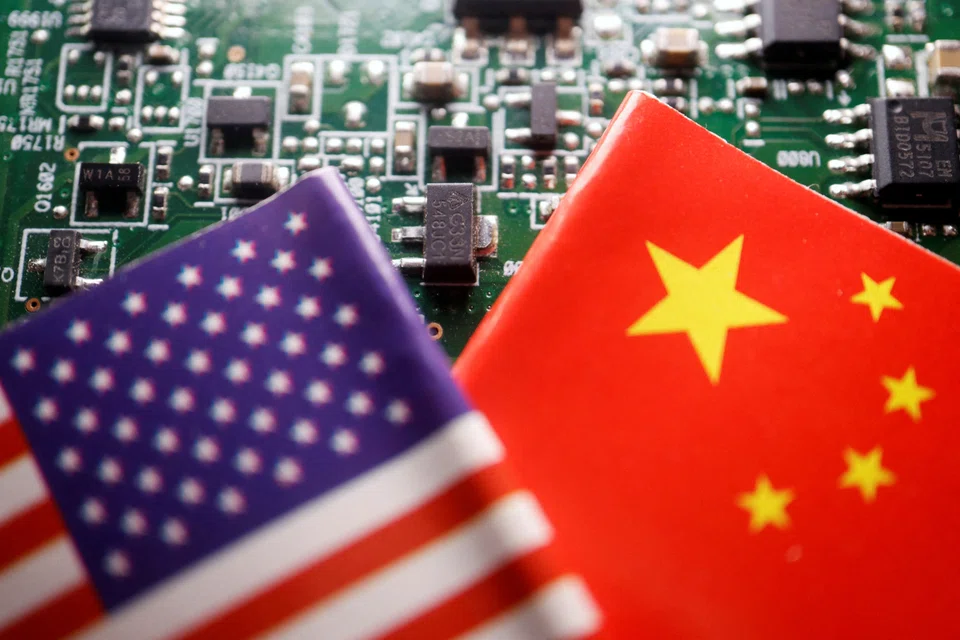
Therefore, the “relatively low number” of Apac respondents concerned about geopolitical risk is “somewhat surprising” given the lingering tensions between China and the US, experts at Dechert noted.
Markus Bolsinger, the firm’s co-head of PE and mergers and acquisitions (M&A) and PE partner for New York and Munich, said: “No company will be totally immune to geopolitical change, and general partners are putting in significant amounts of work on tariffs, supply chain and cross-border risk.”
Higher expected returns
The survey’s Apac respondents were also the most optimistic about net returns in 2025 for the PE industry overall. While Emea and North American dealmakers estimated an average of 17.1 per cent, those from Apac forecast an average of 17.4 per cent.
However, the survey respondents projected slightly lower returns for their own funds. Apac and Emea executives estimated net returns of 16.5 per cent on average for this year, and North American dealmakers, 16.8 per cent.

Those from Apac noted that relatively weak economic growth was a far bigger concern for general partners in the region. Deal volumes there fell 5.2 per cent in the first three quarters of 2025, compared with the same period the year prior.
This comes as general partners pause to review the impacts of US tariff policy shifts on export-driven businesses across the region, noted the report.
Maria Tan Pedersen, co-head of emerging markets and M&A and PE partner at Dechert, observed that market valuation gaps in Apac – especially in the mid-market – still persist.
“These gaps can prolong negotiations, but general partners are finding ways to work around the delta between buyers and sellers with clever structuring to bridge the gap,” she said.
Therefore, earnouts were one of the most-favoured deal strategies among the respondents: 48 per cent in total, and 60 per cent of those based in Apac.
In comparison, North American dealmakers were more likely to leverage high/low deal completion (51 per cent), as well as align financial metrics and assumptions with their buyer/seller (45 per cent).
Exits as top priority in 2026 for Apac
Apac dealmakers believe exits will be a “top priority” in 2026, amid distributions being sped up.
“(This would also involve) driving liquidity, trade sales, selective initial public offerings in jurisdictions like India and Japan, sponsor-to-sponsor deals and general partner-led transactions,” said Pedersen.
Across the region, general partners are also being driven to align more closely with limited partners, the Dechert report noted.
It said: “Apac leads co-investment adoption at 60 per cent, up from 40 per cent a year ago, leveraging the region’s sophisticated sovereign wealth fund ecosystem.”
There is more optimism around PE potentially being opened up to retail investors as well.
“This is especially high in Asia, with over a third of Apac-based respondents expecting more than 25 per cent of their next funding to come from a retail investor base,” the survey noted.
There is now also a clear “surge in appetite” in Apac PE to pursue previously untapped opportunities with sophisticated structuring solutions, said Pedersen.
She added that “a wave of change” across corporates and family-owned businesses will spur carve-outs, family sell-downs and succession solutions, driving strong deal momentum into 2026 and beyond.
Decoding Asia newsletter: your guide to navigating Asia in a new global order. Sign up here to get Decoding Asia newsletter. Delivered to your inbox. Free.
Copyright SPH Media. All rights reserved.