Aramco explores plan to export oil via Red Sea to avoid Hormuz
It typically exports its crude oil from ports within the Persian Gulf, but Sunday’s strike near the strait has led to a log jam of vessels

[RIYADH] Saudi Aramco is exploring the option of delivering more cargoes to Yanbu, a port in the Red Sea that is situated outside the Persian Gulf – where dozens of ships are hunkered down, as the Strait of Hormuz remains effectively closed.
It typically exports the bulk of its crude oil from ports within the Gulf, but the strike on Sunday (Mar 1) has led to a log jam of vessels.
The world’s biggest oil exporter has a five million barrel-a-day pipeline that runs in the country.
The pipeline can transport oil from the fields in the east to the Red Sea in the west.
Aramco did not immediately respond to a request for comment.
It has asked some customers in Asia if they are able to lift oil cargoes from Yanbu in Saudi Arabia’s Red Sea coast, sources said, who asked not to be identified because the discussions are not public.

Shippers are also being sounded out to check if they would change loadings from the Persian Gulf to the port, one of them said.
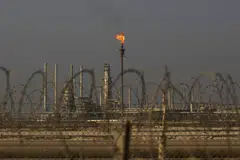
The exporter has already faced implications from the expanding war in the Middle East, after it was forced to shut its biggest refinery at Ras Tanura in the Persian Gulf following a drone strike.
The slowdown of maritime traffic has raised the fear of storage tanks in the region filling up, which might eventually result in production being curtailed. BLOOMBERG
Decoding Asia newsletter: your guide to navigating Asia in a new global order. Sign up here to get Decoding Asia newsletter. Delivered to your inbox. Free.
Share with us your feedback on BT's products and services