After repeated delays, Vietnam’s US$70 billion high-speed railway to finally see light of day
Construction of the first sections of the North-South project set to start by 2030
Jamille Tran
[HO CHI MINH CITY] For the better part of the last two decades, Vietnam has tried to modernise its rail transport network with high-speed bullet trains connecting the country – only to be held back by a lack of government consensus and access to funding.
That all looks set to change, with the US$70 billion North-South high speed railway project – a 1,500 km route linking the capital Hanoi with the southern metropolis of Ho Chi Minh City – finally making some progress.
Earlier this week, the Transport Ministry announced it will complete the project’s pre-feasibility study report and aim to begin construction of two priority sections before 2030. The goal is to have the first trains in service by 2045.
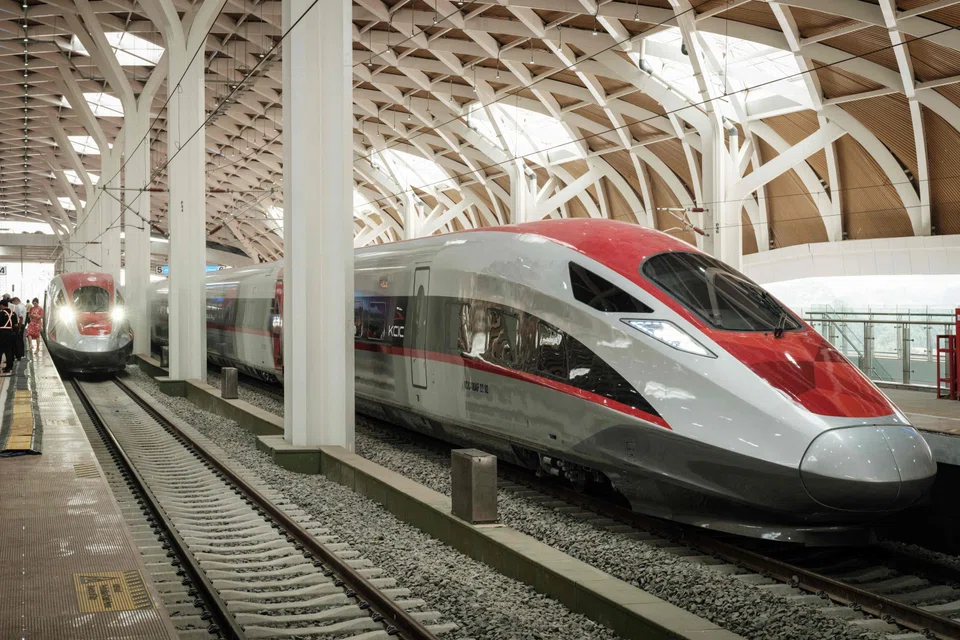
There are a number of proposals on the discussion table, with one having a double-track line that will see the fast trains reach a speed of 350 km an hour – comparable to China’s high-speed train service between Beijing and Shanghai. At such a speed, a journey from Hanoi to Ho Chi Minh City would take about six hours.
One major stumbling block in the past has been funding. As things stand, the government is considering financial aid from China and Japan, as well as the World Bank for low-interest loans.
In February this year, Vietnam’s Politburo – the country’s highest decision-making body – set a specific goal to seek approval of the investment policy for Vietnam’s North-South railway by 2025. The Politburo described the project as the “backbone railway” of the country.
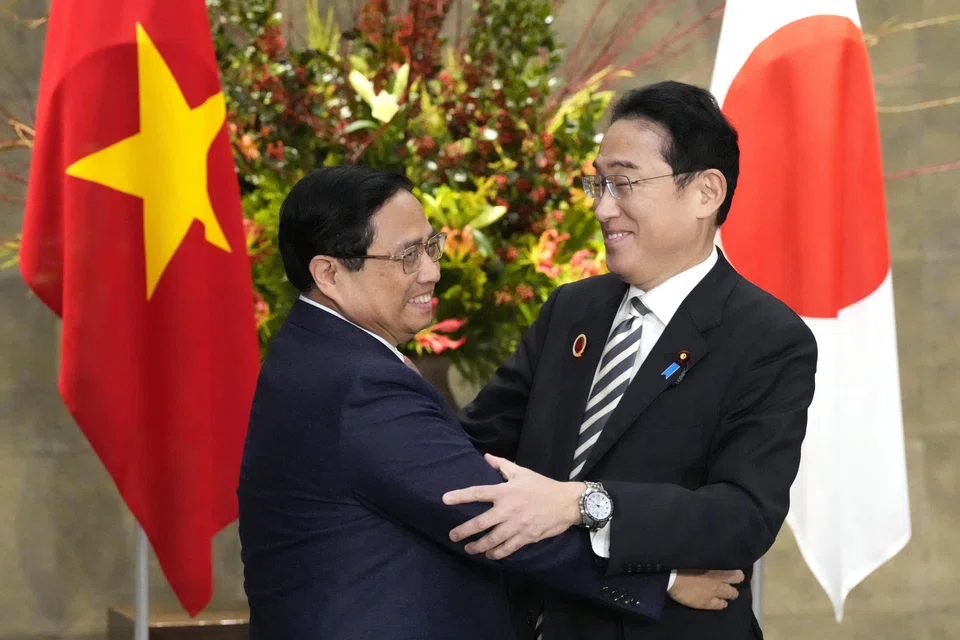
Last week in Tokyo, Vietnamese Prime Minister Pham Minh Chinh met Japanese Prime Minister Fumio Kishida and proposed that Japan provide Vietnam with additional official development assistance (ODA) loans for several key infrastructure projects, including the North-South railway.
According to some Vietnamese media reports, the total value of Japan’s ODA loans to Vietnam exceeded 100 billion yen (S$925 million) in 2023. Japan is currently the largest ODA lender to Vietnam.
Over the past year, Vietnamese leaders have held meetings with major Chinese and Japanese railway developers. Many have expressed interest in Vietnam’s railway projects, including the North-South railway and another proposed route that will run from the border province of Lao Cai to the port city of Hai Phong.
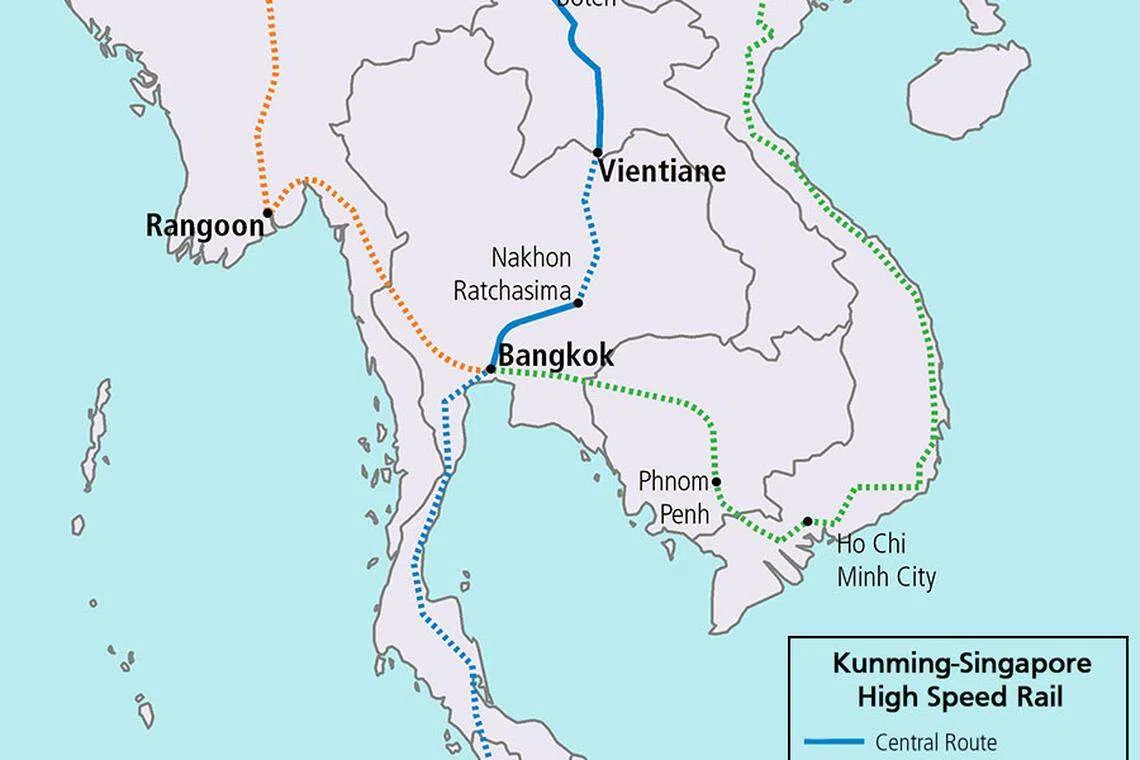
Over the years, China has provided extensive funding to Vietnam’s regional peers, such as Laos and Indonesia, for advanced rail routes under Beijing’s Belt and Road Initiative, which seeks to establish a pan-Asia railway network through the Indochina region.
Analysts whom The Business Times spoke to said that Vietnam can ill afford to delay the construction of the North-South railway if the country is to remain competitive and realise its vision of becoming a main logistics hub in South-east Asia.
“Delaying the project further might jeopardise Vietnam’s ability to keep pace with the escalating demands of a rapidly growing economy,” said Majo George, a senior lecturer at RMIT University Vietnam’s business school.
“Vietnam might miss out on the advantages of being an early mover in establishing a high-speed rail network in South-east Asia, potentially losing out on opportunities for regional leadership and enhanced connectivity,” he added.
From 2002 to 2022, Vietnam’s gross domestic product per capita grew 3.6 times to US$3,700. The economy expanded at an average rate of about 6 per cent per annum, according to data from the World Bank.
Last year, Vietnam had the fastest growing economy in the region, with growth of 8 per cent.
George said the high-speed railway would help boost Vietnam’s ability to move people and goods from one end of the country to another.
This could in turn bring about higher efficiency for supply chains and trade, decreased traffic congestion, as well as new real estate investment opportunities around the route’s train stations in the more than 20 provinces and cities, he added.
Frank-Jurgen Richter, the chairman of Horasis, an independent international think tank headquartered in Zurich, suggested that Vietnam tap a variety of funding sources – such as the national budget, development banks and private capital – to reduce the risks of being dependent on a single source.
Apart from funding, Vietnam’s government is also studying different technological options for the high-speed railway project, including from China, Spain, Japan and Germany.
One advantage of being late to the game is that Vietnam can tap the world’s best high-speed train technologies, and not have to settle for something in between, said Richter.
Technology transfer, knowledge sharing and local capacity building from the chosen foreign contractors or countries are among the prerequisites for the massive project to be realised, he said.
In October, Chinh issued a decision to form a steering committee tasked with overseeing the development and execution of the North-South railway project. The committee, headed by Deputy Prime Minister Tran Hong Ha, has been tasked with involving organisations, experts and scientists to give advice throughout the implementation.