Air travel bustles but Malaysia Airlines far from out of the woods

Anita Gabriel
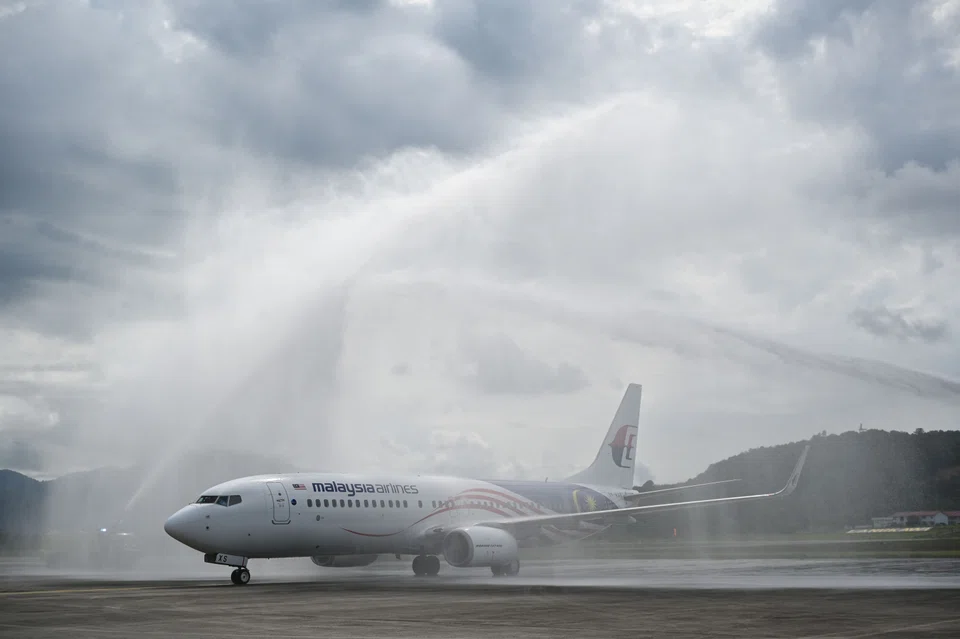
THE bustle of air travel in Malaysia has made a pleasant return after being eerily quiet for too long due to pandemic curbs. And, with that, there is renewed hope that the country's national carrier Malaysia Airlines is poised to see its sagging fortunes - this preceded the pandemic, by the way - finally restored.
Malaysia was relatively late to the party, having truly reopened its borders to international travel only this month as it transitions to treating Covid-19 as endemic following an aggressive vaccine rollout.
Some encouraging signs have emerged for Malaysia Airlines, which has suffered one too many tragic blows over the past decade and whose survival is of national strategic interest. The one with the biggest skin in the game is the group's sole shareholder Khazanah Nasional, Malaysia's sovereign wealth fund, which has pumped in some RM28 billion over the years to keep the airline, against all odds, afloat.
Last week, Malaysia Airline's parent company, Malaysia Aviation Group (MAG) announced that the group reversed its 2020 operating loss of RM1.8 billion (S$566 million) to a positive Ebitda (earnings before interest, taxes, depreciation, and amortisation) of RM433 million for the year ended December 2021.
While the group remains steeped in red ink, the latest showing is a good start for the carrier that suffered staggering losses of RM4.2 billion in 2020. But it still sadly falls short of validating the airline's goal to break even in 2023.
The aviation group attributed the improved operating numbers to its restructuring that was wrapped up last year. But the improved showing was also likely to have been due to reduced cost amid less activity as a result of the outbreak. Its capacity was down 71 per cent in 2021 from a year ago, which would have meant fuel savings and possibly staff costs too.
Cargo turned out to be a sweet spot that helped the carrier navigate through the turbulence. The group's cargo arm earned RM3 billion in revenue, outperforming its target by 71 per cent amid roaring global demand.
But even as the reopening of Malaysia's borders is galvanising international and domestic travel, uncertainties abound.
Crude oil prices have shot through the roof owing to the Russia-Ukraine conflict and have correspondingly driven jet fuel prices significantly higher. Fuel prices at current levels account for 40 to 45 per cent of MAG's total operational cost - up some 35 to 40 per cent from a year ago, said MAG in a recent statement. Keeping a lid on cost, which is historically an elusive ability for the airline, will be a big challenge.
An environment of rising interest rates is also not good news for the airline, given its delicate albeit leaner restructured balance sheet.
A recent report in The Business Times quoted a spokesperson for Malaysian Airlines that ticket sales have more than doubled since the country announced that it was ready to welcome back international travellers last month. The national carrier has recorded a load factor of more than 80 per cent on most of its upcoming flights.
For context, however, the low base effect from a period of prolonged border and travel restrictions could render improving air passenger traffic numbers this year less rosy than at first blush.
Not to sound like a "Debbie Downer", but profits have long been elusive for the aviation group, which has 2 other airlines - Firefly, which sees itself as a "hybrid" carrier (something in between a full service and low cost carrier) and MASwings, which largely provides connectivity within East Malaysia - under its umbrella.
The national carrier has continued to suffer losses since Khazanah Nasional took the airline private 8 years ago.
"It isn't clear how management will grow the business and become profitable. Where will the upside come from?," said Shukor Yusof, an airline analyst and founder of aviation consultancy Endau Analytics, as he pointed out that China, a major international tourist market, remains shut. "Even if it (China) reopens, it will unlikely return to pre-pandemic levels, so the airline can't rely on Chinese visitors," he continued.
Another challenge is currency risk as the ringgit has weakened, a trend that pundits expect to continue through 2022. This will demand more discipline from the group as fuel and leasing of aircraft are largely denominated in US dollars.
Indeed, a strong demand environment as the pandemic recedes is an opportune time to test the resilience of MAG's 5-year turnaround plan - dubbed Long Term Business Plan 2.0 - that was put in place last year following one of countless restructurings the airline group has endured over the decades. But it's too early for a victory dance, as grey skies still linger.