



All eyes on the Philippines’ new economics team to steer recovery post-pandemic
By Michael Beltran
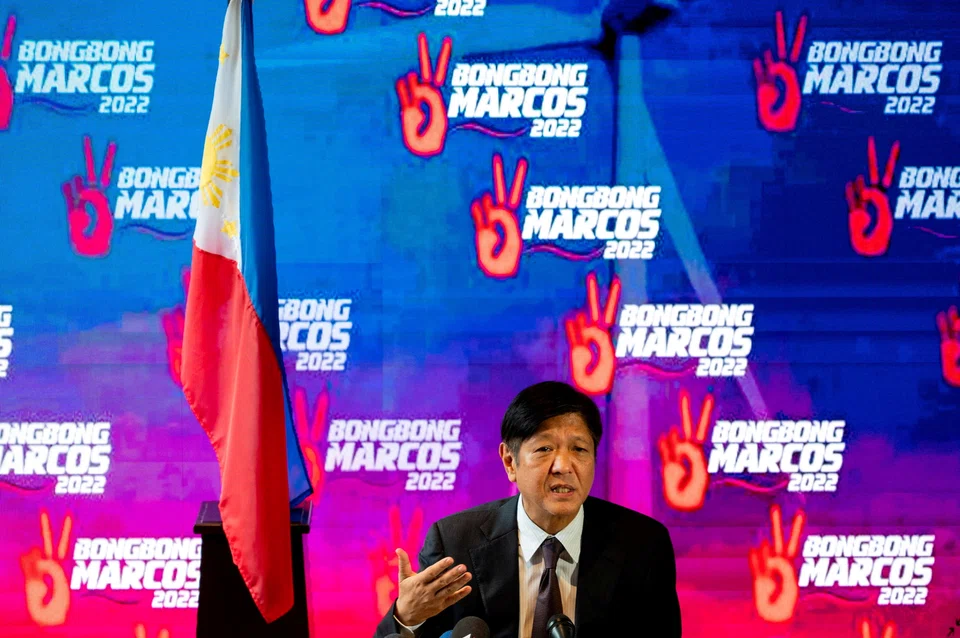
Ferdinand Marcos Jr, the President-elect of the Philippines, has started to name some members of his new administration, with the inclusion of several appointments to economic portfolios who will play key roles in steering the economy in the post-pandemic environment and beyond.
As of Monday (May 30), at least 17 names have been officially announced to head executive departments and other Cabinet-level agencies.
All eyes are on a trio of former professors from the School of Economics at the University of the Philippines. Set to take the helm of the Department of Finance is current Bangko Sentral ng Pilipnas (BSP) governor Benjamin Diokno, a 74-year-old economist who has led the central bank since 2019.
Felipe Medalla, a long-time BSP board member, will take over as the central bank’s governor. Arsenio Balisacan, the former chief of the National Economic Development Authority during the Benigno Aquino administration, has been picked to return to his old post.
Alfred Pascual, a former UP president from 2011 to 2017, will lead the Department of Trade and Industry. Pascual is an international development banker and finance expert who is currently the chief executive officer of the Institute of Corporate Directors, a non-stock, non-profit organisation.
Various business associations in Manila’s financial industry have already welcomed these appointments. The Makati Business Club’s executive director Coco Alcuaz said: “The appointment of these experienced, well-known leaders should boost the confidence of local and foreign businesses, from MSMEs (micro small and medium-sized enterprises) to big players, that the new administration will promote liberal but inclusive policies that will accelerate job creation, competition and economic recovery.”
Jan Carlo Punongbayan, a professor from UP’s school of economics, told The Business Times: “They all bring years of experience in terms of policy-making. Somehow it also has a calming effect on markets and investors. It gives the financial market some reassurance.”
Diokno’s appointment cuts short his stint in the BSP by a year. The veteran economist shared that he is not only honoured by his new role at the Department of Finance, but also feels there is a greater chance of speeding up the economic recovery from outgoing President Rodrigo Duterte to the incoming Marcos Jr administration “because of the continuity in vision”.
“Prior to the pandemic, the Philippines was poised to transition into an upper-middle-income economy, thanks largely to sound economic policies put in place over decades by multiple administrations,” said Diokno.
Although the economy has done well with 8.3 per cent GDP growth in the first quarter of this year, Punongbayan cited record inflation and mounting debts as some of the more urgent matters that require attention. There are also contentious issues such as soaring gas prices, unpopular taxes and a high unemployment rate.
Cielo Magno, another faculty member from UP’s school of economics, urged some degree of caution in the optimism surrounding the appointments. He hopes that the new economic team “will be insulated from politics and be allowed to pursue sound reforms and policies”.
“At the same time, we hope that the technocrats will help us guard democracy and will be with the people in fighting corruption and political maneuvering,” he added. “Ultimately, economic growth does not only hinge on good economic policies but also the protection of democratic space and good governance.“
The incoming secretaries and appointees will have to go through the Commission on Appointments in Congress for confirmation.
TRENDING NOW

Peter Kwee’s Ridley Park bungalow on the market with S$100 million asking price
Motoring tycoon Peter Kwee is back in court: Here are his previous legal battles

Demand, tech capabilities position Apac and AI as Skyscanner’s next growth frontiers: CEO Bryan Batista

South-east Asia has lost Nvidia’s best salesman

