Amid an emerging market bond sell-off, traders eye attractive Asean moves
Malaysia and Philippine debt could see inflows, but Iran conflict may keep credit conditions fragile

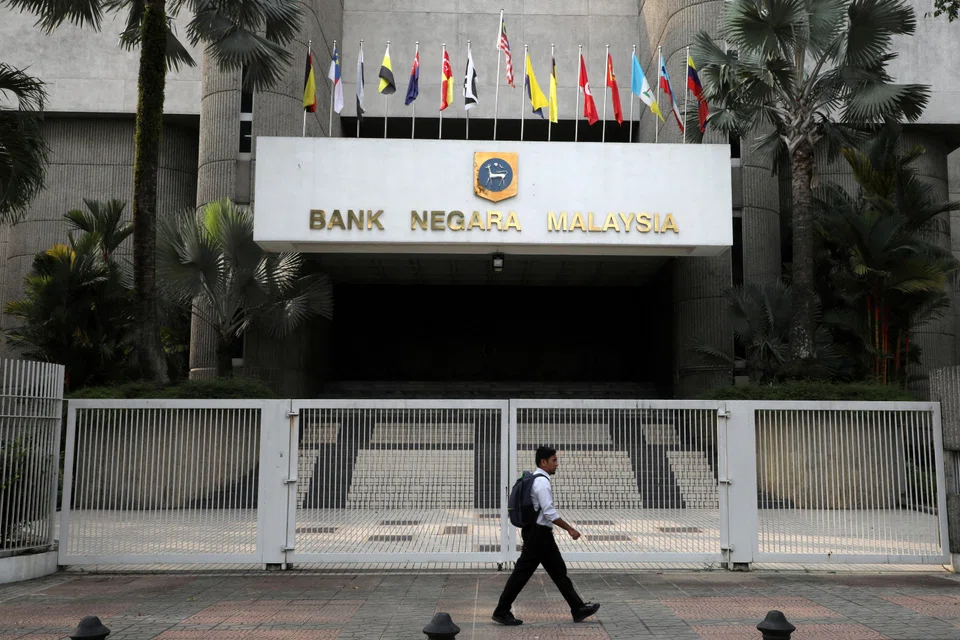
[SINGAPORE] A sell-off in emerging market (EM) bonds is beginning to uncover selective opportunities in South-east Asia, as investors look past near-term volatility to position for higher yields and potential reversals.
While the general outlook remains cautious, portfolio managers told The Business Times that they are becoming increasingly optimistic on pockets of South-east Asia’s markets – as both safe-haven assets and oversold bonds become attractive.
For economies in the region more insulated from the effects of the Iran war, fiscal stability has translated into bond inflows as traders flock to markets with stronger external balances and buffers against energy‑driven inflation shocks.
“Malaysia stands out to us as one of the more resilient economies in the region,” said Clifford Lau, portfolio manager for emerging markets debt at William Blair Investment Management.
He said that the country’s status as an energy exporter and oil producer offers partial insulation from higher global energy prices, while its liquefied natural gas export revenues could also see a boost amid rising selling prices.
Since coordinated strikes by the US and Israel hit Iran in late February, emerging debt markets have steeply sold off, in stark contrast to their overwhelming outperformance in 2025.
One of Wall Street’s most favoured trades in 2025, local currency sovereign debt in emerging markets had returns of 22.8 per cent last year.
The outperformance in 2025 came after what investors coined as a “lost decade” in EM debt, with years of outflows reversing last year as investors returned to these markets – including several in South-east Asia.
Investors flee emerging markets
Though bonds spiked briefly on Wednesday (Apr 1) on hopes that the US may soon end its strikes on Iran, returns on these assets have already slumped by 3.8 per cent in 2026.
Renewed pressure from currency depreciations, the threat of softer global growth and heightened inflation risks have kept local interest rates elevated and forced prices down – tracking broader shifts in global bond markets.
“This has revived fears of a stagflationary backdrop, weighing disproportionately on EM assets,” noted Lau.
Front-end yields – typically the most sensitive to central bank policy – have been the hardest hit, said Belle Chang, senior manager for global investment research at FTSE Russell.
“Markets have focused on the inflation impact,” Chang noted.
This has raised credit spreads in EM debt markets – riskier yields rising compared to safer assets – as investors price-in delayed monetary easing and weaker growth, Lau said.
“Currency depreciation expectations remain the key driver of underperformance in local‑currency markets,” he added.
Hard-currency debt, in comparison, has taken a lesser beating, the portfolio manager said.
Such assets – sovereign and corporate bonds denominated in stable currencies such as the US dollar or yen – have been cushioned slightly as safe haven flows keep these currencies robust, said Carol Lye, portfolio manager and senior research analyst at Brandywine Global.
Malaysia’s local currency bonds are a notable exception in South-east Asia. Maybank noted that the pace of foreign buying of ringgit-denominated bonds had accelerated since the onset of the conflict in late February, having reached RM8.5 billion in inflows by Mar 24.
Malaysia’s ringgit has been among the best performers in Asia this year, as the net energy exporter has largely fended off the energy-induced stagflationary pressures threatening many of its South-east Asian neighbours.
This would mark the largest monthly inflow since May 2025, Maybank noted. In contrast, Indonesia and Thailand have had outflows month to date, said Maybank’s head of foreign exchange research Saktiandi Supaat in a Wednesday note.
“Refuge demand can’t be ruled out this time,” he said. “Middle East tensions help raise the appeal of ringgit bonds, given their relatively stable fundamentals and geopolitics.”
“We expect demand to stay firm, supported by non-developed market foreign official investors seeking diversification away from US dollar assets over the medium term,” said Saktiandi.
Recent volatility has not scuppered Malaysia’s optimism in attracting global capital to its primary markets. The country’s government is reportedly seeking a return to US currency debt for the first time since 2021, betting on improved investor appetite for its sovereign bonds.
Mispriced risk
Meanwhile, the sell-off has also prompted some investors to seek opportunities from mispriced risk within the region’s hardest-hit debt markets.
“EMs remain an area of focus, given their higher income – and with even higher yields now as a result of the war,” said Lye.
The Philippines is one such case, she noted. The country is among South-east Asia’s most exposed to an energy shock from the war, with about 90 per cent of its crude oil imports coming from the Middle East.
As a result, traders have fled from Philippine bonds, as higher inflation expectations and relatively thin liquidity drove a sell-off – with yields reaching as high as 100 basis points above pre-conflict levels.
“Despite the higher inflation forecasts, the Philippines’ inflation was starting from a low base with weak growth,” said Lye. She noted that this could limit the Philippine central bank’s willingness to hike rates, raising the prospect of a stabilisation or reversal in yields.
Maybank’s Saktiandi, however, remained wary of the asset’s potential to sustain a rally amid the risk of central bank hawkishness.
“The strong run-up so far does point to signs that it could be stretched on the upside,” he noted. “But at the same time, a mixed global rates situation still merits caution.”
Unpredictability over the conflict’s potential de-escalation has led bond yields to see-saw wildly in the past week. On Wednesday, US President Donald Trump announced his intention to leave the conflict in Iran in two to three weeks, prompting debt markets to rally.
Still, Lau believes that the damage could already be done even if the conflict winds down quickly, as inflation expectations in many countries have already been recast.
“While yields may retrace part of their recent move, a full reversal to pre‑conflict levels appears unlikely in the near term,” he said.
“It will take time for supply chains to recover or be rebuilt, meaning supply constraints may persist even after conflicts end,” said FTSE Russell’s Chang.
The war could cause credit conditions across the global economy to tighten if the conflict prolongs, ratings agencies have warned.
“Borrowers facing near-term maturities or floating-rate debt would experience an abrupt increase in debt-service costs,” said Moody’s Ratings analyst Li Ruosha in a Mar 26 report.
“Banks – reacting to an expected weakening of asset quality – would tighten lending standards further, further constraining credit availability,” she noted.
In Asia, S&P Global Ratings analysts said that the region’s financing conditions had been strong before the conflict, with strong investor demand and tight credit spreads offering issuers favourable access to capital.
They noted in a Mar 26 report that the initial impact of the war has remained manageable, but a sustained conflict could prompt investors to demand higher risk premiums on their debt investments.
Even before the conflict, S&P noted that the corporate credit cycle had been trending towards contraction in countries such as Indonesia, Malaysia and Thailand.
“Widening geopolitical conflicts, private credit distress and a sharp reversal in technology sector exuberance could sour sentiment and upend the region’s financing access, compounding a credit correction,” the analysts said.