Amid funding winter, Japan’s Genesia Ventures bucks the trend
The venture capital firm has invested in more than 140 startups to date.
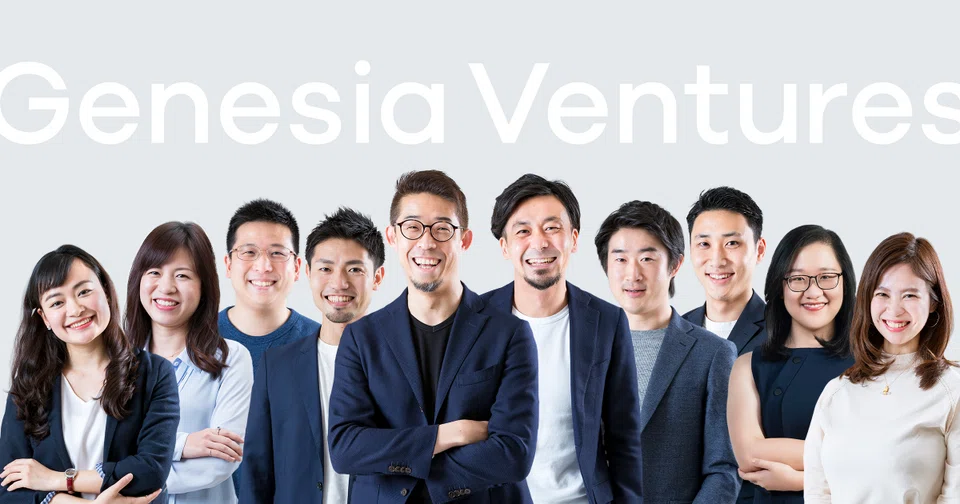
[HO CHI MINH CITY] Even as the global funding squeeze shows little sign of easing, Genesia Ventures – a Tokyo-based early-stage venture capital (VC) firm with offices across Japan, Indonesia and Vietnam – celebrated the final close of its third fund last week at 15 billion yen (S$146.4 million).
This exceeded its target of 12 billion yen, and the announcement came less than a week after its Vietnamese portfolio company BuyMed raised US$51.5 billion in a Series B funding round.
“We do not slow down or speed up our investment pace because of a weak yen, a gloomy market or a lower startup valuation prospect,” said Hoang Thi Kim Dzung, the country director of Genesia Ventures Vietnam, in an interview with The Business Times. The yen has weakened by about 25 per cent against the US dollar in the last two years.
“We are disciplined investors with a defined set of investment principles,” she added.
Even during the 2021 funding peak, Dzung said that the team did not invest heavily despite the flow of easy money. She attributed the recent fundraising effort to this “consistent approach” and the “accumulated trust” from long-term partners.
Genesia’s first two 10-year funds completed the final close in 2017 and 2020 and have yet to realise the full return. The third fund saw the participation of some previous partners including Mizuho Bank, Mizuho Capital, Canal Ventures, and Oriental Land Innovations.
These milestones have bucked current trends as global startup funding has dried up since last year with investors around the world adopting a more cautious approach.
In the first quarter of 2023, US funding for startups dropped by around half to US$32.5 billion, Chinese venture deals plunged 60 per cent to US$5.6 billion, and startups in India raised 75 per cent less than what they did in the same period last year.
The investment climate was no better in South-east Asia. Funding for startups in the region in the first quarter of this year dipped 52 per cent versus a year ago to hit a two-year low, reported DealStreetAsia.
Vietnam – one of the best-performing economies in Asia in 2022 – also witnessed a sharp year-on-year decline of 49 per cent in startup funding in the first three months of 2023, Tracxn said in its quarterly tech report.
With less capital coming in from the VC community, Mekong Capital predicted that Vietnamese startup valuations could fall by half in some cases from their 2021 peaks in the next six to 12 months, Nikkei reported.
Mekong Capital, the country’s oldest private equity firm, is also looking to launch a new fund in Vietnam next year to capture this “massive opportunity”.
Dzung echoed this view as she said that business performances were often inflated in the “cheap money” era, which drove up valuation expectations.
During that period, some companies leveraged top-line revenue as quickly as possible by deliberately “buying growth” through massive advertisement or promotion campaigns, mixing up perceived growth potential with realistic growth value.
“Growth must originate from compelling products and services that customers are willing to pay for even with a tightened budget,” she said. “Today is the time when companies having substance beckon and become more appealing.”
In 2020, Genesia co-led BuyMed’s US$2.5 million pre-Series A round with Sequoia Capital India’s Surge. In the past three years, Dzung said BuyMed avoided buying growth during the cheap-money era and remained resilient during the current funding winter.
The startup today has a presence beyond Vietnam with customers being mainly traditional pharmacies in rural and remote areas, contributing to the digitalisation of the overall healthcare sector.
This also partly reflects Genesia Ventures’ investment mission to “build a platform that creates sustainable industries in Asia”.
To date, the Japanese VC has invested in more than 140 startups, which are tackling issues falling under six key categories – a circular economy; a prosperous lifestyle; equal access to information and opportunity; knowledge; coexistence and symbiosis; and a healthy society.
At the end of 2021, Genesia Ventures signed the UN Principles for Responsible Investment and formed its environmental, social and governance (ESG) investment policies.
The firm uses ESG checklists when assessing investment opportunities and applies its own ESG solutions for post-investment engagement.
“We don’t want to invest in businesses that are zero-sum games where one person’s gain is the other person’s loss,” Dzung noted. “We believe that core values – with proper consideration to positive social impact – will serve as a North Star to help companies make the right decisions in this ever-changing business environment.”