Anwar meets Malaysia’s subsidy problem head-on
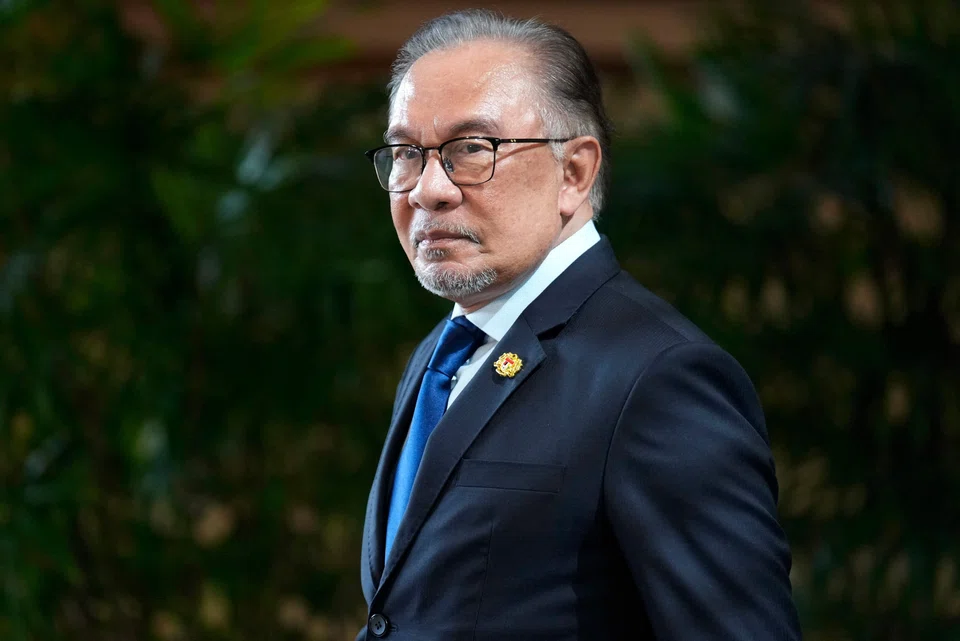

MALAYSIAN Prime Minister Anwar Ibrahim has been uncharacteristically feisty in recent weeks when defending his government’s decision to remove a subsidy on diesel that saw its price rise by more than 50 per cent at the pump. He also warned that petrol subsidies are next on his list.
Anwar, who is also the finance minister, said that previous governments too had wanted to reduce the number of subsidised goods and services but lacked the nerve to act.
Of course, Anwar should be commended for recognising that the country does have a problem with subsidies and other outlays that drain the Treasury of funds that might have been better used to enhance national development. Over the years, previous occupants of Putrajaya kept adding to taxpayer-funded support schemes for goods deemed essential, including chicken, eggs, rice and some types of cooking oil. Household electricity supply and petrol are also subsidised.
However, the biggest item on the national expenditure list is the ever-growing civil service pension bill. Civil servants number some 1.7 million out of the country’s population of 33.4 million. In 2010, civil service pensions cost the Treasury RM11.5 billion (S$3.3 billion). This year, the figure is estimated to hit RM32.45 billion, a whopping 182 per cent increase amounting to 10.7 per cent of total national operating expenditure. A review, including pensions due to retired MPs and state legislators, has been ordered.
Another troublesome issue is states’ demands for a greater share of tax revenue raised within their borders.
Sarawak and Sabah are first in line. Given that Sarawak’s estimated and proven petroleum reserves represent close to 61 per cent of Malaysia’s total reserves and Sabah’s make up around 19 per cent, any change in the current system would leave a hole in the federal Treasury’s balance sheet.
Now the Johor state government has proposed that Putrajaya return 30 per cent of its contributed tax revenue. At present, it gets back 3 per cent. The state argued that it needed financial autonomy to transform Johor into another growth region, beyond the Klang Valley which accounts for about 40 per cent of the country’s gross domestic product.
Earlier, Penang state leaders proposed at least 20 per cent of revenue raised to be returned for similar reasons.
To be sure, such demands are not unique to Malaysia. Other federated nations such as India and Australia also face such demands. The richer southern Indian states regularly bemoan their GST revenues being siphoned off to support poor northerners. In Australia, state leaders in the wealthy cities of Sydney and Melbourne routinely complain about how much of their revenue goes to developing the rest of the country. Suffice to say central governments are generally loath to compromise on their revenue arrangements.
That said, Anwar was only being realistic when he acknowledged that tampering with subsidies or pensions would meet resistance. And, for a politician who took some hard knocks in his quarter-century pursuit of the top job, he kept his sangfroid about the potential political cost. “I don’t care if people want to criticise me, but as long as I have the mandate, I will do it. When the time comes for me to go, I will go.”
The small protest rally in front of his office last Saturday (Jun 29) could be a foretaste of things to come. The prime minister will need to keep his legendary composure and nerve in the months ahead to pursue his reform agenda.