


Art, technology, and where we are headed
 Add BT as a preferred source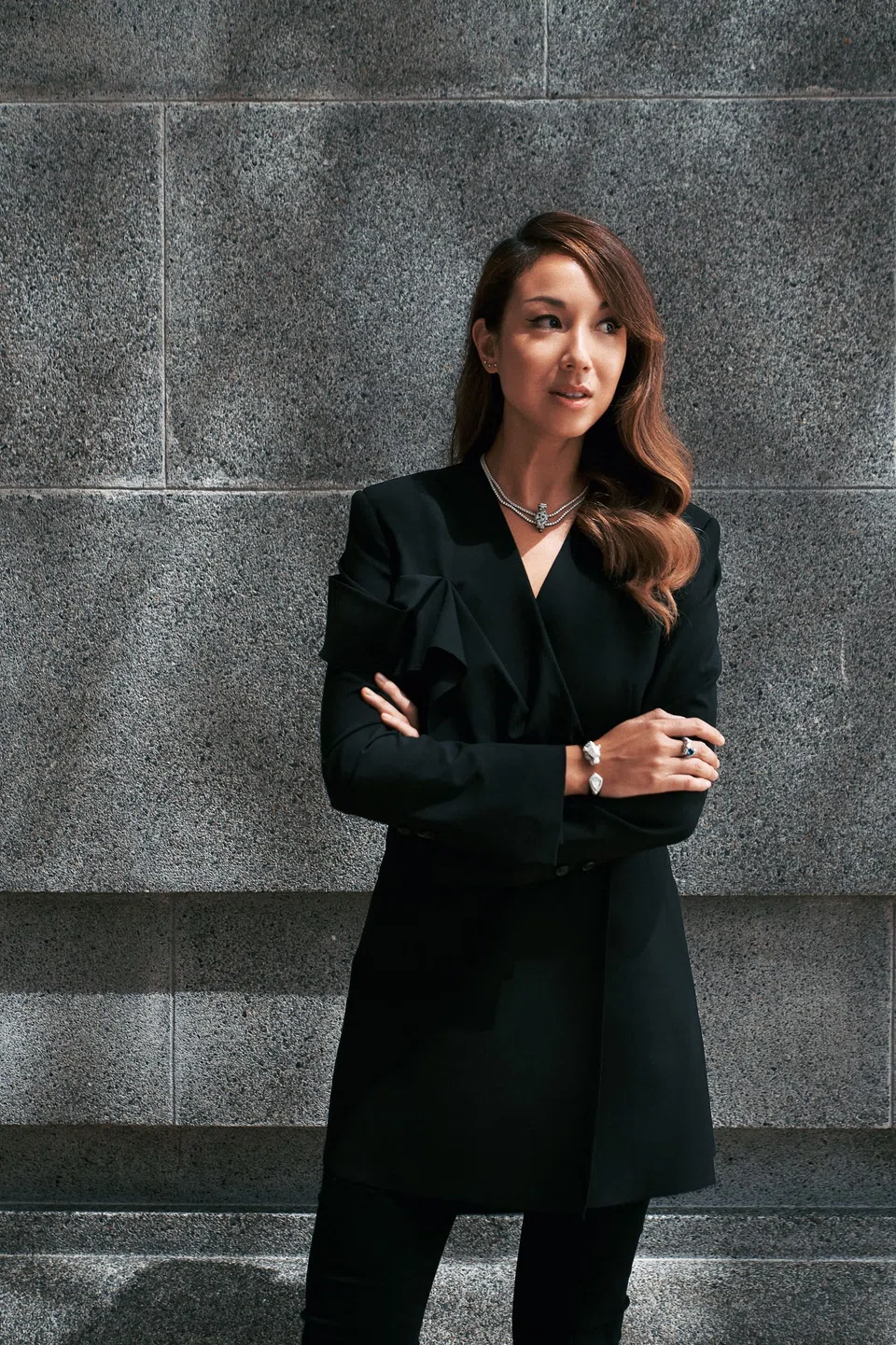
Art and technology have increasingly gone hand in hand, with artists always being some of the first few to experiment with new technologies and ideas, enabling them to push their practices further. This past year has 'supercharged' the adoption of new technologies across the art industry, be it the galleries, artists, design studios, or art institutions.
Many previous tech skeptics were forced to jump on the digital bandwagon. The message was clear - get online or lose your visibility completely.
Traditionally, art has required a physical, in-person interaction. It is difficult to compare seeing a small digital image on a screen (sometimes not at the best resolution), with experiencing a monumental painting in the flesh, feeling its scale and colours engulfing you as you stand before it. Yet, the COVID-19 pandemic has shown us that this physical experience of art is certainly not as easily accessible as it used to be, and that other avenues need to be explored.
In 2020, as an art e-commerce website and art advisory, we had grave concerns that we'd see a substantial drop in traffic and revenue due to decreased interest in spending on art and design pieces. On the contrary, we saw a surge in artwork and seller listings, bringing our online inventory value to over US$320 million, as well as a 90 per cent increase in online sales revenue.
Many artists and galleries who previously resisted creating an online presence, quickly realized that if their brick-and-mortar spaces could no longer be visited by the public, the only way to get their works in front of an audience would be to list them online.
Developing new models
Navigate Asia in
a new global order
Get the insights delivered to your inbox.
Art fairs could no longer host in-person events and needed to move fast to launch online viewing rooms (OVRs) to ensure their partner galleries and collectors could continue to liaise and interact without the physical fair booths.
Indeed, many new collaborations have blossomed. Last year, Art Jakarta, a major art fair in Indonesia, launched the first digital virtual art fair in Southeast Asia in partnership with smart device brand OPPO.
The digital fair was laid out in the same way the physical fair would have been, with booths and corridors, but it allowed viewers to traverse the entire fair and explore further details about each artwork directly on their screens.
This new breed of art fairs allows viewers from all over the world, regardless of their location, to view and learn about artworks without the usual associated costs and intimidation factor of going into a fair as a newbie.
Art Basel Hong Kong also experimented with a new hybrid model earlier this year, where a smaller physical fair was launched in conjunction with OVRs and private online tours for collectors.
The past year has been an extremely challenging time for everyone, and especially so for creatives. Many have turned to social media as a key platform to reach new international audiences , allowing artists to share more about their work and practice, as well as giving customers direct insight into the artists' creation processes.
In fact, by the end of 2020, the online market size had doubled in size from the year before, an unprecedented growth compared to previous years.
New trends in the art space
Cognizant of this need, our main focus has been to improve our seller tools and back-end systems so that artists and designers on our platform can use their pages as their own personal online gallery spaces and 'shoppable' portfolios.
The visualisation of artworks in-situ has been a major hurdle in terms of understanding scale and how art pieces translate into physical spaces. Thus, various technological solutions have been developed to alleviate this pain point.
For example, The Artling's iOS app has an Augmented Reality feature that allows users to view an artwork that they may be interested in purchasing directly in their own space, right from their mobile phones or tablets.
On the topic of engaging digitally with a new generation of collectors, the latest craze to hit the world is NFTs (Non-Fungible Tokens).
This has created interesting dialogues between the crypto world and the art industry. The buyer of the record-breaking US$ 69 million sale of a Beeple (an American digital artist) JPEG artwork with Christie's is based in Singapore, and many in the region are eager to understand more about the concept of NFTs and the opportunities that lie ahead.
Numerous NFT marketplaces currently exist and we foresee massive potential in bridging the gap between the existing (more traditional) art world and these new technologies.
We anticipate that there will be consolidation within the market, and more curated offerings of art-led NFT marketplaces will arise. For artists, NFTs are a chance for them to explore digital media in a new way, as well as to take control over the secondary market of their works, as NFTs provide them with royalties for authorized resales of their works.
Blockchain certification and authentication offers a new way to prove the provenance of an artwork and increase the transparency of these typically opaque transactions. This technology will undoubtedly prove invaluable in the future, offering up alternatives to creators and collectors alike.
With the world facing different levels and paces of post-pandemic recovery, we remain excited for the opportunities ahead.
While we are a digital platform, we have a large portfolio of projects, with our latest being a series of stunning resorts in the Maldives for Pontiac Land Group. Hospitality operators are seemingly optimistic about the post-pandemic recovery and are anticipating unprecedented levels of enquiries and occupancy. As places reopen, people will venture out again and will seek new experiences.
One of the positive aspects of this past year and a half is that it has provided the opportunity for many to get creative and refresh their perspectives. Technological developments have allowed for increased transparency in the art industry, more direct communication between creators and buyers, and as a result has made art institutions, galleries, and online platforms such as ourselves, rethink how technology can be better used to engage with a wider audience. The old model is outdated and we must look towards the future, continuing on our mission to provide artists, galleries and designers with the best possible platform to share their works on the global stage.
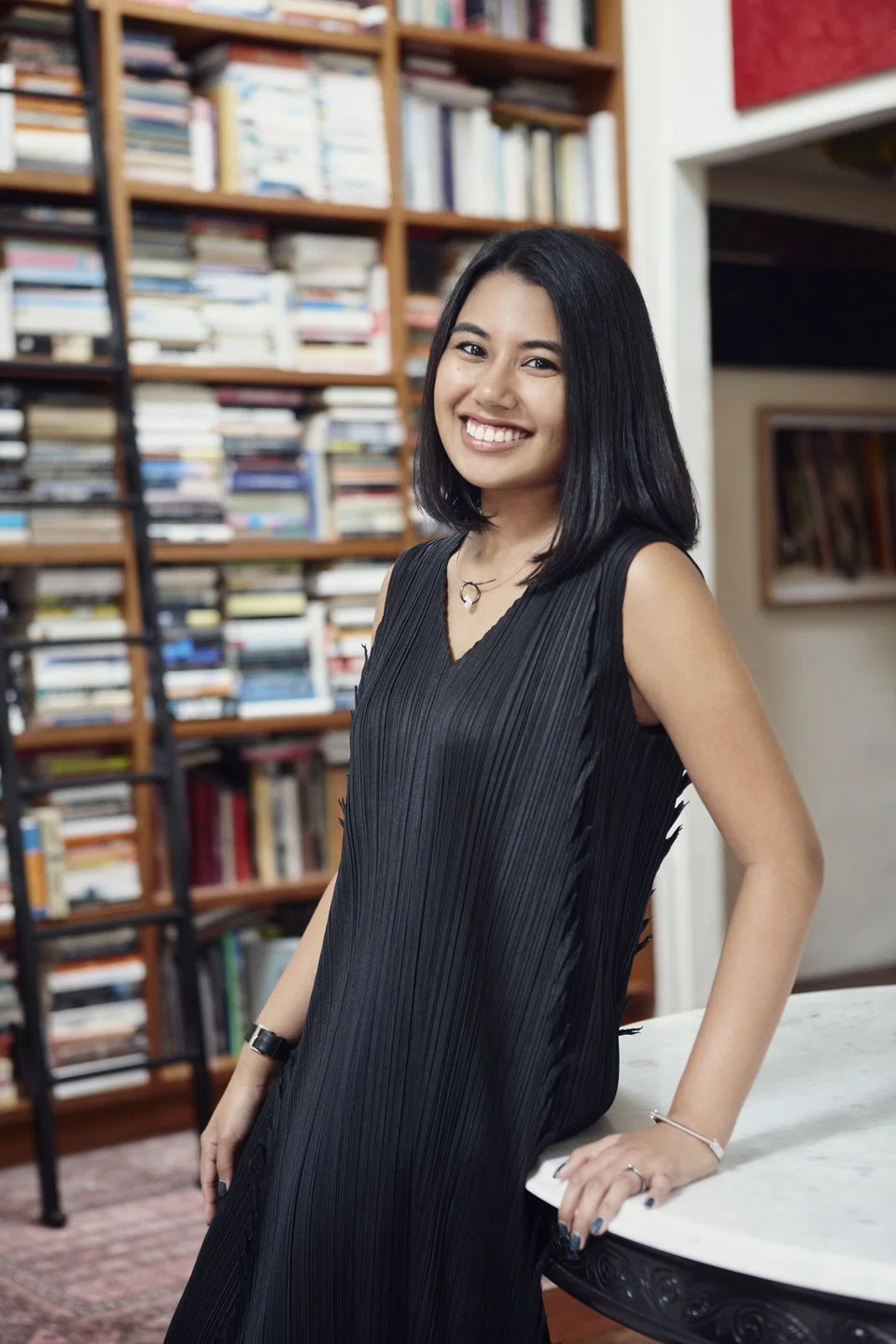
Talenia Phua Gajardo is CEO of The Artling and Kim Tay is gallery director of The Artling.
Decoding Asia newsletter: your guide to navigating Asia in a new global order. Sign up here to get Decoding Asia newsletter. Delivered to your inbox. Free.
Share with us your feedback on BT's products and services

