Different cultures in China’s ‘Big Factories’
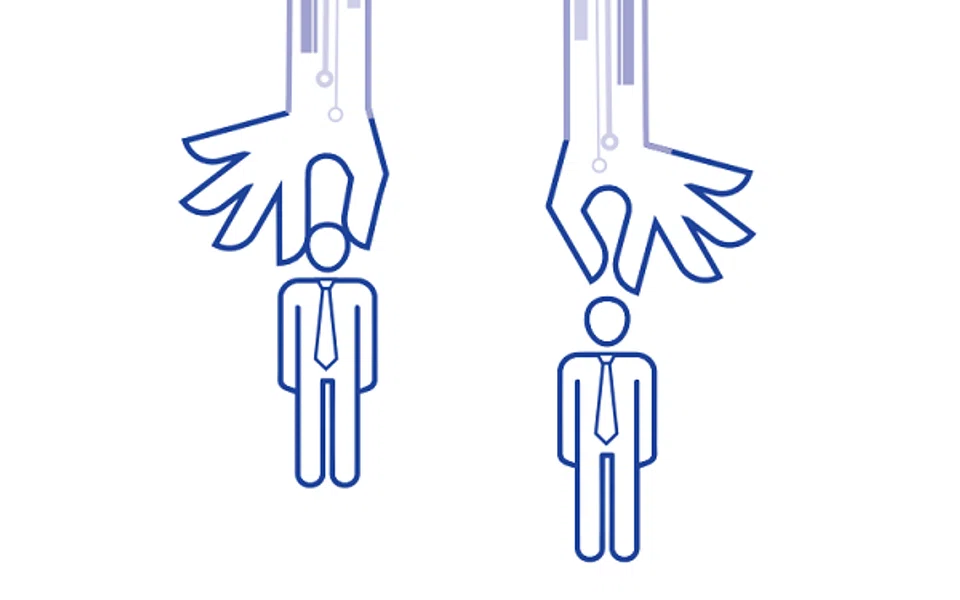
THEY may be alike in offering attractive benefits and salaries, but China’s ‘Big Factories’ – as their big tech firms are dubbed – differ in culture and work environment, creating vastly different experiences for employees and proving an important factor in jobseekers’ decisions.
Tech talent platform NodeFlair’s latest report showed that aside from salary packages, jobseekers’ decisions also take into account work environment, professional environment, and company culture. Some Chinese tech companies that have entered Singapore in recent years have adopted management styles that are closer to those of other multinationals, to become more attractive to talent.
Ye Jiahui (pseudonym), who left the public sector for a China tech firm, has experienced this keenly in her current position. Although her employer was a Chinese tech titan, its management and organisational structure was more global and localised to Singapore, resembling a global MNC in its operational model and company culture: “You don’t really feel you’re working in a Chinese company.”
Ye believes that after a certain stage in one’s career, salary is no longer a key consideration. Rather, the focus shifts to the company’s culture: whether personal space is respected, work-life balance is possible, and there are enough employee perks to make workers feel cared for.
To show respect for employees’ personal boundaries, her company has an unwritten rule discouraging contact with employees outside of work hours except for urgent matters. If an emergency arises, clear explanations should be offered along with apologies, “and there shouldn’t be assumptions the other person will respond immediately”, she said.
But not everyone who made the switch to a Chinese tech company in this talent war has found it easy adapting to a new work culture. Li Zimeng – who had looked forward to the Big Factory experience – faced more challenges.
Two months after joining the new company, Li chose to resign and return to his former employer because he could not adjust to the new environment. Fortunately for him, as wages in the sector had risen, his former employer could match the salary package he was receiving at the Chinese company.
Li said he left for two main reasons: the incompatible pace of work and difficulties in adapting to the new company’s culture.
Because he worked closely with the headquarters in China, his hours had to be aligned with theirs, and routine work meetings often started after dinner at 7pm. What Li found even harder to handle was the fact that many meetings had no agenda or timetable, and discussions would go on indefinitely, only ending past 9 or 10pm.
Last year, China’s authorities called an end to the culture of working overtime, Huawei’s “wolf culture” of intensity, and other problematic norms. Companies such as Bytedance, Kuaishou, and others started to ease pressure on employees to work during weekends.
Li said that while the “996” culture – working from 9am to 9pm, 6 days a week – is not common in Singapore, after-dinner meetings still encroach on an employee’s personal or family time. He said: “At the time, I was attending all kinds of panel discussions or evaluation meetings practically every day. When childcare was most needed at home, I was stuck at my desk, listening to the children screaming and crying outside, unable to help.”
Li, who is a father of two, felt while the ‘Big Factories’ seemed an attractive proposition, sacrificing family life might not be worth it. “Maybe it’s more suited to young people who are still single, but for me, it buried any notions I had of joining a Chinese tech giant.”