EVs may not be clean amid South-east Asia’s slow energy transition
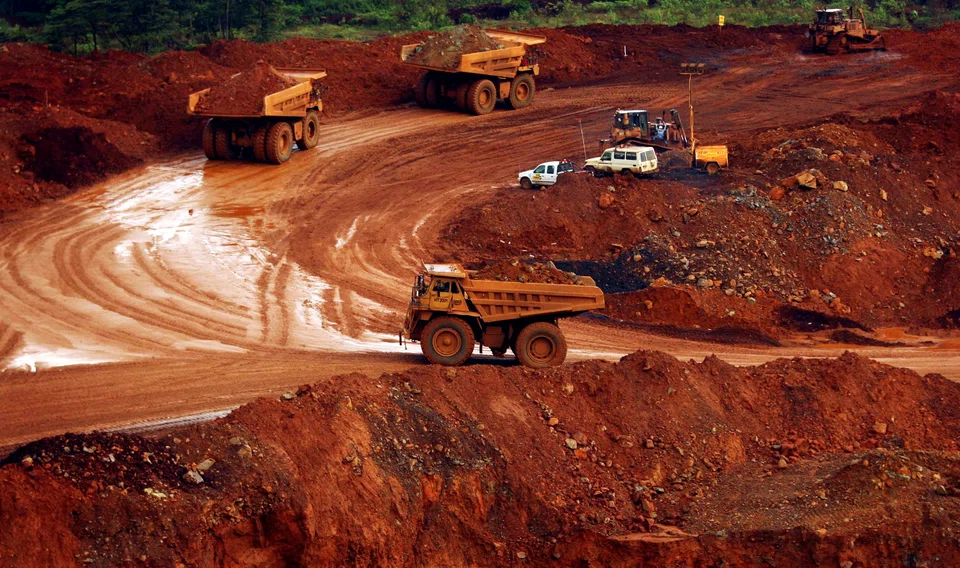
GOING electric is commonly seen as an important step in the switch to clean energy. But some environmentalists worry that South-east Asia’s clean energy transition is lagging behind the pace of electric vehicle (EV) development, while the region’s nickel mining industry may even exacerbate environmental problems.
Nickel is a key component of the batteries used in EVs, and Indonesia and the Philippines are respectively the world’s biggest and second biggest nickel producers, with the former producing 37 per cent of the world’s nickel. Over the last 3 years, the environmental impact of Indonesia’s nickel mining industry has stirred increasing concern among related organisations.
Early this year, the Action for Ecology and People’s Emancipation (AEER) non-governmental organisation issued a report highlighting the pollution caused by nickel mining in Indonesia’s Obi Islands – the archipelago’s source of drinking water was found to contain the carcinogen hexavalent chromium. In 2019, violent demonstrations against the nickel industry broke out in Kendari, the capital of South-east Sulawesi.
Furthermore, most of South-east Asia still relies on coal for power. Tata Mustasya, regional climate and energy campaign coordinator at Greenpeace Southeast Asia, pointed out that in Indonesia – the region’s most populous country – 58 per cent of electricity still comes from coal.
The push to transition to EVs in South-east Asia is driven by economic considerations, and energy and environmental considerations are secondary, said Tata. If the region is serious about tackling environmental issues, the development of EVs must go hand in hand with the energy transition from coal to clean and renewable energy. Otherwise, “the increasing use of EVs will only shift emission from the transport sector to the power sector”, he said.
Sharon Seah, senior fellow and coordinator of the Climate Change in Southeast Asia Programme at the ISEAS–Yusof Ishak Institute, observed that “transitioning to EV may be sexy”, but this will be superficial if not accompanied by the transition to renewable energy. “EVs that are charged using fossil-fuel generated energy defeats the purpose of switching to EVs.”
Wong Siew Fong is Lianhe Zaobao’s Beijing Correspondent. This article is part of a collaboration on a series of weekly features translated from Lianhe Zaobao. The original story first appeared on July 10. The next package on July 25 will take a look at the rise of Generation Z Chinese consumer goods in South-east Asia.