Singapore’s edge in new energy, advanced manufacturing
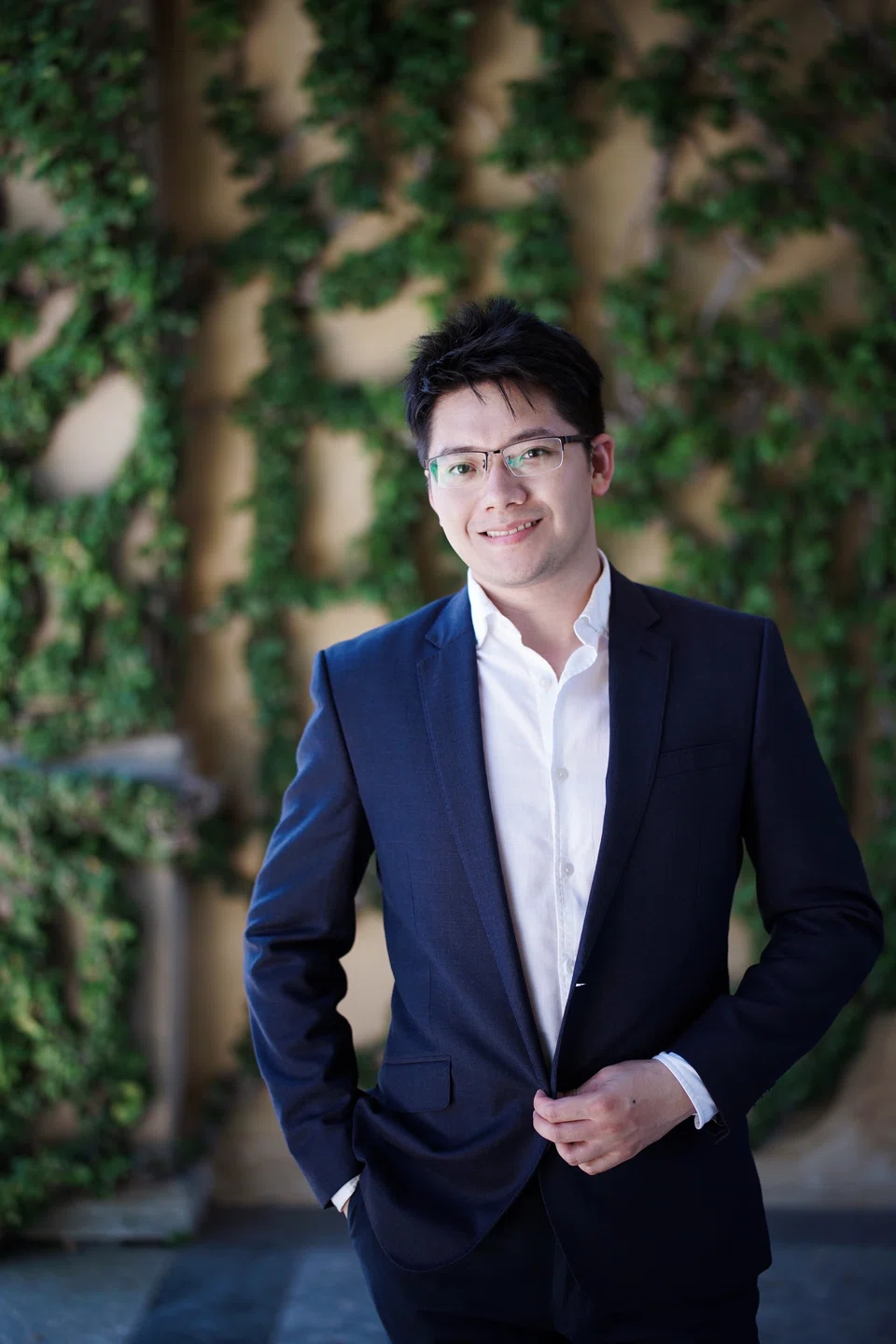
ACCORDING to Franklin Medici Family Office’s chief executive officer Augustus Xu, only about 20 per cent of family offices have a dedicated investment desk. Another 40 per cent rely on third parties such as private banks or joint family offices, and the remaining 40 per cent consult professional managers before making their own investments.
Franklin Medici is a legal, taxation and asset management consultant for family offices. Since the Singapore Exchange (SGX) approved the listing of Special Purpose Acquisition Companies (SPACs) last year, several family offices that Xu serves have expressed interest.
“We are looking mainly at projects in new energy, such as carbon neutral technologies or new eco materials, including building material and batteries,” he said. “We’ve had in-depth discussions with some companies with potential from Israel, China, the United States, and even Singapore, to see if they were interested in listing on SGX as a SPAC.”
Xu revealed that Franklin Medici itself plans to launch a SPAC within the year: “There are now at least 8 or 9 companies on our list of potential acquisition targets.”
If the deals go through, the acquired companies will move their technology and production here, benefiting the economy, said Xu. “Both new energy or eco-friendly new materials would be a good fit with Singapore, with its advanced manufacturing industry.”
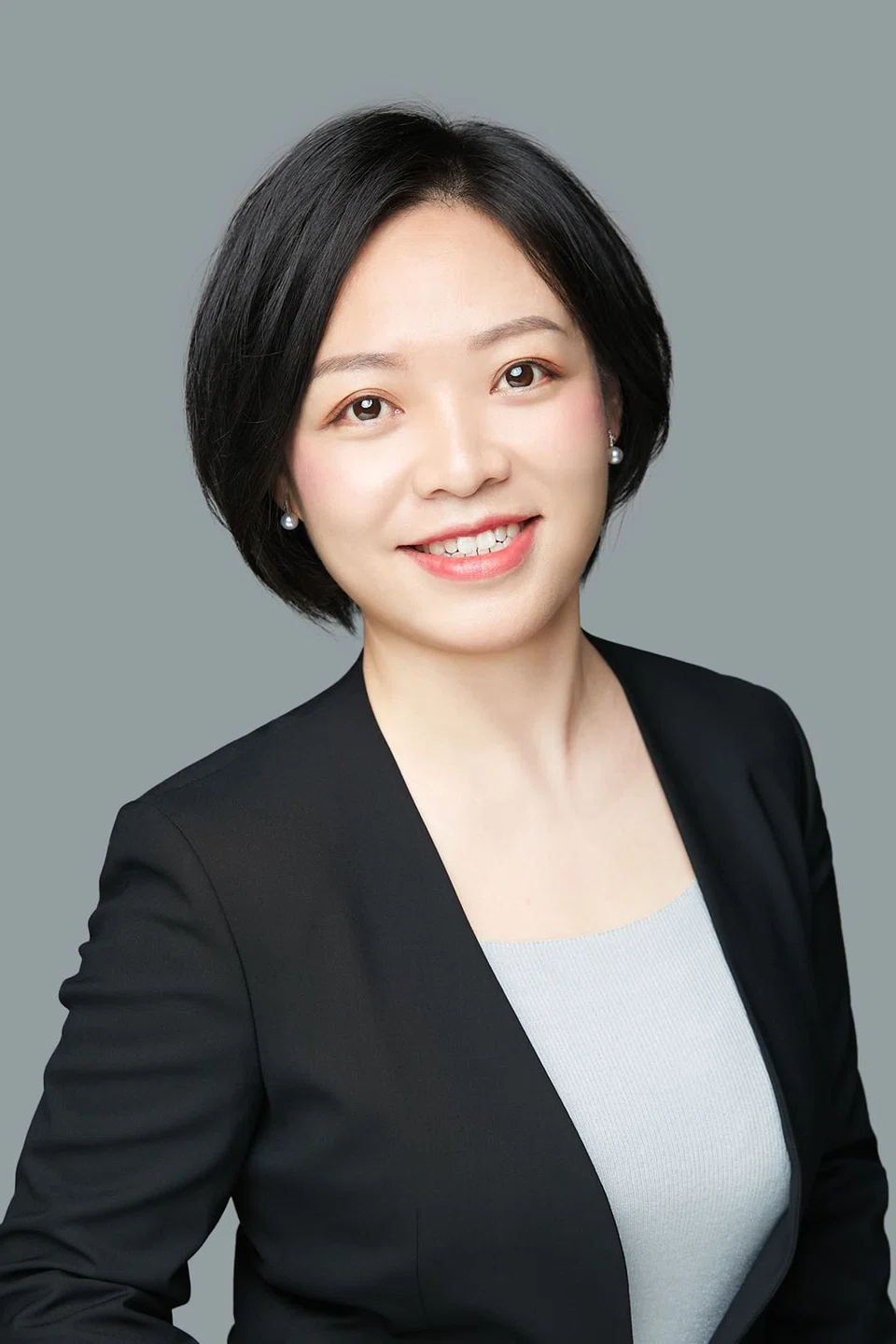
Similarly optimistic about advanced manufacturing is venture capital (VC) fund ZWC Partners. Partner Vivian Xu said the fund’s investors include Chinese entrepreneurs and family offices.
Since it began in 2015, ZWC Partners has positioned itself as a VC fund covering all of Asia. “We started investing in South-east Asia in 2017. We were considered one of the earliest to focus on the South-east Asia market, with teams in both Singapore and Indonesia.”
In the last few years, ZWC has invested more than US$2 million in Singapore and over US$150 million in the whole of South-east Asia. One of its best known investments was in Indonesia’s biggest unicorn GoTo.
Vivian Xu believes Singapore and the rest of South-east Asia offer different investment opportunities. “In Singapore, there are many opportunities in tech-driven innovation, including in enterprise service software due to the digitalisation wave, and advanced manufacturing.”
One local company in which ZWC Partners has invested is WIZ.AI, which has developed voice AI technology that enables call centre digitalisation, with clients in Malaysia, the Philippines, Indonesia, Australia and the US.
“We are firm believers in the megatrend of digitalisation and Internet of Things, with many proven examples in the US and China,” she explained. “We believe that in South-east Asia – especially Singapore, with its good talent pool and many multinational companies’ headquarters or major subsidiaries – there is already a very good client base.”
ZWC Partners is also keeping a close eye on the development of food technology in Singapore, and has seen some promising start-ups. “For example, cultured meat, artificial shrimp, etc. We haven’t made any investments yet, but this will definitely be a key trend in the future.”
Problems that still need to be addressed include mass production, cost optimisation, product, form, and consumer acceptance, she added.
Singapore as a springboard to South-east Asia and South Asia
As Vivian Xu sees it, WIZ.AI’s experience has shown the feasibility of Singapore as a base for South-east Asia and even worldwide markets.
She also sees new opportunities in e-commerce across South-east Asia. “At the start of last year, we invested a significant sum in a logistics unicorn in South-east Asia,” she said, “E-commerce and logistics are definitely a big trend – we are keen to be a part of it and seize opportunities, with multiple rounds of investment.”
Other than the region, Chinese billionaire Liang Xinjun – who has a family office here – noted that Singapore is also a good base for investing in nearby markets such as India. “There are currency controls in India, but global investors enjoy special treatment if they invest through Mauritius or Singapore, and it is also easier to move funds out,” he said.
Optimism about India’s potential has led Liang to invest in several Indian startups, including recently listed logistics company Delhivery, electric car maker Ola Electric, and fintech company KrazyBee.
Liang is also betting on Vietnam, which he sees as benefitting from supply chain relocation. He recently visited Ho Chi Minh City and Hanoi to explore investment opportunities in real estate and banking.
Whether in emerging new technologies or traditional industries, in the virtual or real world, wealthy investors from China deeply believe there are opportunities to be found in Singapore, as they set up here with an eye to entering South-east Asia.