



Talent shortage hampers Vietnam’s move up the value chain
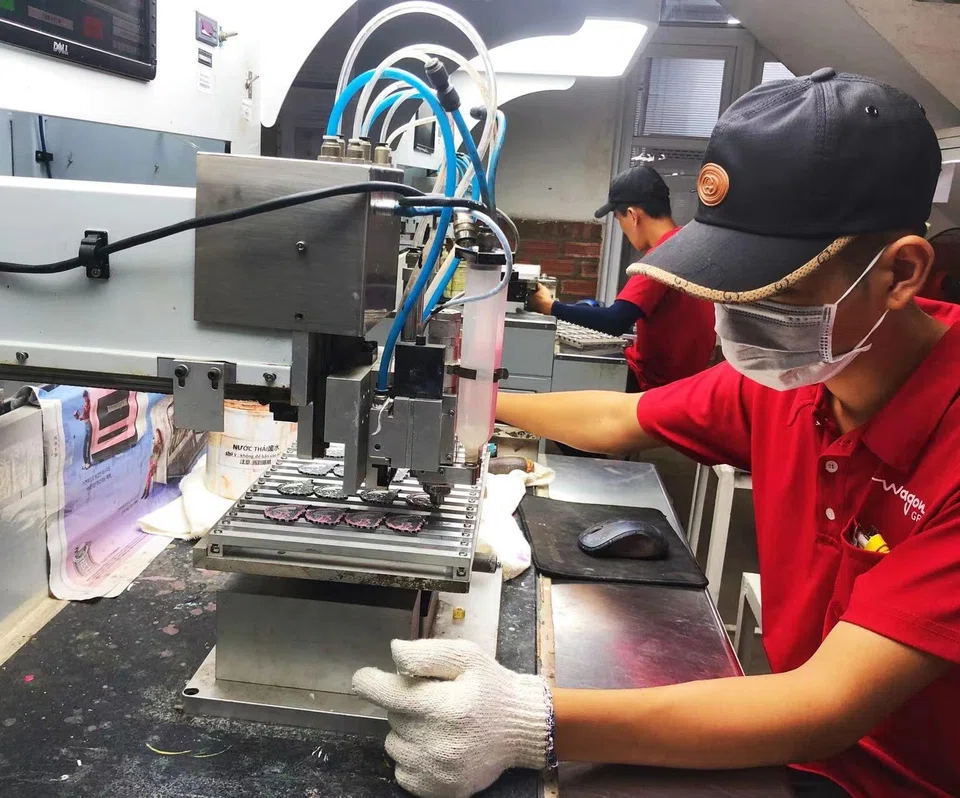
AFTER taking a page out of China’s playbook with its own Doi Moi reforms in 1986, Vietnam has ridden the globalisation wave to become a middle-income country within a single generation.
But Vietnam is not content to remain a subcontractor. In 2021, it announced a long-term development agenda: to become an upper-middle income country by 2030, and a high-income country by 2045. Its 2021-2030 Foreign Investment Cooperation Strategy aims to attract high-tech and high value-added projects.
But Norman Lim, president of the Singapore Business Group in Ho Chi Minh City, thinks that Vietnam’s ambition to move up the value chain “cannot be done within 10 years” as hoped. To him, the biggest obstacle is a severe shortage of professional and technical talent – and the education system required to overcome this cannot be set up overnight.
TRENDING NOW

Once staunchly pro-China, Malaysian Chinese businesses are now distancing themselves from Beijing

Britain’s mansion tax shows the difficulty of targeting wealth
Three hats, one goal: How Ng Kian Swan runs sustainability at NUHS
COE review: The gap between luxury and mass-market cars isn’t the only one worth bridging

