Asia relying on US crude to replace Middle East supply
The war in Iran and near closing of the Strait of Hormuz has choked off crude flows to Asia
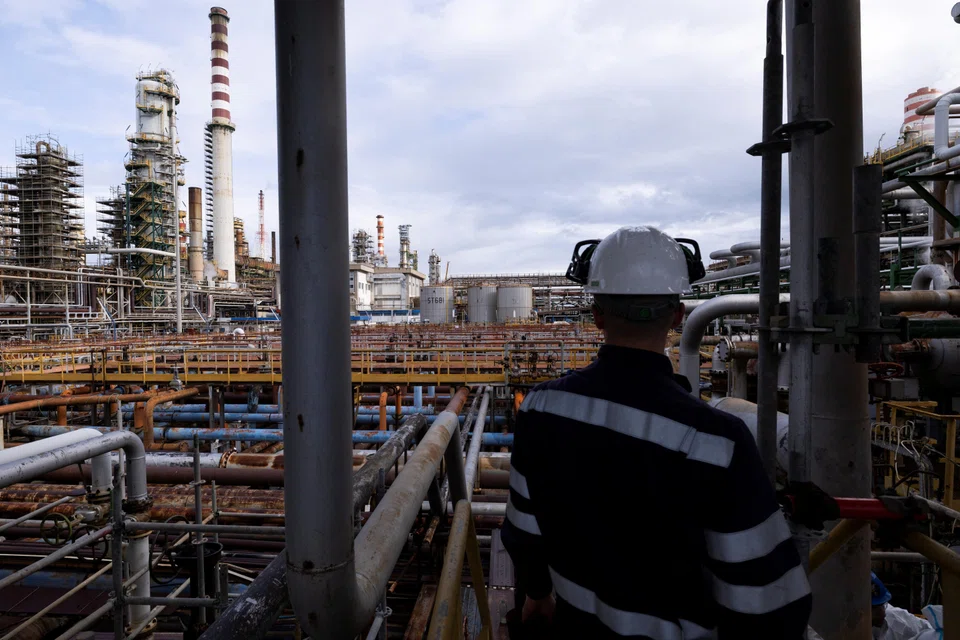
[SINGAPORE] Asian refiners have grown increasingly reliant on US crude as oil-starved fuel makers scour the globe to replace Middle Eastern supply and stave off shortages that could ripple through the broader economy.
Buyers in Japan led the charge to purchase May-loading cargoes from the US early in the month, with South Korean, Singapore and Thai processors also among customers, said traders familiar with the matter. At least 60 million barrels of grades from the US Gulf was bought for loading next month, in line with the tally for loading in April, according to the traders. That was the highest level in three years.
The war in Iran and near closing of the Strait of Hormuz, now in its seventh week, has choked off crude flows to Asia and thrown its refining industry into disarray. The US and Iran are mulling a two-week ceasefire extension, but a blockade from both sides remains in effect. A fuel-making crisis in Asia has already trickled down to everyday consumers and the broader economy, with some governments moving to cut demand, airlines dropping flights and shortages threatening industry.
Most of the US oil headed to Asia would be loaded onto very large crude carriers, known as VLCCs, which carry around two million barrels of crude, and some smaller tankers are also used. These include Aframax tankers, which can traverse the Panama Canal for a quicker journey to East Asia across the Pacific Ocean.
“We don’t see any available for charter VLCC vessel supply over the next two weeks compared to a 90-day average of four VLCCs typically,” said energy intelligence firm Sparta Commodities crude analyst John Coleman. “This is likely a leading indicator of strong bookings and a looming export surge” out of the US Gulf Coast.
US government data showed exports of oil, including crude and refined products, reaching a record 13 million barrels a day last week. Of that, crude shipments jumped to more than five million barrels a day to reach the highest since September.
“It’s like every vessel owner right now is thinking: okay, I cannot load in the Middle East Gulf, I think the Atlantic Basin is the only region” with alternatives, said Rohit Rathod, a senior oil market analyst at Vortexa. “We do expect US Gulf Coast exports to remain elevated in the coming months, even if the conflict was to end tomorrow.”
Most of the purchases for the 60-million-crude tally were done earlier in the month, traders said. Deals in recent days have slowed, with prices of US oil delivered to Asia having rallied to exceed Middle Eastern ones, they said, making it less economical to ship.
Asian nations had also placed more orders of Alaska North Slope crude – a higher-sulphur variety that’s similar in quality to Persian Gulf crudes, traders said. Earlier this month, Alaskan North Slope oil traded at record levels, reaching a premium of as much as US$10 per barrel to the global Brent oil benchmark.
SEE ALSO




The premium for Mars, a key US sour oil grade that buyers are using to replace Middle Eastern barrels, spiked in April to more than US$15 a barrel above the North American benchmark West Texas Intermediate, also an all-time high.
Still, US oil remains attractive even at elevated prices. “US origin crudes are some of the few non-Hormuz connected grades showing positive margins into Asia on paper currently,” Sparta’s Coleman said.
Asia’s fierce buying has also pitted refiners in the region against their global counterparts, with some of the volumes bought for Asia having originally been booked for processors in Europe. The Netherlands is the single biggest buyer of US crude, with South Korea coming in second, according to official data.
There remain efforts on the part of some Asian refiners to reach for oil from the Middle East. Shipbrokers and traders report vessel fixtures for supply that would load inside the Persian Gulf, mostly from Indian state-owned refiners, representing attempts from buyers to test access to the Middle East. But until the Strait of Hormuz is clear for vessel traffic to continue, supplies are set to remain low from the Persian Gulf.
Meanwhile, American purchases of oil from the Middle East, home to the world’s largest refining fleet, are tanking. US imports of Saudi Arabian oil have fallen to just under 250,000 daily barrels from almost 800,000 barrels a day in February. The US has looked to Latin American grades to backstop displaced Middle East supply. BLOOMBERG
Decoding Asia newsletter: your guide to navigating Asia in a new global order. Sign up here to get Decoding Asia newsletter. Delivered to your inbox. Free.
Share with us your feedback on BT's products and services