



Asia’s last holdout against strong US dollar falls
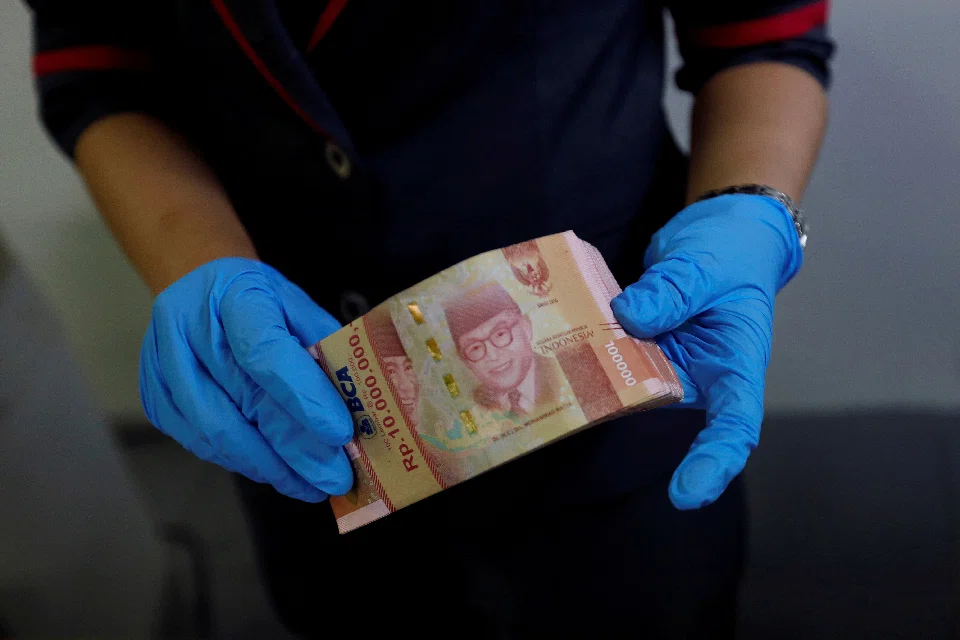
ASIA’S last currency standing against the US dollar this year has fallen, with the rupiah joining regional peers to erase gains against the strengthening greenback.
The rupiah dropped as much as 0.4 per cent against the US dollar on Tuesday (Oct 3), losing all its gains after rallying over 6 per cent in the first four months of the year. All other Asian currencies are already in red against their US peer, which has advanced in the past 10 out of 11 weeks.
“Higher US yields and stronger US dollar have been the key driver of the rupiah’s recent weakness,” said Vijay Kannan, a macro strategist at Societe Generale in Singapore. “This should continue to be a headwind for bond flows and the rupiah.”
While most emerging Asia benchmark rates are at or near their terminal levels, the US Federal Reserve may hike even more. The rupiah has not been immune to the Fed’s higher-for-longer mantra. It has been weakened by capital outflows, as a narrowing yield differential with the US sapped the appeal of rupiah bonds. Indonesia’s policy rate is offering only a 25 basis point premium over the upper bound of the Fed fund target rate.
Overseas investors pulled out US$1.1 billion from the nation’s bonds in September, the largest outflow in a year. As a result, Indonesia’s 10-year government yield has climbed above the 7 per cent psychological threshold.
Bank Indonesia has so far not signalled further rate increases but turned to other monetary tools to lure global bond flows. It introduced the so-called SRBI bills in September, which have not yet proven effective in curbing the rupiah’s losses. BLOOMBERG
Decoding Asia newsletter: your guide to navigating Asia in a new global order. Sign up here to get Decoding Asia newsletter. Delivered to your inbox. Free.
Share with us your feedback on BT's products and services
TRENDING NOW

Singapore identifies 7 firms responsible for haze fires, notices issued urging action: Grace Fu

‘How many will survive?’: Bubble fears arise as China’s humanoid robotics face reality check

GIC-backed Bank Jago sees wealth management as next growth engine as Indonesian investor base grows

Ageing in Asia: Huge potential for the consumer economy

