



Awareness of ESG gaining momentum in Malaysia, says Surbana-owned consultancy SMEC
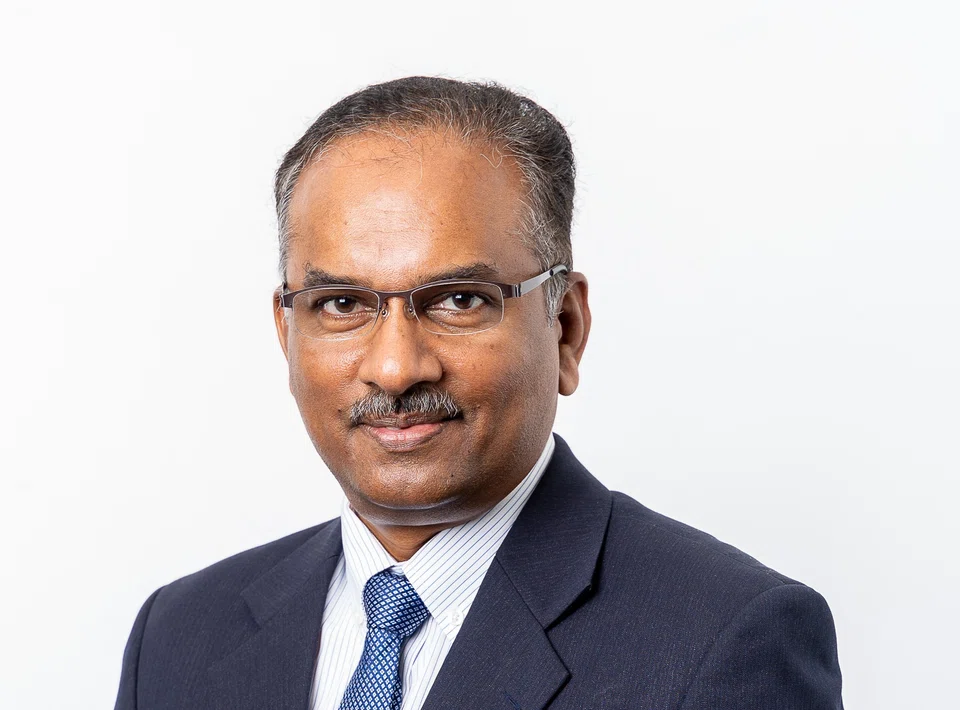
Tan Ai Leng

MALAYSIA, which has long relied on coal and natural gas to generate electricity, is working towards reducing the carbon intensity from its power sector to meet its targets under the Paris Agreement.
Paving its way towards achieving carbon neutrality by 2050, the Malaysian government is determined to increase the country’s renewable energy capacity from 18 per cent today to 40 per cent by 2035. By doing so, the carbon intensity from the power sector is set to fall by 45 per cent in 2030 and a further 60 per cent in 2035.
Malaysia’s renewable energy sources includes hydropower, solar, biomass, biogas and geothermal, with hydropower currently dominating the renewable energy mix with a contribution of around 86 per cent.
Deemed as a low-carbon source and cost-effective alternative, hydropower plant development is now a key focus of the government to achieve its carbon-neutral targets.
Punitha Rajan Doraisamy, the regional manager of SMEC, said that the awareness of environment, social and governance (ESG) is now gaining momentum in Malaysia and the government and local businesses are willing to take “bolder steps” in the transition to net-zero carbon emission.
SMEC is an urban, infrastructure and managed services consulting firm that is a member of Singapore-based Surbana Jurong Group. It has had a long presence in Malaysia since 1970 and has been involved in various large infrastructure and hydropower plant developments.
“Energy transition is playing a bigger role in every company’s sustainability and growth strategy,” Doraisamy told The Business Times, adding that the company’s Centre of Excellence in Malaysia has garnered attention from many hydropower project operators.
The Centre of Excellence enables SMEC to support the development of hydropower plants, from early-stage feasibility studies in hydrology, geology and ESG impact to the design of the dam and hydroplant, as well as construction supervision and contract management.
SMEC’s involvement in the Nenggiri hydro powerplant in Kelantan involved more than design and construction supervision. The development also resulted in the construction of 2 new townships with infrastructure such as roads, electricity reticulation, water and sewerage for the affected aboriginal settlements.
On the progress of the Nenggiri plant, Doraisamy said that SMEC has completed the design and is now supervising the construction of the project consisting of 3 dam walls. This will create nearly 5,400 hectares of storage reservoir and generate close to 600 GWh of energy annually when it starts commercial operations in 2027.
Other than servicing Malaysian companies, he added that the Centre of Excellence also offers its services to companies from overseas, such as Papua New Guinea, the Philippines and Vietnam.
Doraisamy noted that while working on these projects, the SMEC team also brings in the technical know-how in design and project management to the community, with jobs created for the locals as well.
“The priority for jobs is given to Kelantan residents whenever possible, provided they meet the requirements. Also, the local businesses benefit from the presence of SMEC due to the increased consumption in the area,” he said.
TRENDING NOW

Looking beyond looming CEO succession, should UOB potentially pursue a transformative merger?

Once staunchly pro-China, Malaysian Chinese businesses are now distancing themselves from Beijing

Family offices ‘kept captive’ by relationship managers turn to independent advisers, direct deals
MAS holds monetary policy settings, pausing after two straight tightenings

