



As Bali reopens, the pandemic forces a rethink for smaller businesses
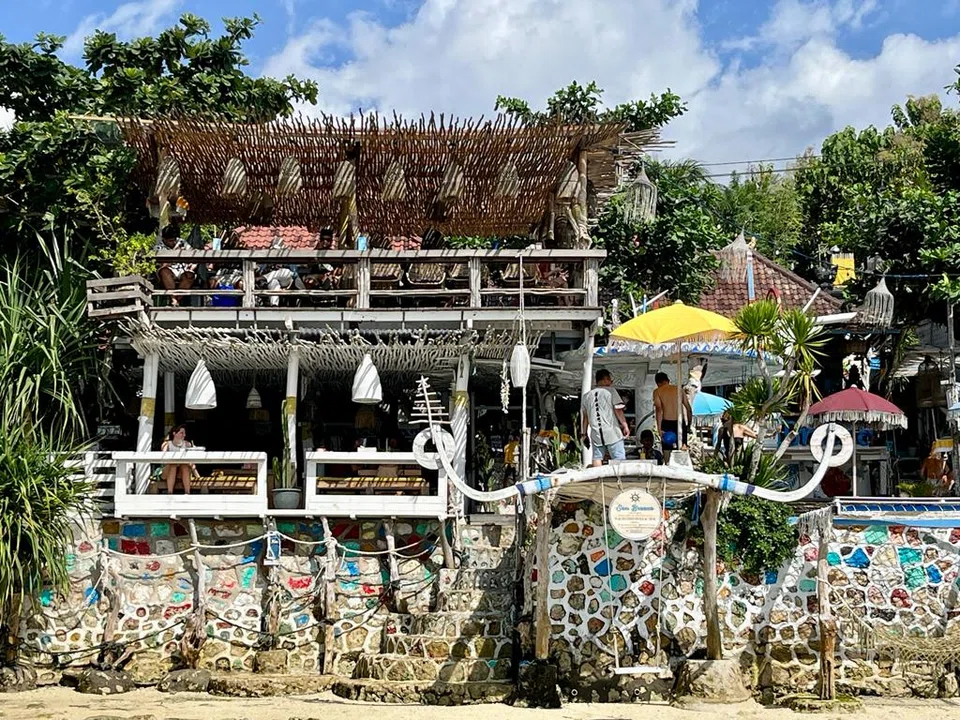
Before the Covid-19 pandemic struck in early 2020, it was next to impossible to get anywhere close to the vantage point at the famous Devil’s Tears cliff on Nusa Lembongan, an island located southeast of Bali. It was common to see hordes of people jostling to get a closer glimpse of the powerful waves that pounded the cliffs, with many looking for that perfect photo to post on social media
Earlier this month during the week-long Hari Raya holiday in Indonesia, several hundred people were seen at the ferry terminal waiting to board the 30-minute boat ride to the island. The terminal was once again buzzing as operators herded passengers onto the ferries, but the numbers are still a far cry from pre-Covid times.
The vast majority of the visitors were local Indonesians, with a handful of foreign tourists. The return of holidaymakers could not have come sooner for the thousands of small businesses that cater to the island’s tourism industry.
“Pre-Covid, we had some 2,000 visitors to Nusa Lembongan daily with 500 of them staying overnight,” said I Ketut Gede Arjaya, the village head for Nusa Lembongan. “But during the pandemic, the whole island was badly impacted with many small entrepreneurs going bankrupt.
With 80 per cent of the island’s 5,000 inhabitants reliant on the tourism industry for work, the fallout was severe with hundreds of homestay operators, local guides and restaurants shutting down over the last 2 years.
Facing economic desperation, many islanders returned to seaweed farming and fishing to make a living.
“If not for seaweed farming, the whole economy could have collapsed. But moving forward, we have to balance our economy,” said Arjaya.
He has initiated numerous efforts to bring tourism players and the local seaweed farmers together by offering tours where visitors can see how seaweed is cultivated.
“These islands have always been known for their natural beauty and great diving spots,” said Arjaya. “But now we have to move beyond those attractions and offer eco-tourism alternatives. My hope is that we can become the first green tourism destination in Indonesia with new regulations that promote electric vehicles and control the number of large buildings on the island.”
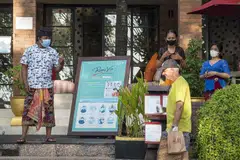

The pandemic has been a wakeup call for both the Bali government and the tourism industry, in terms of the urgency to diversify the economy and provide support for small businesses.
Before Covid-19 devastated Bali’s economy, tourism contributed 60 per cent to the island’s gross regional product. Last year, with much of the world’s borders still shut, the Central Statistics Bureau of Bali reported that a grand total of 51 international visitors arrived in Bali, according to the Central Statistics Bureau of Bali - the lowest number in history.
In 2019, over 6 million international tourists holidayed on the Island of the Gods. As a result, the popular tourist spots of Kuta, Legian and Seminyak are a shadow of their former selves as rows upon rows of shops selling handicrafts, clothes, leather goods and souvenirs remain shuttered with the owners having returned to their villages on Java and other islands across the archipelago. It is not certain that they will ever return to restart their businesses.
With the reopening of the island to international travellers, there is hope that the island can regain its former glory but without the unfettered development of the pre-Covid days.
Bali has faced such hardships in the past with the 1998 political crisis and the 2002 and 2005 bomb attacks devastating its economy. Those setbacks were relatively short compared to the pandemic which has dragged on for over 2 years.
Wayan, who operates a homestay called Lembongan Small Heaven, is hopeful that the tourists will return but he is also fully aware of the need to diversify his income stream.
“It has been a very difficult 2 years and we have struggled to survive,” he said. “In the past, we depended 100 per cent on tourists but now we are more aware that we must also maintain our land, farms and culture.”
Decoding Asia newsletter: your guide to navigating Asia in a new global order. Sign up here to get Decoding Asia newsletter. Delivered to your inbox. Free.
Share with us your feedback on BT's products and services
TRENDING NOW

KKR founders among investors buying 42% of Peter Lim’s Valencia; club valued at US$1.4 billion

Singapore’s central gas buyer affirms Indonesia’s role as ‘important partner’ amid export review warning

Why the biggest business decision about AI isn’t which model to choose
NEA issues notices to 10 Singapore-based companies, including Wilmar and APP, over haze

