



Bursa Malaysia, LSE Group to launch centralised sustainability reporting platform in April: PM Anwar
 Add BT as a preferred source
Tan Ai Leng
DeeperDive is a beta AI feature. Refer to full articles for the facts.
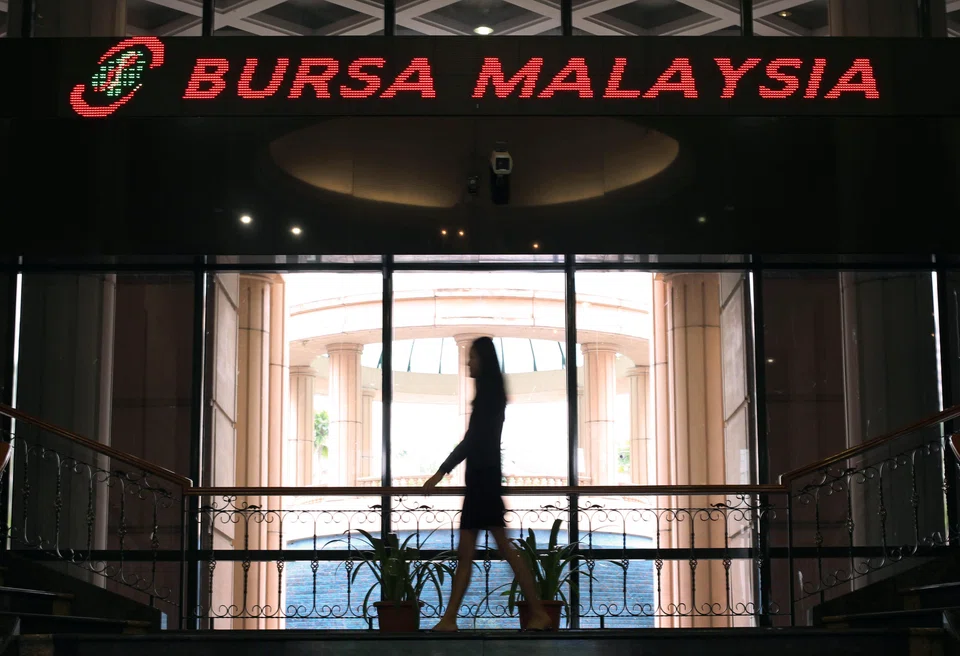
[KUALA LUMPUR] Malaysia’s stock exchange and the London Stock Exchange (LSE) Group will introduce a new centralised sustainability reporting platform in April, to help companies calculate the impact of their carbon emissions.
This was announced by Malaysian Prime Minister Anwar Ibrahim at the Invest Malaysia conference on Wednesday (Mar 8).
Anwar, who is also Finance Minister, said the platform would allow all companies, including unlisted small and medium-sized enterprises (SMEs), to disclose standardised common ESG (environmental, social and governance) data “in a way that conforms to global standards”.
He told the audience that the platform had the potential to be a “key enabler” to Malaysia’s pivot to green, and to support the country’s sustainable development, while creating high-skill jobs for its progress towards becoming a high-income nation.
Malaysian companies, especially plantation firms, are working towards improving their ESG practices amid the European Union’s anti-deforestation regulations that will affect the exports of Malaysian main commodities, including palm oil.
In his speech, Anwar also announced that the government would set up a RM10 million (S$3 million) seed fund to support the country’s green business and its journey to achieve the net-zero target by 2050.
Navigate Asia in
a new global order
Get the insights delivered to your inbox.
This fund will act as an “assured demand” for Malaysian-generated carbon credits that will be traded on Bursa Malaysia’s new carbon exchange, known as BCX.
BCX, the world’s first syariah-compliant carbon exchange, is set to have its inaugural carbon auction on Mar 16.
Turning to the government’s planned capital gains tax on unlisted shares, Anwar gave the assurance that this would not apply to listed shares or initial public offerings in Malaysia, in response to investor concerns over the proposal.


When he tabled the revised 2023 budget statement in parliament last month, Anwar said the government was considering implementing a capital gains tax “at a low rate” for the disposal of unlisted shares by companies from 2024.
With this, he hoped to see more companies press on with their plans to go public. As for listed companies, they would be allowed issuance of dual-class shares.
“We certainly want to ensure that successful startups will have access to later-stage financing here in Malaysia, so that they do not need to seek listings abroad,” he said. He added that government-linked investment companies would set aside RM1.5 billion to invest in home-grown startups.
Also speaking at the conference was Bursa Malaysia chairman Wahid Omar, who noted that the proposed capital gains tax for the disposal of shares of unlisted companies would attract more high-growth technology firms to list in Malaysia, which would in turn spur the country’s listing activities.
The exchange has set a target to have 39 new listings this year, up from 35 in 2022.
At a separate session, Malaysia’s Economy Minister Rafizi Ramli said the government would stop providing direct subsidies to industries that are still facing significant cost pressures due to the rising prices of raw materials or energy.
Without naming specific sectors, he said the government would provide other forms of assistance to help companies with their structural reform efforts, instead of handing out direct subsidies that only serve as a “temporary band-aid”.
“We are open to work with them, but any form of assistance should be structural in nature to increase their competitiveness and robustness. We can’t just give them money,” he said.
Decoding Asia newsletter: your guide to navigating Asia in a new global order. Sign up here to get Decoding Asia newsletter. Delivered to your inbox. Free.
Share with us your feedback on BT's products and services
TRENDING NOW

Air India asks Tata, Singapore Airlines for funds after US$2.4 billion loss
‘Boring’ is the new black: The stars are aligning for a Singapore stock market revival

From 1MDB to ‘corporate mafia’: Is Malaysia facing a new governance test?
South-east Asian markets account for 8.8% of global capital inflows from 2021 to 2024: report

