



Business uproar mounts as Indonesia pushes VAT hike amid sluggish demand
Set to take effect on Jan 1, it adds pressure to an already fragile economy, stoking fears of reduced consumer spending and strained business operations

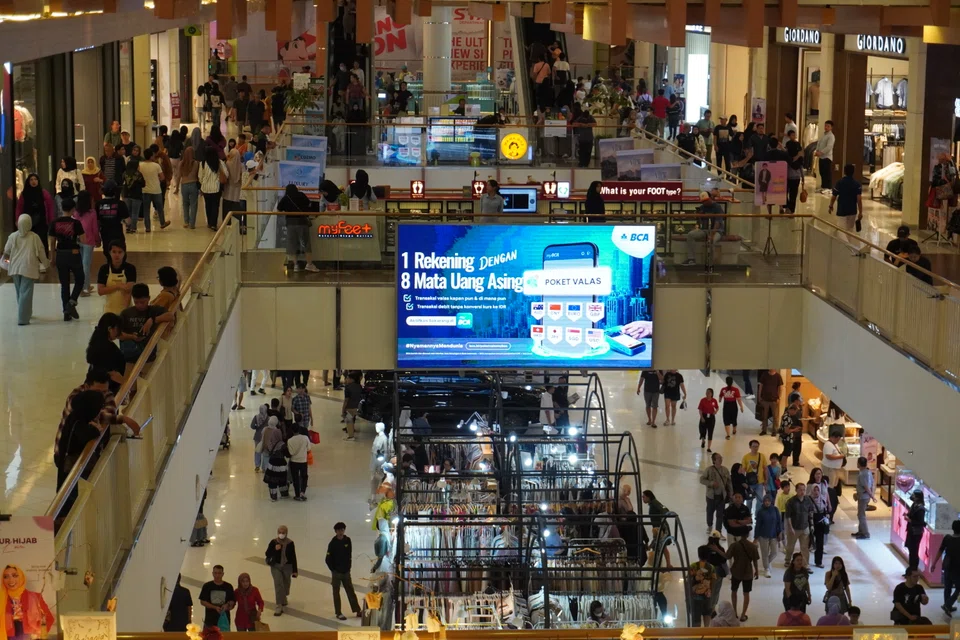
[JAKARTA] Indonesia’s plan to hike its value-added tax (VAT) to 12 per cent, from 11 per cent, starting on Jan 1 has triggered a wave of backlash from consumers and businesses, intensifying fears of weakened spending and economic instability, while placing the country alongside the Philippines as having the highest VAT rate in South-east Asia.
As the clock ticks down, the looming tax hike in South-east Asia’s largest economy is deepening the uncertainty surrounding Indonesia’s economic outlook, posing a significant challenge to President Prabowo Subianto’s ambitious economic agenda.
Several business groups have intensified their lobbying efforts, urging the government and parliament to postpone the hike, warning that the policy could erode consumer purchasing power already strained by rising costs.
Finance Minister Sri Mulyani Indrawati, however, confirmed last week that the long-debated VAT increase, first proposed in 2021, will take effect as planned. During her address to parliament, the Ministry of Finance highlighted that key sectors such as electricity, electronics, construction and apparel will bear the brunt of the hike.
Retailers and small businesses are among the most vocal critics.
Solihin, chairman of the Indonesian Retailer Association, warned that the planned hike could severely impact the retail sector, which is still struggling to navigate shifting consumer behaviour in the wake of the Covid-19 pandemic.
“This hike is a tough pill to swallow. Ultimately, it’s the consumers who will feel the burden. We hope the government will reconsider and delay the increase,” Solihin told The Business Times.
Small-business owners such as cafe operator Ester Natalia fear the ripple effects of higher production costs, driven by rising prices for raw materials, maintenance, electricity and wages. “My biggest fear is that when all costs rise simultaneously while sales remain stagnant, I’ll run out of steam trying to cover the cash flow gaps,” she said. “Worst-case scenario, I might even have to shut down the business – something I dread to imagine,” she added.
To cope, Natalia plans to carefully communicate price increases to customers, framing them as necessary to maintain the quality and service they value.
With mounting resistance and widespread concerns over the hike’s economic fallout, the government faces an uphill battle in balancing fiscal policy with economic stability.
Race to raise confidence
Indonesia is racing against time to battle weak domestic demand and consumer confidence amid efforts to achieve its annual economic growth target of 8 per cent in the coming years.
Bank Indonesia’s latest survey showed a decline in consumer confidence, which dropped to 121.1 in October from 123.5 in September, driven by growing concerns over economic uncertainty, job availability and salary expectations.
The central bank also said that retail sales growth slowed to a six-month low of just 1 per cent, down from 4.8 per cent in September.
Indonesia’s middle class – long a driving force behind private consumption growth – has seen a sharp decline in recent years.
In 2019, data from the Statistics Bureau showed 57.3 million people in the country belonged to the middle class. However, by March 2024, this number dropped to 47.8 million.
Economists pointed to the lingering economic fallout from the pandemic, along with rising inflation and an increasing tax burden, as key factors behind the shrinking middle class.
The government’s tax hikes – widely perceived as unsupportive of the middle class – have sparked swift criticism, amplifying discontent among those already grappling with economic pressures.
On social media platforms such as Instagram and X, many Indonesians have expressed frustration over the planned tax hike, rallying behind calls for frugal living and reduced spending in the coming year as a form of protest against the policy.
This development has further dampened business sentiment, intensifying concerns about the economic outlook for next year, which analysts cautioned could be overshadowed by the looming threat of a broader slowdown.
Eko Listiyanto, vice-director of the Institute for Development of Economics and Finance, emphasised that this is a critical time for businesses to strategise for the year ahead. He cautioned that if public sentiment continues to sour, it will further deepen pessimism among businesses about the challenges that lie ahead.
“The key focus for the first 100 days of President Prabowo’s administration must be to build positive expectations,” he said. “How can that be achieved? The priority should be boosting consumer purchasing power. After all, how can we drive strong economic growth if consumer spending continues to fall?”
The planned VAT hike is also expected to fuel inflation next year. Maybank predicted that a 1 per cent increase in VAT could push headline inflation up by 0.2 to 0.4 per cent.
Indonesia last raised its VAT in April 2022. At the time, the 1 per cent hike caused a 0.9 per cent month-on-month jump in headline consumer price index, driven by soaring food and transportation prices. Core inflation rose 0.4 per cent from the previous month, reflecting the broader impact of the price surge.
First controversial move
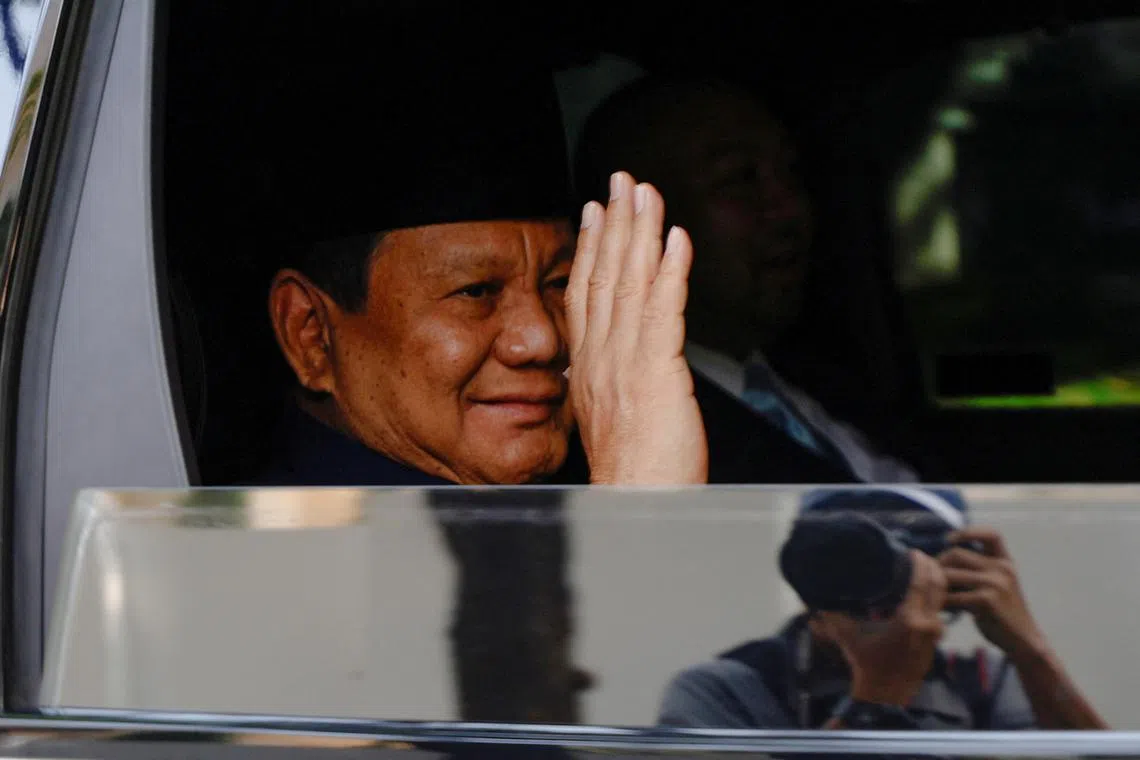
President Prabowo’s approval of the VAT hike is seen as a move that contradicts the populist image he cultivated during his campaign. Observers said that this hike marks his first non-populist policy since taking office as president.
Known for his pro-people stance, Prabowo has frequently advocated for economic programmes aimed at supporting lower-income communities.
Recently, he signed a policy cancelling US$550 million in debt owed by fishermen and farmers, enabling them to clear poor credit histories, access financing and pursue growth within their sectors.
He also quickly formulated a rescue plan for textile giant Sritex, which was on the verge of bankruptcy and facing the potential layoff of 50,000 employees. This demonstrated his commitment to safeguarding both industries and livelihoods.
Achmad Nur Hidayat, public policy analyst at UPN Veteran University, said that these actions are sending a positive signal, helping to reignite public optimism as the new year draws near.
However, he noted that the proposed hike could undermine the president’s efforts to empower lower-income groups and help them climb the economic ladder. “Prabowo should have postponed the VAT hike to maintain that optimism,” he added.
The hike is one of the ways Prabowo’s administration aims to boost tax revenue amid the ambitious government spending plans, including funding flagship programmes such as free school lunches for children.
The government is targeting tax revenue of 2,189.3 trillion rupiah (S$185.3 billion) next year, marking a 13.9 per cent increase compared to the 2024 outlook.






