



Climate risks, great power rivalry the top concerns for South-east Asian nations: survey
Countries are finding it increasingly difficult to balance between the US and China

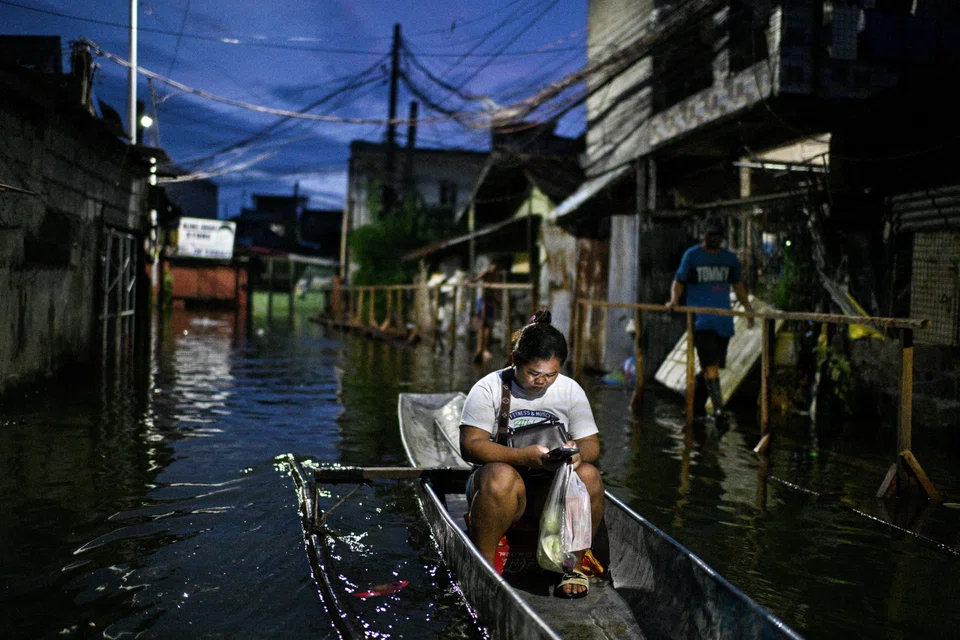
[SINGAPORE] Countries in South-east Asia are becoming increasingly concerned over the twin threats of risks posed by climate change and being caught in the middle of the US-China rivalry.
The annual State of Southeast Asia Survey published by the Iseas-Yusof Ishak Institute on Tuesday (Apr 7) showed respondents ranking climate change and extreme weather events as the top challenge (60 per cent) the region faces, versus 55.3 per cent the previous year.
This was followed by intensifying rivalry between major powers (51.7 per cent) and domestic political instability (46.1 per cent).
The institute spoke to 2,008 respondents from all Asean member states for the survey, which is in its eighth edition, between Jan 5 and Feb 20.
Respondents
More than half of the respondents held a bachelor’s degree, and 43 per cent came from the private sector, the largest affiliation group. Other respondents surveyed included those in academia, as well as regional and international organisations.
“This year’s survey underscores the growing complexity of South-east Asia’s strategic environment,” said Ng Chee Khern, director and chief executive officer of Iseas-Yusof Ishak Institute.
“The findings show a region that is navigating external pressures, internal constraints and shifting global dynamics with increasing caution.”
Concerns about climate change signal heightened public awareness of the economic, social and environmental impact of extreme weather events. Worries about climate change were particularly pronounced in the Philippines and Indonesia – two of the most exposed countries to extreme weather.
Concerns surrounding the intensifying friction between major economies ranked second at 51.7 per cent, a two-percentage-point increase from last year, and overtook worries about sluggish economic prospects in 2025.
China remains the most influential power in the region, but concerns about its growing influence remain significant.
At the same time, attitudes towards the US have become more mixed. While the US’ security and strategic role remains important to many in South-east Asia, there is rising concern over Washington’s leadership and economic policies.
Geopolitical concerns
More than half of the survey respondents (51.9 per cent) identified the leadership under US President Donald Trump as their top geopolitical concern.
At the same time, aggressive behaviour in the South China Sea ranked highly, coming in third.
China has often been accused of encroachments in the exclusive economic zones and territories of some South-east Asian states.
The survey findings showed that China remains the most influential economic and political-strategic partner, but the country’s dominance is also making the region uneasy. About 55.4 per cent of respondents said they were worried about Beijing’s growing regional influence.
If forced to choose between the two powers, 52 per cent of respondents this year said they would align with China versus 48 per cent with the US, reversing from last year’s choice of the US over China.
The report noted that the shift highlights how “finely balanced” regional sentiments remain. Respondents continued to prioritise the importance of enhancing Asean resilience and unity as a way to fend off pressure from the two major powers.
Japan remains the most trusted major power for South-east Asia, with a significant share of respondents viewing it as a responsible stakeholder that respects and champions international law.
Decoding Asia newsletter: your guide to navigating Asia in a new global order. Sign up here to get Decoding Asia newsletter. Delivered to your inbox. Free.
Copyright SPH Media. All rights reserved.
TRENDING NOW

LTA proposes combining car COE categories, adding rebate-surcharge system
StarHub to acquire MyRepublic’s mobile business amid ongoing telco consolidation

DBS, OCBC, UOB rout lops billions off STI as inflation, rate concerns spook investors

Grab CEO’s wife Chloe Tong on life with Anthony Tan and finding her purpose

