Consumer confidence in Indonesia improving as economy poised for strong recovery in 2022: panellists
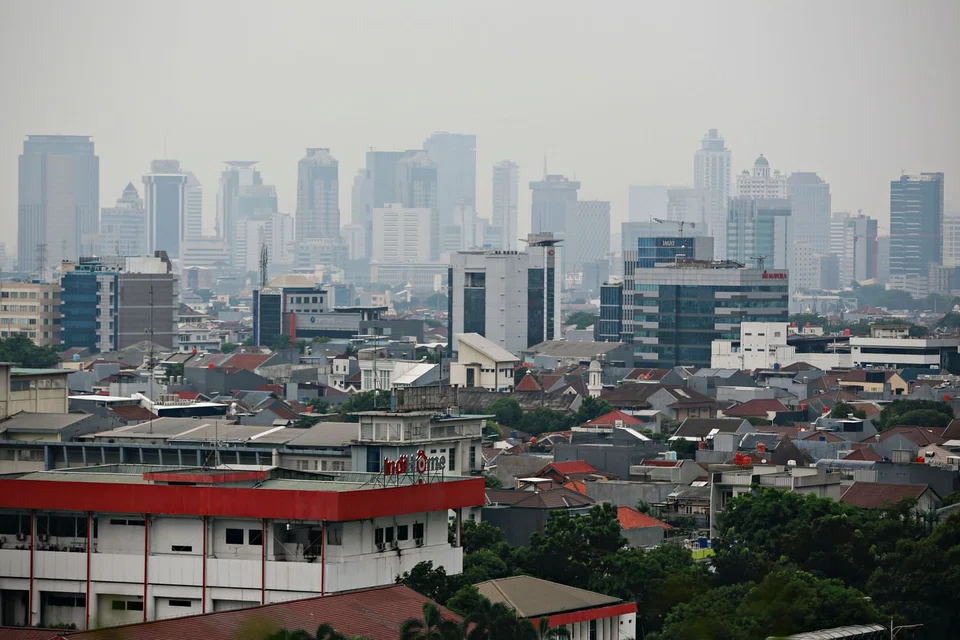
Economically and politically, Indonesia is in a strong position as the country rides out the ongoing Covid-19 pandemic and positions itself for stronger growth in 2022.
Rising commodity prices and a stable political climate have allowed the government to improve its fiscal deficit and roll out ambitious legislation to improve the investment climate, said a pair of speakers at a recent webinar.
Speaking at the Regional Outlook Forum organised by the Iseas-Yusof Ishak Institute, Dewi Fortuna Anwar and Raden Pardede stressed that complacency must not set in as serious challenges await Southeast Asia's largest economy over the next 12 months.
Anwar, a research professor at the National Research and Innovation Agency, noted how recent surveys indicated that, by and large, Indonesians are satisfied with the administration of President Joko Widodo and its handling of the pandemic.
"Because people are satisfied with Covid-19 handling, the economic recovery and political stability, the happiness index has improved," she said.
"But there is growing public dissatisfaction on political and law enforcement issues. The opposition against the Omnibus Law, for example, has been sharp and widespread within the labour movement.
"With the 2024 elections now on the horizon, there has been a narrowing space for critical voices and open debate," she added.
"There has been a weakening of political parties with the leading political parties no more than fan clubs for their founders and leaders."
With little or no real political opposition, all politics have become transactional and this will have an impact on the next election where, for the first time, Indonesia will hold simultaneous votes for the presidency, parliament and regional government leaders.
On the economic front, Pardede, who is managing partner of CReco Consulting and economic advisor to the Coordinating Minister for Economic Affairs, said that most leading indicators show improving consumer confidence and a strong recovery in 2022.
"The vaccination programme has been accelerated significantly with 2 million jabs now being administered daily," he said. "This has allowed for the normalisation of mobility within the country and that in turn has boosted economic expansion."
"Secondly, with rising commodity prices, many corporations have made huge profits while inflation has remained historically low," said Pardede.
Indonesia is also less exposed to US monetary policies as compared to the past but the country has greater exposure to China.
However, he pointed out some caveats to the "rosy" economic outlook.
"Domestically, we have rising income inequality triggered by the pandemic and the rapid digitalisation. Externally, China's economic slowdown and the emergence of Omicron could impact sustained growth," he said.
After successfully reducing the poverty rate to under 10 per cent, the number of poor people rose by 1.12 million in the year to march 2021 to reach 27.5 million overall - or 10.1 per cent of the population - due to the effects of the pandemic, according to figures from the national statics bureau.
Although improved economic activity will mitigate the rising poverty levels, lower-income groups have been severely impacted, said Pardede.
"Moving forward, we should not waste a good crisis. The old capital and skills are now obsolete, which is why its critical that the country undertakes structural reforms that lead to lower labour and infrastructure costs," he added.