Corporate Indonesia braces for inflationary headwinds
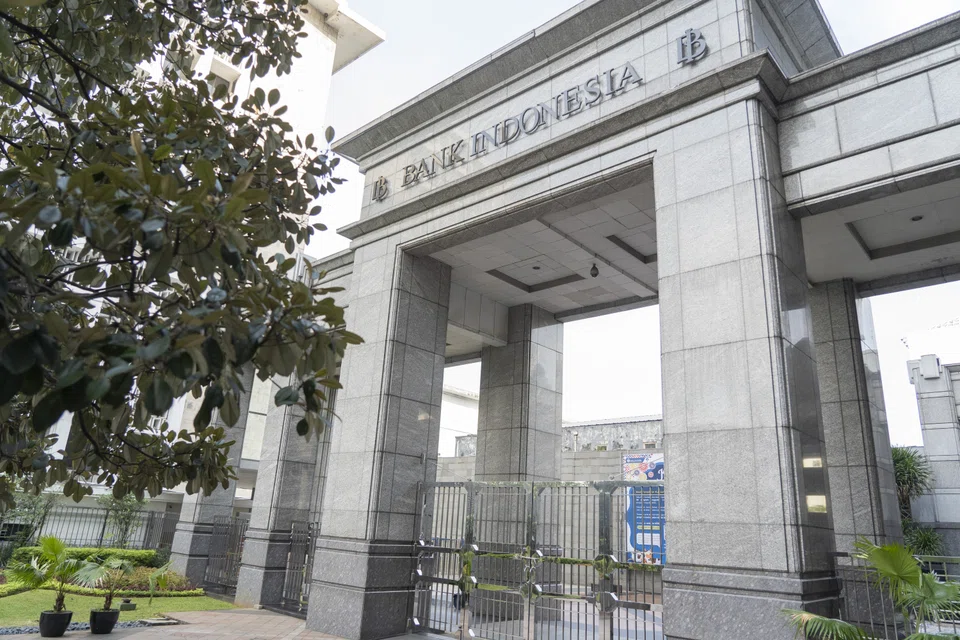
INDONESIAN corporations are bracing for a sharp hike in interest rates in the fourth quarter of this year as inflation continues to spike.
Although Bank Indonesia (BI), the country’s central bank, bucked the global trend of raising interest rates by keeping its benchmark rate unchanged a fortnight ago, economists and market analysts told The Business Times that they expect rates to rise later in the year.
Indonesia’s inflation rose to a 5-year high of 4.4 per cent in June. This has prompted concern among business leaders and market analysts as they fear that inflation may be much higher given the way it is calculated.
“Inflation will continue to rise further, especially if energy subsidies are reduced or removed,” said Enrico Tanuwidjaja, an economist at UOB Indonesia. “We forecast BI to raise rates in the coming months, by between 50 to 100 basis points, in response to higher inflation expectations and higher global yields amid aggressive monetary policy in the developed economies.”
A sharp spike in interest rates will have a knock-on effect the country’s corporate sector, especially industries such as construction, property and media, said Harry Su, the managing director of Jakarta-based financial advisory group Samuel International.
“Rising interest rates are bad for everyone, but the worst off will be discretionary consumption companies that operate in retail, auto sector and media,” he added. “The retail sector always tends to do badly in an inflationary environment, especially retailers that cater to the lower middle class.”
However, supermarket chains such as Hypermart, Hero and Ranch should do better as consumers divert spending to food and basic necessities while defensive stock such as Indofood, Kalbe Farma and Unilever also tend to benefit in such as environment.
Given the massive spending on infrastructure over the past few years, the construction sector has been one of the key beneficiaries. According to Su, many construction companies are heavily leveraged and a rise in interest rates will hit them hard.
“The net gearing in the sector is between 150 per cent to 200 per cent and many of them are experiencing delays in payments from infrastructure projects,” he said. “As such, I am telling all my clients to zero-weight the construction sector.”
Until now, Indonesia has managed to escape the worst effects of the global economic volatility and remain relatively stable, said Moeldoko, the chief of staff to President Joko Widodo.
He added that the government had made great effort to control commodity prices in the domestic market to deal with rising inflation and maintain purchasing power.
The impact of global economic instability, however will be felt later in the year, said Su from Samuel International.
“Indonesia benefitted in the first half of the year from economic reopening following the easing of Covid-19 restrictions,” he said. “The slowdown will start in the second half of the year and extend into 2023.”
South-east Asia’s largest economy has also benefitted from high global commodity prices, which has earned it critical foreign exchange and mitigated recession fears. But with a global economic recession now highly likely, commodity prices are expected to fall.
John Riady, the chief executive officer of Lippo Karawaci, one of Indonesia’s largest listed property companies, said that businesses that serve daily basic needs will continue to grow.
“Businesses that rely on capital and face competitor dynamics such as telcos will face some challenges,” he said. “Our strategy is to stay prudent and cautious when it comes to growth and capital structure. In times like these, there will also be opportunities so we are also looking for breakthroughs.”