



Covid rise tests Malaysia hospitals as Philippines reopens wards
 Add BT as a preferred source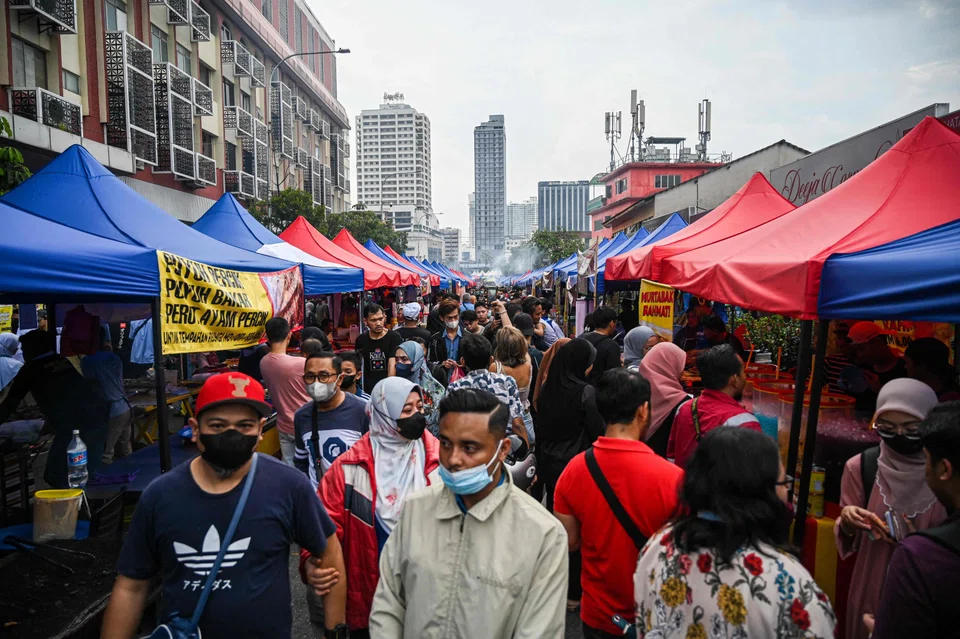
RISING Covid cases are threatening to overstrain Malaysia’s crowded hospitals and the Philippines reopened its coronavirus treatment wards amid a surge in South-east Asia, underscoring the need for governments to adjust to the disease’s ebb and flow in a world now living with the virus.
More than 70 per cent of government hospital beds in Malaysia were occupied as of Apr 29, up more than 20 percentage points from a week earlier, and authorities have appealed to anyone testing positive to abide by a mandated seven-day quarantine in an effort to stem the pressure on its medical system.
The jump is being fuelled by gatherings over the recent long Hari Raya Aidilfitri holiday, with the country also recording 20 deaths in the two weeks to April 29 – 25 per cent more fatalities than the previous 14 days.
In the neighbouring Philippines, positive rates among people tested jumped from just 7 per cent at the start of April to 17 per cent by the end of the month. Its health department has since asked hospitals to reopen Covid treatment facilities in a bid to curb the spike in cases, despite more than 80 per cent of the nation’s regular hospital beds and intensive care units sitting empty.
Cases have also risen in Vietnam, which has reimposed some pandemic-era restrictions in key cities. Indoor mask-wearing mandates have since late last month been in effect in public spaces in the capital Hanoi, while commercial hub Ho Chi Minh City has ordered masks to be worn again on school campuses.
And in Singapore, rising demand from an ageing population had by the end of last month driven up waiting times for admittance to hospital wards to seven hours – up from five hours just two weeks ago – according to its health ministry. A rise in Covid hospitalisations in the city-state only stands to fuel the strain.
The surge comes as health care systems in South-east Asia have already been under strain following years of the pandemic, so the prospect of hospital resources coming under further pressure is ringing officials’ alarm bells. One of the biggest sources of pressure is acute medical staff shortages, following Covid-era exoduses over gruelling hours and low pay. Developing nations in the region, including the Philippines – the world’s biggest exporter of nurses – are also disadvantaged in a global bidding war for doctors, nurses and other personnel by deeper-pocketed countries similarly in need of medical workers. BLOOMBERG
Decoding Asia newsletter: your guide to navigating Asia in a new global order. Sign up here to get Decoding Asia newsletter. Delivered to your inbox. Free.
Share with us your feedback on BT's products and services
TRENDING NOW

Jardine C&C selling Singapore, Malaysia dealerships to Indonesia’s Chandra Asri for US$221 million gain

When every phone becomes a satellite phone, what happens to Asia’s telcos?
Stocks to watch: Jardine Cycle & Carriage, Creative Technology, CNMC Goldmine

Malaysia’s Genting posts Q2 net loss despite 14% rise in revenue

