Damage done: Vietnam’s food-safety push creates bitter aftertaste for businesses despite U-turn
The new inspection rules, now suspended for 70 days, are jamming border crossings, disrupting supply chains and could push near-term prices up

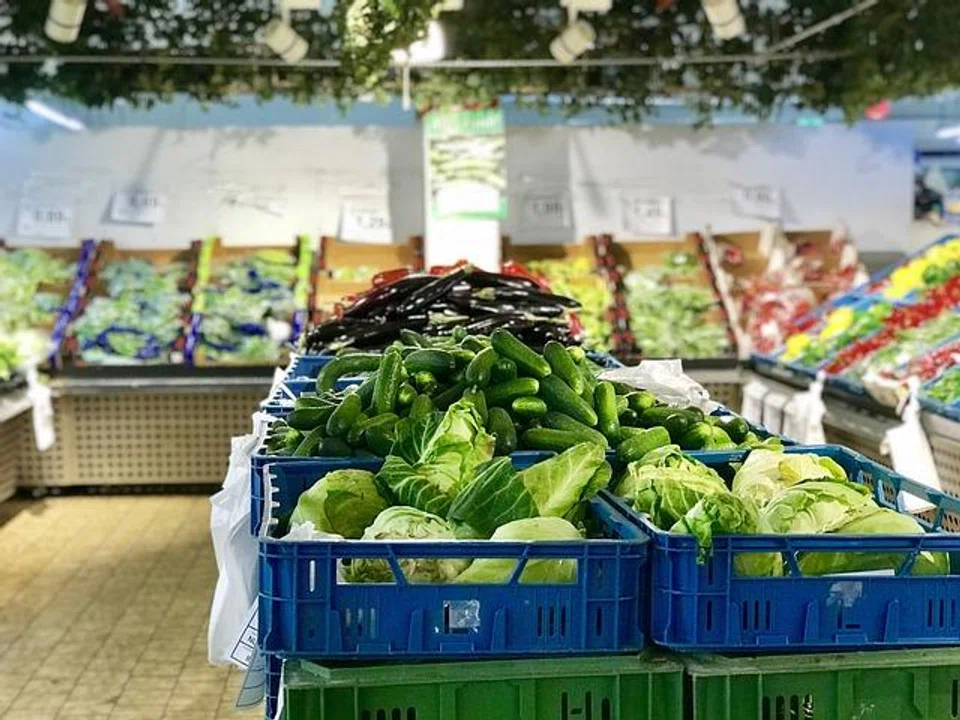
[HANOI] Vietnam’s sweeping food-safety crackdown is facing mounting backlash from businesses as abrupt new inspection rules collide with peak demand ahead of the Lunar New Year – the year’s busiest period.
Hundreds of consignments have been stranded in ports and border crossings, clogging logistics hubs and disrupting regional supply chains.
The upheaval follows the Vietnam government’s roll-out of tighter controls under new rules known as Decree 46 and Resolution 66.13; these were issued over a week ago to overhaul licensing, inspection and testing requirements for imported food and ingredients.
The impact has been swift. Between Jan 26 and 29, over 700 import consignments – totalling roughly 300,000 tonnes of mainly agricultural products such as fresh vegetables, fruits, rice, cassava and processed foods – were stuck in ports and border checkpoints nationwide, said the Ministry of Agriculture and Environment.
As at the end of Wednesday (Feb 4), thousands of containers remained backed up, said the Ho Chi Minh City Customs Department, with more than 1,800 containers stranded in Cat Lai port alone, unable to clear customs because they lacked the documentation needed for inspections.
The reforms are meant to address long-standing gaps in food-safety oversights after a string of high-profile scandals. But industry groups say that the sudden implementation, with few transitional guidelines, has triggered “widespread congestion”, “severe disruptions” and “extreme frustration” in the food and logistics sectors.
The Vietnam Logistics Business Association, in a letter sent to senior government leaders on Tuesday, urged the authorities to temporarily suspend the new rules to allow a comprehensive review and clearer implementation guidance. The association said doing this would ultimately strengthen enforcement and prevent economic disruption.
The letter added: “The difficulties are not just compliance-related; they reflect the system’s inability to absorb the new requirements in such a short timeframe.”
The Vietnam Dairy Association wrote to the authorities on Jan 30, flagging operational difficulties and urging regulators to allow inspections to continue under the previous rules – in place since 2018 – for at least six more months, until provincial agencies issue clear guidance under the new decree.

Following an outcry from businesses, the government announced on Thursday that the implementation of the new rules would be suspended until Apr 16.
The resolution, dated Feb 4, requires ministries, government agencies and People’s Committees at all levels to ensure that all necessary guidances are in place in the next 70 days.
Business fallout
Industry players said the new framework shifts the responsibility for food inspection to the provincial authorities, but shipments are being held at customs because implementation instructions are missing and because the procedures required are more complex and multi-layered.
At the same time, many products that were previously exempt now require mandatory inspection and testing, adding complexity to compliance for businesses.
The dairy businesses said in their Jan 30 letter: “Custom clearance times have been prolonged without delivering clear improvements in food safety. This has caused severe disruptions to production and business operations, while generating enormous storage and warehousing costs along with other losses.”
The logistics association’s letter added that the inspection capacity has also struggled to keep up with the surge in workload.
The new inspection procedures require additional manpower, laboratories and sampling processes, which were not in place when the rules took effect on Jan 26. Several testing agencies temporarily stopped accepting new food-safety inspection applications amid overwhelming demand.
The timing of the food-safety crackdown has compounded the strain on the system in the run-up to the Lunar New Year, locally known as Tet. It is the busiest season for food consumption in the country, where weeks-long delays can translate into missed sales, spoiled goods and cash-flow stress.
“(The situation) is particularly serious for factories operating within global production chains that use low-inventory models and rely heavily on the timely arrival of imported inputs,” the letter added.
Vu Kim Hanh, who chairs the High-Quality Vietnamese Goods Business Association, said in a Facebook post that one of the most contentious provisions in the new decree requires factories, including overseas producers, to obtain Vietnamese government-issued food-safety certificates – even if they already hold internationally recognised standards such as ISO or HACCP.
“When Vietnamese exporters have their products accepted overseas based on (these) standards, why are imports with the same internationally recognised certifications not accepted here?” she asked. “This is precisely a trade barrier and institutional bottleneck.”
Tougher stance
The tougher government stance follows a series of food-safety incidents shook public confidence and prompted political scrutiny.
The authorities have uncovered large quantities of food products contaminated or fraudulently produced. These include pork infected with African swine fever, tainted noodles and fake coffee made from soya beans – all products widely consumed by households, in some cases, for years.
At the Tuesday meeting of the National Assembly’s Standing Committee reviewing public complaints for January, lawmakers said repeated violations had eroded trust in Vietnam’s food-safety regime. While backing stricter oversight, they questioned the efficiency of rolling out new rules in practice.
Lawmakers have urged closer supervision of how regulations are drafted, stressing the need for proper impact assessments and transition provisions – especially in fast-changing sectors that directly affect consumers and businesses.
The regulatory shock and resulting uncertainty is likely to weigh on sentiment among sellers and importers, said Damien Yeo, Asia-Pacific senior analyst for consumer retail and food and drink at Fitch Solutions.
In the near term, he expects volatility in food prices, potential shortages in some categories, softer import volumes for affected products and higher logistics costs.
“If guidance remains unclear through peak demand periods, the risk is a more persistent drag on sentiment, higher food inflation and sporadic supply-chain disruption for processors and exporters,” he said.
In the longer term, the intensified crackdown on unsafe food and fraudulent goods could drive structural changes in Vietnam’s consumer market, he added.
One likely outcome is an accelerated shift from traditional wet markets and small, unbranded sellers towards modern grocery formats and organised distribution, where compliance and cold-chain handling are easier to demonstrate.
Larger importers, processors and retailers would be in a better position to absorb the higher fixed costs of doing business in this environment, with added costs coming from testing, certification and the working-capital capacity to withstand delays.
Smaller businesses and household sellers, on the other hand, could face reduced room to operate. They could well exit the affected categories and retreat further into low-visibility local trade, or become subcontractors within larger firms’ supply chains.
Yeo said: “This tends to shift bargaining power towards organised players and away from fragmented intermediaries. Greater consolidation is a plausible medium-term outcome.”
Decoding Asia newsletter: your guide to navigating Asia in a new global order. Sign up here to get Decoding Asia newsletter. Delivered to your inbox. Free.
Copyright SPH Media. All rights reserved.