



Data centres to double Malaysian electricity demand by 2050
Data centres will account for 21% of power demand by 2050, up from 11% in 2027
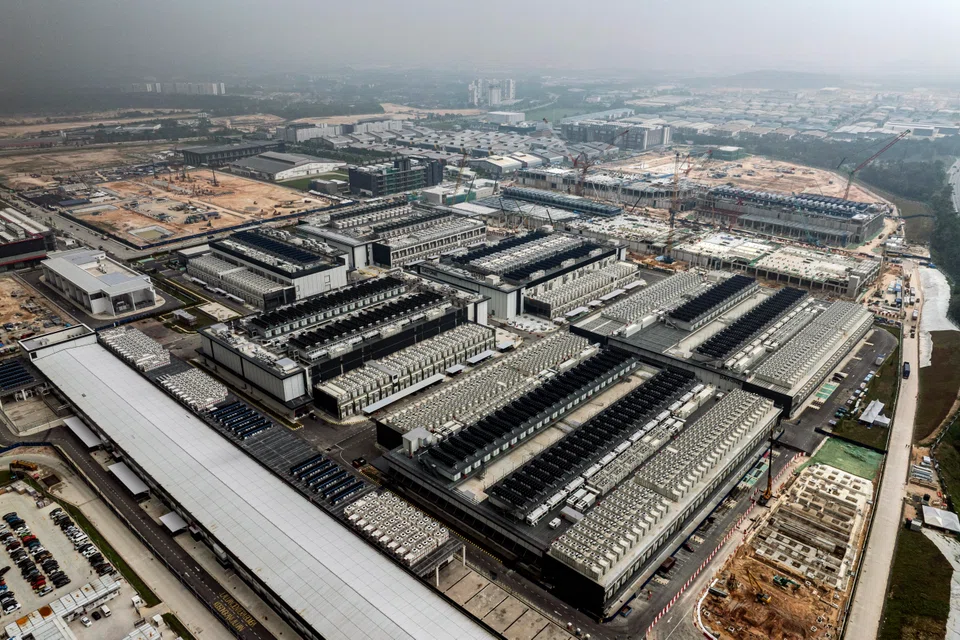
MALAYSIAN electricity demand is set to more than double through 2050 due to a rapid buildout of power-hungry data centres.
Energy needs will rise to 49.8 gigawatts by mid-century from 22.5 gigawatts in 2027, the Ministry of Energy Transition and Water Transformation said on Thursday (Nov 26).
Data centres will account for 21 per cent of power demand by 2050, up from 11 per cent in 2027, the ministry said.
The South-east Asian nation has ambitious plans to be a regional hub for artificial intelligence.
It’s drawn billions of dollars of investment from tech heavyweights including Oracle, Amazon.com and Alphabet’s Google, which plans to spend US$15 billion to expand data centre and cloud operations in Malaysia over the next two years.
Tighter US restrictions on access to technology could hinder Malaysia’s plan, however.
SEE ALSO







Concerns that Nvidia chips are being smuggled to China via South-east Asia has prompted Washington to blacklist some companies in the region, with Malaysia pledging to tell data centre operators not to host, lease space or provide services to the firms.
The country is considering replacing some of its coal fleet with nuclear power to meet the growing demand, although that isn’t slated to happen until 2040.
Malaysia announced plans this month to launch a separate wholesale electricity market for large power consumers including data centres, to safeguard supply for households and factories. BLOOMBERG
Decoding Asia newsletter: your guide to navigating Asia in a new global order. Sign up here to get Decoding Asia newsletter. Delivered to your inbox. Free.
Share with us your feedback on BT's products and services
TRENDING NOW

New rules on gross floor area to free up building space for developers

JPMorgan, BlackRock, Endowus frontrunners in scheme to lift returns on S$700 billion of CPF savings

As Indonesia picks new vice-president to succeed Gibran, investors see risks and opportunities
Real income growth slows, non-PMET unemployment up: MOM sees signs of Singapore’s labour market moderating

