



Emergency extinguisher full or empty? Crunch time for Asean’s fuel pact
This energy crisis will test whether the bloc’s emergency fuel-sharing pact is a gentleman’s agreement in disappearing ink

NOT long ago, the big story in South-east Asia’s cross-border energy space was on Singapore’s plan to import clean power from the region, including Cambodia via subsea cables. That is no longer the case.
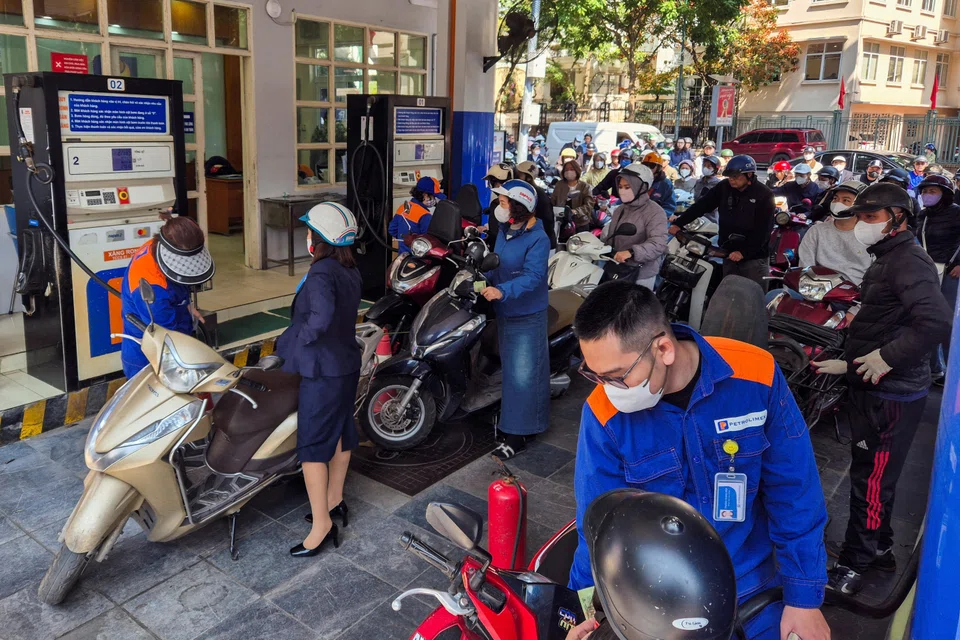
As the Middle East crisis upends global energy markets, Cambodia is now scrambling for fuel from Malaysia and Singapore while supply tightens and export curbs bite.
This is precisely the kind of situation the Asean Petroleum Security Agreement (Apsa) was designed to address. Yet, there has been little public indication that the mechanism is being invoked – a telling detail in itself.
TRENDING NOW

DBS, OCBC, UOB rout lops billions off STI as inflation, rate concerns spook investors

Grab CEO’s wife Chloe Tong on life with Anthony Tan and finding her purpose

OCBC sheds S$8 billion in value as shares close nearly 6% down; analysts cautious on banks

Deal between tycoon friends sparks scrutiny of Philippine power sector

