



Fate of troubled Malaysia Airlines hangs by a thread
Kuala Lumpur
MONEY, time and luck are what Malaysia Airlines (MAS) need at the moment to stay afloat, but realistically have very little of.
The straw that might well break the camel's back was last month's announcement by Malaysia's finance minister that the government will no longer inject cash or capital into the airline through its sole shareholder Khazanah Nasional.
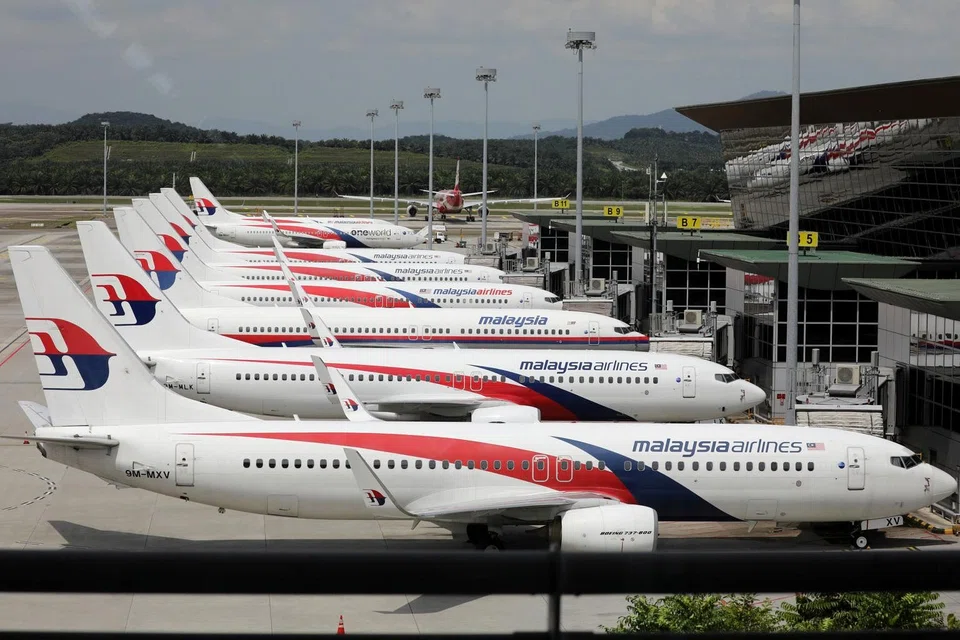
Observers wonder if the 73-year-old airline is on its last legs, with the carrier still figuring out how best to restructure its operations after being forced to ground almost all its flights due to the Covid-19 pandemic.
In a memo to staff in October, Izham Ismail, the chief executive of MAS and group CEO of parent Malaysia Aviation Group (MAG), said the negotiations with creditors and lessors are still ongoing and taking longer than the planned timeline, although the company is "gaining encouraging traction" from the process.
Before the government's decision to cut funding, MAG had said in a letter to lessors that the group is unlikely to make payments owed after November unless Khazanah provides it with more cash, according to a Reuters report.
The report added that a group of leasing companies had rejected MAS' restructuring plans, calling it "inappropriate and fatally flawed".
In a recent Berita Harian interview, Khazanah managing director Shahril Ridza Ridzuan suggested that Khazanah could end its funding for MAS and instead help its subsidiary Firefly to expand its operations to meet the connectivity needs of the country.
Should this be successful, he went so far as to say that Firefly could potentially become Malaysia's national carrier in the years to come. (As things stand, Firefly intends to resume operations in the first quarter of 2021 and will commence domestic, Asean and Asia-Pacific flights out of Penang.)
MAS has undergone its fair share of restructuring in the past, and it has a long history of suffering significant losses and getting bailed out by the government.
Just last year, the previous administration under former prime minister Mahathir Mohamad had even considered selling off or even closing down the carrier but eventually decided to keep it afloat by injecting RM6 billion (S$1.97 billion) through Khazanah.
But MAS' woes began as far back as 1994 when then-CEO Tajudin Ramli took out loans amounting to RM1.79 billion from government-linked companies to buy a controlling stake in MAS.
When the 1997 Asian financial crisis hit, it affected Mr Tajudin badly and the government eventually bought back MAS shares in 2000 at RM8 a share, reportedly 117 per cent above the market price which was only around RM3.68 per share at that time.
MAS bled RM256 billion in the fiscal year ending 1998 and by the end of 2000, it suffered further losses of RM255.7 million after tax.
The embattled carrier was able to achieve some profit in 2003, but went on to record another round of losses just two years later.
MAS reported a loss of RM1.3 billion in 2005, which prompted the appointment of Idris Jala - a former Shell senior executive - as its CEO.
Many at that time had viewed his appointment as a saving grace for the company.
With Mr Idris at the helm, MAS eventually recorded its highest profit in history - RM852 million - in 2007.
The airline continued making a profit after Mr Idris left as CEO in 2009, but went through another major decline with losses of RM2.52 billion in 2011.
The streak of bad luck followed MAS when it suffered two airline tragedies in 2014 - the unexplained disappearance of Beijing-bound MH370 and the shooting down of MH17 over eastern Ukraine.
None of the passengers and crew of both flights survived.
Both catastrophes made international headlines and further aggravated the carrier's losses and battered reputation.
Khazanah was finally forced to de-list MAS in that same year, paying RM1.38 billion to compensate minority shareholders.
In 2015, MAS welcomed its first non-Malaysian CEO, Christoph Mueller from Germany, who was known to be a turnaround specialist in the aviation sector.
His appointment was expected to help with MAS' situation, but Mr Mueller left abruptly after just a year in charge, giving the reason of "changing personal circumstances".
His successor, Peter Bellew from Ireland, also unexpectedly resigned within a year, with some parties seemingly uncomfortable with the appointment of another foreigner to head the national carrier.
Mr Izham, the current CEO, does not have an enviable task on his hands. With the end of the pandemic nowhere near in sight, international borders still largely closed, and facing the very real possibility of the restructuring talks falling through, the outlook for MAS does not look rosy at all.
Perhaps, after so many rounds of bailouts and setbacks over the last two decades, it might be an opportune time for Khazanah to pull the plug on MAS.
For now, there is little to suggest that the airline can make any significant turnaround in the coming years. It's a matter of just how much political will there is left to keep the country's flag carrier alive.
TRENDING NOW

OCBC mobile, online banking services restored after Friday afternoon disruption

SGX CEO Loh Boon Chye to step down; succession planning under way

Waymo founder predicts ‘landslide’ robotaxi adoption in Singapore, driven by high car costs

Vietnam’s northern provinces, not Hanoi or Ho Chi Minh City, are powering near 10% GDP growth

